
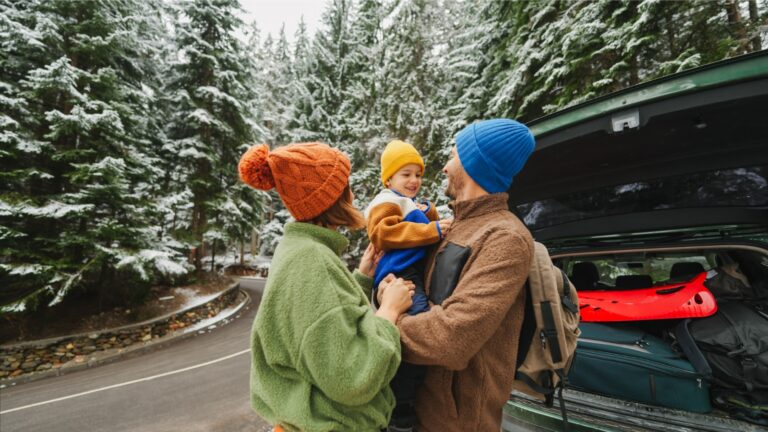
Mastering Your Winter Road Trip: A Guide to Smooth Travels
Plan Your Winter Journey Smartly: Weather, Routes, and Alternatives
Before embarking on your winter adventure, consult official state DOT websites and highway apps for up-to-the-minute road conditions, closures, and chain requirements. Pair this with a detailed weather forecast to monitor precipitation and wind patterns, allowing you to adjust your departure time if necessary. Factor in extra travel time by adding 25–35% to your trip duration, particularly in snowy regions. Identify safe rest stops every 60–90 miles for potential breaks to refuel and warm up. Make sure you have an offline map for your primary and secondary routes, and share your itinerary with a trusted contact, including your vehicle details and emergency numbers.
Maximize Safety with the Right Traction: Tires, Chains, and Pressure
Winter tires, made from softer rubber and deeper treads, remain flexible in cold temperatures—unlike all-season tires, which stiffen and extend braking distances. For mountain travel requiring traction aids, make sure your chains or cables match your tire’s specifications and practice installation before your trip. Check your tire tread depth—aim for 6/32 inch or more for optimal grip. Remember, cold air reduces tire pressure, decreasing approximately one psi for every 10° F drop. Inflate tires to the recommended level found on the driver’s door placard, not the tire sidewall. Don’t overlook your spare!
Enhance Visibility for Safe Travel
Switch to winter-grade washer fluid with de-icing properties that match expected temperatures, preventing freezing in reservoir tanks. Replace worn wiper blades with winter versions that resist ice accumulation. Adjust your headlights for proper aim by parking 25 feet from a wall and aligning the beam cutoff just below marked tape indicating your light’s center. Carry reflective triangles to maintain visibility in emergencies, avoiding the risk of flares. Position them at varying distances behind your vehicle for maximum effect.
Prepare Your Winter Emergency Kit
Equip your vehicle with essential supplies: a warm blanket or sleeping bag for each passenger, a folding shovel, and sand or non-clumping kitty litter for added wheel traction. Include booster cables, a portable jump starter, a compact air compressor, non-perishable snacks, water, a flashlight, and spare batteries. A phone charger, multi-tool, first-aid kit, hand warmers, and a brightly colored hat round out your essentials. Add a paper map as a navigator’s ultimate backup if technology fails.
Insurance Essentials: Reviewing Your Coverage
Prior to departure, make sure you’ve reviewed your towing and roadside assistance coverage. Understand any restrictions on mileage or services like winching. If a breakdown occurs, rental reimbursement could be vital. Comprehensive coverage protects against hail, falling debris, and more, while separate glass policies can minimize windshield repair costs. After any incident, move safely off the road, document the scene, exchange information, and consult your insurance provider for further steps.
Get Started with The Southern Agency
Before your journey begins, it’s wise to confirm that your policy supports your travel plans and regional risks. At The Southern Agency, we provide personalized support to review roadside, rental, and comprehensive options, helping provide confidence from start to finish. Reach out to The Southern Agency to discuss your insurance needs today.
Let The Southern Agency be your partner on this journey. Get Started Today with The Southern Agency for a travel experience protected by the coverage you trust.