
Understanding and Managing Hydroplaning Risks
Rainy conditions can strike at any time of the year, turning roads slick and creating potential hazards. Among these challenges is the phenomenon of hydroplaning. Knowing how it happens and how to respond can make a big difference when you’re on the road.
Defining Hydroplaning
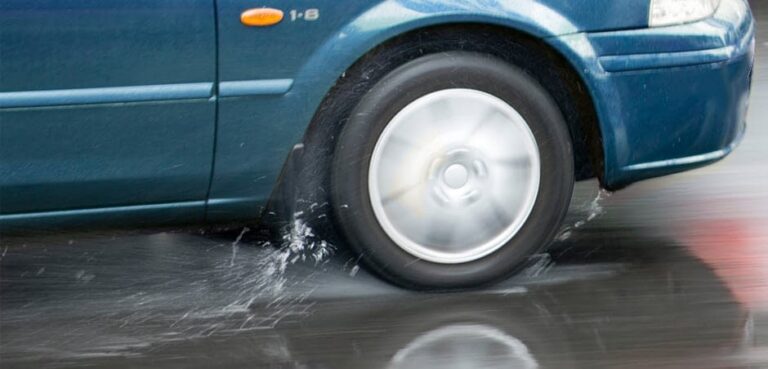
Hydroplaning occurs when a car slides uncontrollably on a wet surface. This happens when water on the pavement isn’t displaced effectively by the tires, causing the car to lift atop a thin water film. This loss of friction results in minimal control over your vehicle.
Reacting to Hydroplaning
If hydroplaning starts, stay composed. Reduce pressure on the accelerator and grip the steering wheel steadily. Avoid the impulse to brake harshly or make sharp turns. Should your vehicle begin to skid, gently steer in the direction of the slide to realign the tires with your intended path, facilitating smoother control. Vehicles equipped with anti-lock brakes feature more stability during sudden stops, but if not equipped, gently pump the brakes. As traction returns, continue with keen awareness and careful maneuvering. If necessary, take a brief pause by stopping safely away from traffic to regain composure.
Preventing Hydroplaning
Wet roads increase the likelihood of hydroplaning, particularly in the early minutes of rainfall. Here’s how you can minimize the risk:
- Moderate your speed and practice caution on slick surfaces.
- Avoid standing water and puddles; follow tracks left by preceding vehicles.
- Turn off cruise control to maintain sharper reflexes during sudden maneuvers.
- Approach curves and intersections with careful, smooth steering and braking.
Car Preparation for Wet Weather
Ensuring your vehicle is equipped for rainy conditions can also enhance safety.
- Examine tire suitability and wet-weather performance ratings using resources like TireRack.com.
- Check tread depth regularly; insufficient tread can be hazardous.
- Maintain proper tire pressure; inspect monthly for accuracy.
- Ensure your braking system operates effectively, especially during wet stops.
- Improve visibility with water-repelling windshield treatments and functional wipers.
- Keep headlights and defrosters in good order for better vision in rain.
- Include an emergency kit in your vehicle for unforeseen situations.
Your car, cherished and essential, deserves protection with the coverage it needs. Get Started Today with The Southern Agency to explore various policy options to safeguard your journeys, ensuring your vehicle is always in the best hands. Visit The Southern Agency for more information and support.
Need guidance on your auto coverage? Reach out to The Southern Agency to have a comprehensive conversation about securing your vehicle and visits online at The Southern Agency’s website.