
Fire Safety at Work: Protecting Property, People, and Business Operations
A workplace fire can damage more than a building or its contents. It can interrupt operations, affect employees, delay service to customers, and create unexpected expenses while the business works to reopen. Fire prevention is therefore an important part of everyday business planning, not just an annual checklist item.
Every workplace has its own mix of equipment, materials, and daily activities. A restaurant kitchen faces different concerns than an office, warehouse, repair shop, or retail store. Still, most businesses can reduce avoidable fire risks by identifying hazards early, maintaining protective equipment, and giving employees clear instructions for an emergency.
Common Fire Hazards in Business Settings
Some fire hazards occur in nearly every type of workplace. Electrical problems are a frequent concern, particularly where employees rely on power strips, extension cords, computers, machinery, or older equipment. Overloaded circuits, damaged cords, loose connections, and equipment that overheats can create dangerous conditions. Regular inspections and prompt repairs can help identify problems before they become more serious.
Storage practices also matter. Boxes, paper products, packing materials, and other combustible items can add fuel to a fire. When materials are stacked too high, they may interfere with sprinkler operation or block access to exits, electrical panels, and fire extinguishers. A crowded storage area can also make it harder for people to leave the building quickly.
Businesses should also pay close attention to materials that can ignite easily. Chemicals, fuels, cleaning products, paints, and similar items may require particular handling and storage practices. Product labels and safety information can provide important direction on where and how these materials should be kept.
- Electrical equipment: Watch for worn cords, overloaded outlets, outdated wiring, and machinery that is not receiving routine maintenance.
- Heating sources: Portable heaters, warehouse heaters, and equipment used in seasonal work areas need clear space around them and regular review.
- Cooking equipment: Fryers, grills, ovens, and grease-producing appliances can create distinct fire concerns in food service operations.
- Combustible storage: Packaging, paper goods, inventory, and waste materials should not block exits, sprinklers, or access to safety equipment.
Prevention Depends on Routine, Not a One-Time Review
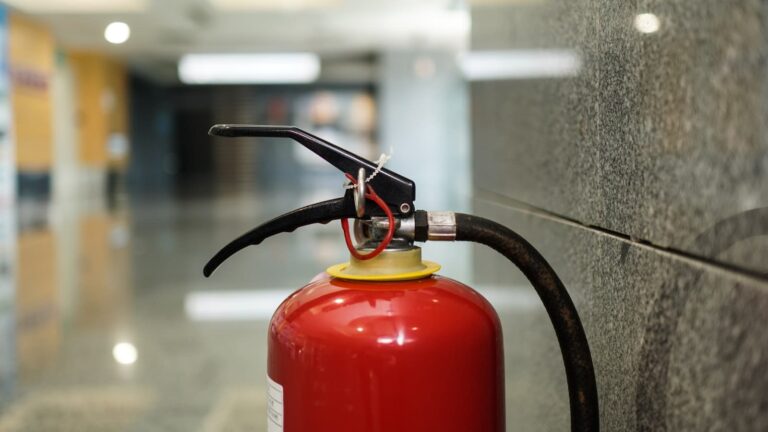
Fire safety works best when it is built into normal workplace routines. A business may have alarms, extinguishers, sprinklers, and marked exits, but those safeguards need inspection and maintenance to remain useful. A fire extinguisher that is inaccessible or overdue for service may not be available when it is needed. Likewise, a blocked exit may turn an otherwise manageable emergency into a more dangerous situation.
Set a regular schedule for checking fire alarms, sprinkler systems, extinguishers, emergency lighting, and other building safety features. The appropriate schedule may depend on the equipment, the building, and applicable local requirements. Keeping records of inspections, service visits, repairs, and employee training can help a business track what has been completed and identify items that still need attention.
Evacuation planning deserves the same attention as physical equipment. Employees should know the available exit routes, where to gather after leaving the building, and who is responsible for communicating important information during an emergency. New employees may not know the plan unless it is included in onboarding and revisited periodically. A short drill or discussion can reveal practical issues, such as a route that is difficult to use during a busy shift.
Fire Risks Can Vary by Industry
Understanding how a business operates is an important part of fire prevention. The most relevant risks are not identical across industries, so a general safety plan should be paired with attention to the work being performed on site.
Restaurants and Food Service Businesses
Commercial kitchens often use high-heat cooking equipment and produce grease buildup over time. Fryers, grills, ovens, and ventilation systems may need regular cleaning and maintenance. Cooking areas can also require specialized fire suppression equipment. Staff members should understand kitchen safety procedures, including how to respond to a small incident without placing themselves in danger.
Warehouses, Manufacturing, and Repair Operations
Industrial and storage environments may contain large quantities of packaging, inventory, chemicals, machinery, or fuel. Some operations also create dust that can become a concern when it accumulates around equipment or in work areas. Clear housekeeping practices, proper material storage, and equipment maintenance can help reduce these exposures. In a larger facility, keeping aisles, loading areas, and exits unobstructed is especially important.
Office and Retail Environments
Offices and retail spaces may have fewer high-heat processes, but they still face risks from electrical systems, charging devices, breakroom appliances, storage rooms, and seasonal decorations. An extension cord used as a long-term substitute for proper wiring or a storage closet packed around electrical equipment can create avoidable issues. Basic inspections and clear evacuation paths remain valuable in lower-risk settings.
How Commercial Property Coverage May Help After a Fire
Fire prevention can reduce the chance of a loss, but it cannot remove every possibility. Commercial property insurance is generally designed to help a business recover from covered property damage, subject to the policy’s terms, conditions, limits, and exclusions. Knowing how the policy is structured before a loss occurs can make it easier to recognize potential gaps in protection.
Building coverage may help pay for repair or rebuilding costs after covered damage to a structure the business owns. A tenant may not need coverage for the full building itself, but may have responsibility for improvements made to the rented space, depending on the lease and policy.
Business personal property coverage may apply to owned items used in the business, such as furniture, computers, tools, equipment, supplies, and inventory. The value of these items can change over time. For example, a growing retailer may add inventory, while a contractor may purchase new tools and machinery. Older values on file may no longer reflect what the business has at risk.
Business income coverage may help with lost income and certain continuing expenses when covered property damage forces a temporary suspension of operations. This coverage can be particularly important when a fire leaves a business unable to use its normal location for a period of time.
Extra expense coverage may help with certain additional costs incurred to continue operating or resume operations after a covered loss. A business might need to use temporary space, rent equipment, or take other steps to reduce interruption. Whether a particular expense qualifies depends on the policy language and the circumstances of the loss.
Review Property Values as the Business Changes
Insurance limits should be reviewed as a business evolves. A policy that made sense when a company had one location, limited equipment, or lower inventory may need reconsideration after expansion. Renovations, new machinery, improved technology, additional stock, and leased space improvements can all affect the amount of property at risk.
It can be useful to keep an organized inventory of major equipment, furniture, inventory categories, and building improvements. Photos, receipts, purchase records, and updated asset lists can help a business understand what it owns and support a more meaningful coverage discussion. This does not determine how a claim will be handled, but it can make it easier to identify changes that deserve attention.
Use Local Inspections and Internal Safety Planning Together
Fire departments, fire marshals, and licensed inspectors may be able to identify hazards that are easy to overlook during a busy workday. Their observations can complement internal safety efforts, particularly for businesses with commercial kitchens, industrial equipment, large storage areas, or materials that require careful handling. Addressing identified issues promptly can improve day-to-day safety and demonstrate that the business takes prevention seriously.
Fire safety also belongs within the company’s broader safety program. If a business already discusses workplace injuries, emergency response, housekeeping, or equipment operation, fire prevention can be included in the same training and inspection process. This approach keeps the subject visible throughout the year instead of treating it as a single seasonal task.
Make an Annual Fire Safety Review Part of Business Planning
October can serve as a useful reminder to review fire prevention procedures, but a review is valuable whenever the business changes. Opening a new location, adding equipment, renovating a space, expanding inventory, or changing operations are all good reasons to revisit safety practices and insurance limits. A practical review can include exit routes, equipment maintenance, storage practices, employee training, and the current value of business property.
Strong fire safety combines prevention, preparation, and a clear understanding of the coverage that may be available after a covered loss. For help reviewing commercial property coverage in relation to your business operations, contact The Southern Agency.