The Impact of Your Roof on Home Insurance Costs
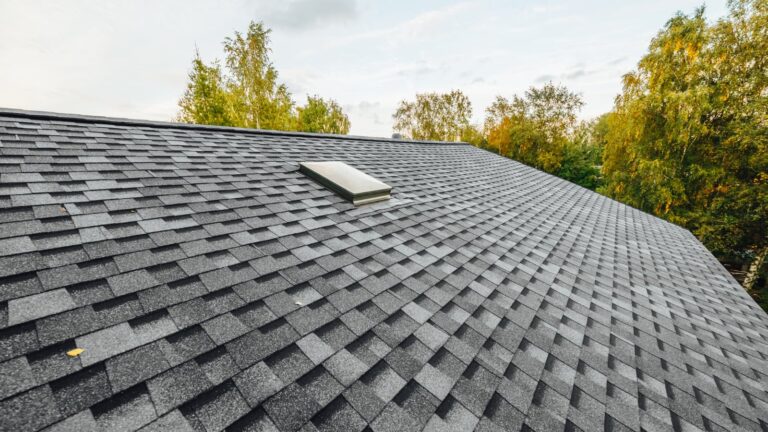
Providing a secure home for your family often begins with having a solid roof overhead. This essential part of your home shields your loved ones and belongings from potential harm. The state of your roof can significantly influence your home insurance, affecting both premiums and the willingness of providers to offer coverage. Insurance companies evaluate factors such as the roof’s age, materials, condition, and local climate when determining your policy details.
Roof Age and Its Influence on Costs
One critical aspect considered by insurers is the age of your roof. Older roofs face higher risks of developing issues like leaks, missing granules, storm damage, or structural failures during severe weather. As the potential for claims increases, insurance costs may likewise escalate. Sometimes, older roofs may prompt additional scrutiny, necessitating inspections before coverage is granted or renewed. Some insurance providers might limit coverage, opting to calculate payouts based on actual cash value (ACV) rather than replacement cost (RC), which could result in additional expenses for homeowners after depreciation.
The Significance of Roofing Materials
The type of material used for your roof influences its lifespan, repair costs, and resistance to weather conditions. Asphalt shingles, common due to their affordability, may vary in durability against wind and hail. In contrast, metal roofs are known for their longevity and fire resistance but can be costly to repair. Tile and slate are durable choices, though heavier and more expensive. Impact-resistant materials may offer advantages in storm-prone regions as insurers might perceive fewer claims. However, a tougher roof alone doesn’t automatically lead to reduced premiums, as factors such as location and insurer policies are also crucial.
Importance of Roof Condition and Maintenance
Beyond age and materials, the current state of your roof is crucial. Insurers assess issues like missing shingles, curling, soft spots, stains, existing leaks, sagging, or previous patchwork. These signs can indicate a higher likelihood of roof failure or water damage. Poor upkeep might impact an insurer’s evaluation of risk, as neglected wear can suggest future problems. Routine maintenance and small repairs can help prevent major issues and potentially improve your insurance accessibility.
Weather Risks and Geographic Location
The area where you live plays a significant role in determining roof-related insurance expenses. Homes in regions prone to hail might encounter frequent shingle damage and claims, while coastal areas face risks from hurricanes and storms. In places where wildfires are common, resistant roofing materials and conditions take precedence. Areas with severe weather tend to experience increased roof-related claims, influencing local insurance costs.
Partner With The Southern Agency
When exploring insurance options, it’s vital to gather all maintenance records, inspection details, and receipts for roof work. If your roof is new, retain documentation showcasing installation dates and materials, as this can demonstrate the home’s upkeep to insurers. Reviewing your insurance needs beforehand helps identify any concerns related to your roof’s age, condition, or materials. At The Southern Agency, our team is ready to assist you in navigating local homeowners’ insurance options. Understanding how your roof affects your policy options is our specialty.
Reach out to The Southern Agency today to explore coverage solutions tailored to your needs. Visit The Southern Agency for more information or call us at 800-777-1872. Start securing your future with us.