
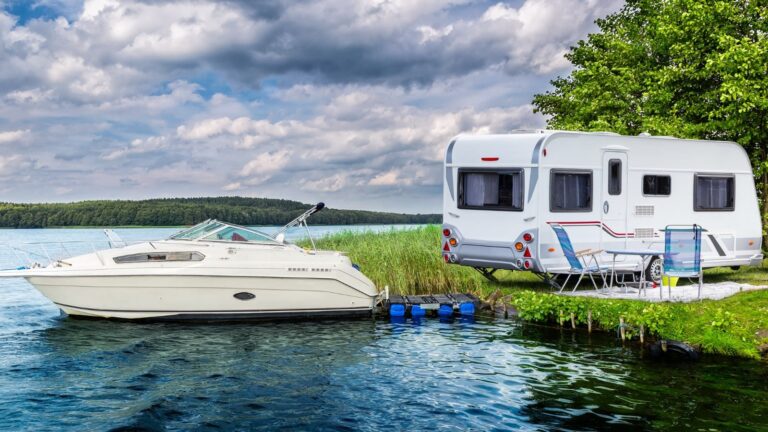
Why Recreational Vehicles Often Need Their Own Insurance
Boats, RVs, ATVs, dirt bikes, and similar vehicles can bring a great deal of enjoyment, but they also create risks that may not fit neatly into a standard home or auto policy. Many owners assume an existing policy will cover a recreational vehicle wherever it is used. In practice, coverage may be limited, unavailable, or restricted to certain situations.
A separate recreational vehicle policy can help address the vehicle itself, injuries to other people, damage to someone else’s property, and other expenses connected with an accident or loss. The details depend on the type of vehicle, how it is used, where it is stored, and the policy selected.
Boat Insurance: Protection on and Around the Water
Boat insurance is designed for watercraft ranging from small fishing boats to larger motorized vessels and personal watercraft. A homeowners policy may provide limited protection for certain small boats or equipment kept at home, but that is not the same as broad coverage for operating a boat on the water.
A boat policy may include physical damage coverage for the boat, which can help after a covered collision, theft, fire, weather event, or other covered cause of loss. It may also include liability coverage if the boat owner is legally responsible for another person’s injury or for damage to another boat, dock, or other property. Policy terms, deductibles, exclusions, navigation areas, and available coverages vary.
Common Boat Coverage Considerations
- Physical damage: This may help repair or replace the insured watercraft after a covered loss. The value, age, motor size, and type of boat can affect coverage choices.
- Liability coverage: Boating accidents can involve passengers, swimmers, docks, other vessels, or shoreline property. Liability protection may help with covered claims arising from injury or property damage for which the insured is responsible.
- Fuel spill liability: Some policies may address liability related to a fuel spill. This can be an important consideration for owners of powered boats.
- Personal property: Fishing gear, safety equipment, electronics, and other belongings carried on board may have limited protection under some policies. Review how property on the boat is treated.
- Towing and uninsured watercraft coverage: Depending on the policy, assistance for an on-water breakdown or protection involving an uninsured boater may be available.
The way a boat is used matters. A personal watercraft used near a busy launch area presents different concerns than a pontoon boat used for family outings or a larger vessel taken farther from shore. Owners should also consider where the boat is stored, whether it is trailered, and who is permitted to operate it.
RV Insurance Depends on the Type of RV and How You Use It
Recreational vehicles include motorhomes, camper vans, travel trailers, fifth wheels, and other units built for travel or temporary living. Because these vehicles vary so widely, their insurance needs can differ as well.
A motorized RV is generally insured through an auto-style policy because it is driven on public roads. That policy may include liability coverage, collision coverage for damage from an impact, and comprehensive coverage for certain non-collision losses such as theft, fire, or weather damage. The availability and scope of protection depend on the policy and the circumstances of the loss.
Towable RVs create a different set of questions. An auto policy for the vehicle pulling the trailer may provide some limited protection while the trailer is attached, but that may not fully address damage to the trailer, its contents, or losses that occur while it is parked. A separate RV policy may offer broader options for the trailer and its equipment.
When RV Use Changes the Coverage Discussion
An RV used for occasional weekend trips may be viewed differently from one used for extended travel or as a primary residence. Some RV policies offer options sometimes called full-timer coverage for people who live in their RV on a long-term basis. This type of protection may address liability situations more similar to those faced by a homeowner or renter, subject to policy language.
It is also useful to look at attached awnings, permanently installed equipment, camping gear, and personal belongings inside the RV. These items may have their own limits or conditions. For example, an owner who adds solar equipment, a satellite system, or other upgrades should review whether the policy reflects those additions.
ATV and Off-Road Vehicle Coverage Addresses Different Risks
ATVs, side-by-sides, dirt bikes, and other off-road vehicles are commonly used on trails, private land, parks, and recreational areas. Standard auto insurance often does not extend to these vehicles, particularly when they are operated off public roads. Home insurance may also have exclusions or narrow limits for motorized vehicles.
A dedicated off-road vehicle policy can include physical damage coverage and liability protection. Physical damage coverage may help when an insured vehicle is damaged in a covered accident, stolen, or affected by another covered event. Liability coverage can be important if a rider causes injury to another person or damages someone else’s vehicle, fencing, land, or other property.
Liability concerns can grow when riders share trails or ride near other people. A collision with another rider, a passenger injury, or damage caused while loading or transporting the vehicle may create expenses that are difficult to handle out of pocket. The facts of the incident and the policy terms affect whether and how coverage may apply.
Why Existing Home and Auto Policies May Leave Gaps
Home and auto insurance policies are built around specific types of property and use. A home policy primarily addresses a residence, personal belongings, and personal liability. An auto policy focuses on listed road vehicles. Recreational vehicles can fall outside those core purposes because they are used in different places and create different types of loss exposure.
For instance, a small item stored in a garage might receive some protection as personal property, while the same item can be treated differently once it is being used away from home. Likewise, a trailer may have limited coverage while attached to a towing vehicle, yet need separate protection for damage, theft, or liability in other circumstances.
Reading only the declarations page is not enough to answer every question. It identifies major policy choices, but exclusions, definitions, deductibles, territorial limits, and special conditions may appear elsewhere in the policy. Reviewing those details before an accident is usually far easier than discovering a gap after a loss.
Questions to Consider Before Choosing Coverage
A useful review starts with the vehicle and then looks at how it fits into everyday life. The make, model, value, location, storage arrangements, and frequency of use can all affect the discussion. So can the people who may drive, ride, tow, or operate the vehicle.
- Is the boat, RV, or off-road vehicle listed on a policy intended for that type of vehicle?
- Does the policy address both damage to the vehicle and liability to others?
- Are accessories, equipment, and belongings stored in or on the vehicle handled appropriately?
- Are there restrictions related to where the vehicle is used, kept, or transported?
- Would a parked trailer, stored boat, or off-road vehicle have protection under the current policy?
- Does the amount of liability coverage align with the potential consequences of an injury or property damage claim?
Consider a family that owns a travel trailer for several trips each year. Their towing vehicle may provide some protection while the trailer is connected, but the family may still need to review coverage for the trailer while parked at a campground, its attached equipment, and the belongings kept inside. The purpose is not to assume a gap exists, but to understand what the policy does and does not address.
Keep Coverage Current as Your Recreation Changes
Recreational vehicle needs can change over time. Buying a larger boat, adding equipment to an RV, moving an ATV to a new storage location, or using an RV for longer trips can affect the coverage conversation. Selling one vehicle and purchasing another is also a good time to review values, deductibles, liability limits, and available optional coverages.
Dedicated coverage does not remove every risk, and no policy covers every situation. Still, a clear understanding of the policy can help owners make informed decisions about the vehicles they enjoy. For help reviewing boat, RV, or off-road vehicle insurance options, contact The Southern Agency.