
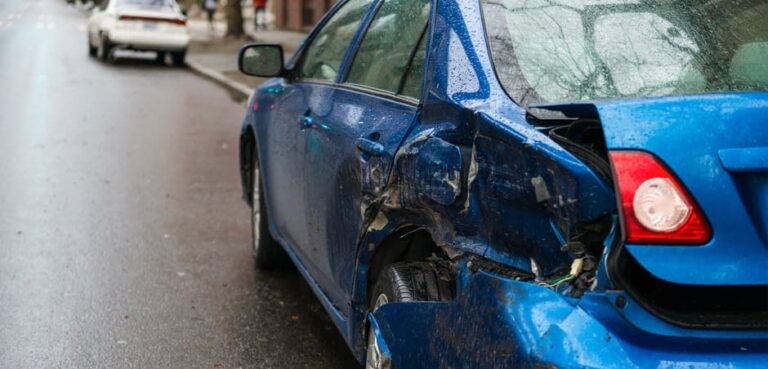
Steps to Take After a Hit-and-Run Accident
A hit-and-run happens when a driver strikes another vehicle, person, or property and leaves the scene without providing required information. It can involve a serious crash, a sideswipe in traffic, or damage in a parking lot. The sudden departure can leave the other driver feeling shaken and unsure what to do next.
Your first priorities are safety, medical needs, and preserving useful information. A calm, organized response can help law enforcement investigate the incident and give your insurance company a clearer account of what occurred.
Put Safety Before Vehicle Damage
After an impact, take a moment to check yourself and your passengers for injuries. If anyone may be hurt, call 911 or request medical help immediately. Injuries are not always obvious in the first few minutes after a collision, particularly when adrenaline is high.
If your vehicle is creating a hazard and can be moved safely, pull it out of traffic to a nearby safe location. Turn on hazard lights if available. Do not attempt to follow the departing vehicle. Chasing another driver may create another dangerous situation, make it harder to document the original crash, and could expose you to legal consequences of your own.
Record What You Remember Right Away
Details can fade quickly after a stressful event. As soon as you are in a safe place, write down or record everything you can recall about the other vehicle and the collision. Even incomplete information can be useful to police and may help connect the vehicle to other reports.
- Vehicle description: Note the color, make, model, body style, and any visible damage, decals, or unusual features.
- License plate information: Record the full plate if possible, but partial numbers, letters, or the issuing state may still be helpful.
- Direction of travel: Identify the road, lane, intersection, or parking-lot exit the vehicle used when it left.
- Crash details: Write down the time, location, weather, traffic conditions, point of impact, and how the vehicles were moving.
- Driver description: If you saw the driver, note only what you can remember confidently, such as clothing or general appearance.
A brief note made at the scene is often more reliable than trying to reconstruct events later. Avoid guessing about facts you did not observe. A clear account of what you saw is more useful than a detailed but uncertain one.
Look for Witnesses and Physical Evidence
Nearby drivers, pedestrians, store employees, or residents may have seen the collision or noticed the vehicle leaving. If witnesses are willing, ask for their names and a way for police or an insurer to reach them. They may have noticed a plate number, the direction of travel, or a detail that you missed.
Photographs can also preserve evidence that may change once vehicles are moved or repairs begin. Take wide photos showing the vehicle’s position and the surrounding area, then take closer images of dents, broken parts, scraped paint, debris, tire marks, and other visible damage. Photograph the roadway, signs, and intersections when they help show where the incident occurred.
Paint transfer can be particularly relevant in a hit-and-run. For example, blue paint on the side of a white vehicle may help support the report of contact with a blue vehicle. Do not disturb evidence unnecessarily, but document it clearly before cleaning or repairing the vehicle.
Report the Incident to Law Enforcement
Call the police from the scene when emergency assistance is needed or when circumstances call for an officer. Reporting requirements can differ by state and may depend on the location of the crash, injuries, and the extent of damage. A police report creates an official record of the event and gives officers an opportunity to investigate.
Provide a factual statement, share photographs and witness information, and ask how to obtain the report number or a copy of the report when it becomes available. A report does not by itself decide insurance coverage or fault, but it can be an important part of the claim file.
In some cases, officers may locate the other driver. A driver might leave because they do not have insurance, are impaired, are using a vehicle they do not own, or are attempting to avoid another legal problem. Whatever the reason, avoid confronting a suspected driver yourself. Leave identification and investigation to law enforcement.
Notify Your Insurance Company Promptly
Report the accident to your insurance company as soon as practical. Provide the date, time, location, description of damage, police report information, photographs, and witness details. Keep copies of any documents, repair estimates, medical records, or correspondence related to the event.
The company may explain the claim process, arrange an inspection, and review the coverages on your policy. A hit-and-run claim can be more complicated than a typical accident because the other driver may never be identified. Prompt documentation helps establish what happened and may reduce delays caused by missing information.
How Auto Coverage May Apply to a Hit-and-Run
Whether your policy may help after a hit-and-run depends on the coverage you selected, the state where the loss occurred, and the facts of the incident. If authorities identify the at-fault driver and that driver has applicable liability insurance, that insurance may be involved. When the driver cannot be found, your own policy may be the primary source of potential coverage.
Collision Coverage for Vehicle Damage
Collision coverage is designed for damage to your vehicle caused by an impact with another vehicle or object, subject to policy terms. It may apply when an unidentified driver hits your car. A collision claim commonly involves a deductible, which is the amount you pay before the policy contributes to covered repair or replacement costs.
For instance, if a parked car is damaged by a driver who leaves without leaving information, collision coverage may be relevant if it is included on the policy. The claim outcome will depend on the policy and the circumstances, but this coverage can be important when there is no identifiable other driver’s insurer to pursue.
Uninsured Motorist Property Damage
Uninsured motorist property damage coverage may help with vehicle damage caused by a driver who has no insurance or, in certain situations, a driver who cannot be identified. Rules and availability vary considerably by state. Some states do not offer this coverage, while others have particular requirements for its use in a hit-and-run claim.
It is important to review how this coverage works where you live rather than assuming it works the same way in every state. In places where uninsured motorist property damage is unavailable or does not apply, collision coverage may be the relevant option for damage to your vehicle.
Uninsured Motorist Bodily Injury Coverage
Uninsured motorist bodily injury coverage may be relevant if you or your passengers are injured by an uninsured or unidentified driver. Depending on the policy and state rules, it may address certain injury-related losses, such as medical expenses or lost income. It may also be subject to conditions, limits, and documentation requirements.
Some states require this coverage unless it is declined in a permitted way, while other states handle injury claims through no-fault insurance rules. In a no-fault system, a person may generally look first to their own applicable coverage for certain injury expenses regardless of who caused the accident. Those rules do not mean every expense or every type of claim is handled in the same manner, so reviewing your policy is important.
Review Your Auto Policy Before an Accident Happens
A hit-and-run is a useful reminder to look beyond the liability coverage required to drive. Liability coverage generally addresses injury or damage you cause to others; it does not necessarily pay for damage to your own vehicle or injuries caused by an uninsured driver. Collision and uninsured motorist coverages serve different purposes and may fill different gaps.
When reviewing a policy, consider the vehicles you own, whether you rely on them for work or family responsibilities, the deductible you could manage after a loss, and the coverage options available in your state. Also check that your insurer has current contact information and that you know where to find your proof of insurance and policy details.
A Clear Plan Can Make a Difficult Event More Manageable
No one expects another driver to leave after a collision, but knowing the basic steps can help you respond with focus: get to safety, seek medical help when needed, document the scene, identify witnesses, report the crash, and review your available coverage. Keeping a phone charged and having a simple accident checklist in your vehicle can make those first moments less overwhelming.
Understanding how your policy may respond before a loss gives you more confidence after an unexpected crash. For help reviewing auto coverage options and discussing hit-and-run concerns, contact The Southern Agency.