When Business Driving Calls for Commercial Auto Insurance
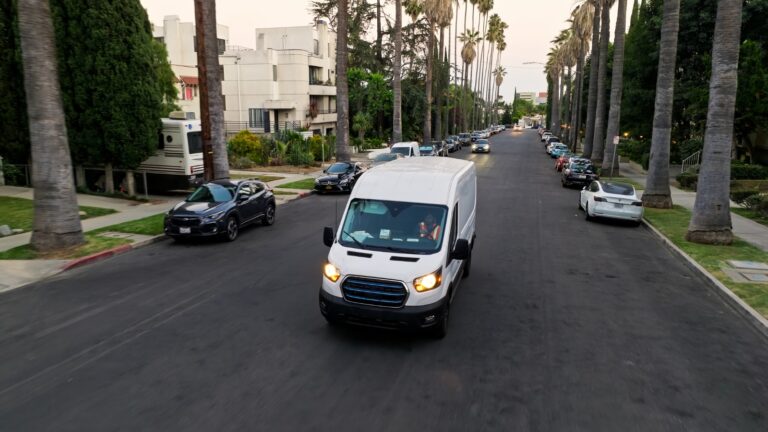
A vehicle can become part of a business long before a company buys a marked van or builds a fleet. A plumber may carry tools to job sites in a pickup. A bakery may deliver orders in a small car. A consultant may drive regularly to customer meetings. These uses can create insurance considerations that differ from ordinary commuting or personal errands.
Personal auto insurance is generally intended for individuals and household members using vehicles for everyday purposes. Business driving may receive limited treatment under some personal policies, while other types of work use may fall outside the policy’s intended scope. Commercial auto insurance is built for vehicles used in connection with business operations and can address the added liability and property risks that come with that use.
Personal Auto and Commercial Auto: The Main Difference
The key difference is not simply who owns the vehicle. It is how the vehicle is used, who drives it, and what risk the business takes on when it is on the road. A personal vehicle used occasionally to commute to an office may be viewed differently from that same vehicle used daily to carry supplies, make deliveries, or transport customers.
Commercial auto policies may accommodate business-owned cars, pickups, vans, box trucks, and other vehicles used in operations. They can also allow a business to select liability limits that reflect its operations. Liability coverage addresses injuries or damage to another person’s property when a covered driver causes an accident. Because an accident involving a work vehicle can lead to a claim against both the driver and the business, the liability portion of a commercial policy is particularly important.
Coverage decisions depend on the vehicle, its use, the drivers, the business activities involved, and the policy terms. A business owner should not assume that a personal policy will handle work-related driving just because the vehicle is personally titled or used for both personal and business errands.
Common Coverage Parts in a Commercial Auto Policy
A commercial auto policy can include several coverage components. Each addresses a different type of loss, and the policy declarations and endorsements show what applies to a particular business.
- Liability coverage: This may help pay for bodily injury or property damage that a covered business vehicle causes to others in an accident. It may also address certain legal defense costs, subject to policy conditions.
- Collision coverage: This may help with damage to a covered vehicle after it strikes another vehicle or object, or after a rollover. Businesses often consider this coverage when vehicle repair or replacement would significantly disrupt operations.
- Comprehensive coverage: Often called other-than-collision coverage, this may apply to losses such as theft, fire, vandalism, falling objects, or certain weather-related damage. It addresses many events that occur while the vehicle is parked as well as some losses that happen on the road.
- Uninsured and underinsured motorist coverage: Depending on the policy and state, this coverage may help when another driver causes an accident but has no insurance or insufficient insurance for the loss.
- Medical payments coverage: This may help pay eligible medical expenses for the driver and passengers after a covered accident, regardless of fault in some situations. Its availability and operation vary by policy and state.
Not every business needs every available option, and physical damage coverage is generally separate from liability coverage. Reviewing the vehicle’s value, how difficult it would be to replace, whether it is financed or leased, and the role it plays in daily work can help clarify the conversation.
Business Situations That May Need a Closer Look
Commercial auto insurance is commonly considered by businesses that own or lease vehicles, but ownership is only one part of the picture. Contractors and tradespeople may use trucks or vans to transport ladders, materials, and equipment. Delivery operations may have drivers on the road throughout the day. Mobile businesses, such as food vendors or repair services, may depend on a vehicle as a central part of providing their service.
Frequent travel to customer locations can also matter. A sales representative, real estate professional, or independent contractor may use a personal car extensively for work. The more regularly a vehicle is used to produce business income or perform business duties, the more important it becomes to understand how the current policy treats that use.
For example, consider a landscaping business whose employees use a pickup to move mowers and supplies between properties. The vehicle is not merely transportation to a fixed workplace; it supports the company’s service activities throughout the day. That distinction may affect the type of auto policy that fits the operation.
Employees Driving Their Own Vehicles for Work
Some businesses do not own vehicles but still face auto-related liability. An employee may use a personal car to pick up office supplies, deliver a package, attend a customer visit, or travel between job locations. If that employee causes an accident while performing company business, an injured party may seek recovery from the business as well as the driver.
This is where hired and non-owned auto liability coverage, often shortened to HNOA, can be relevant. “Non-owned” refers to vehicles the business uses but does not own, such as an employee’s personal vehicle used for a work errand. “Hired” can refer to vehicles the business rents, leases, or borrows in certain circumstances. This coverage is often available through a commercial auto policy or as an addition to another business policy.
HNOA is primarily liability protection for the business. It generally does not pay to repair an employee’s personal vehicle after a crash. The employee’s own auto policy may be involved for damage to that vehicle, while the business’s HNOA coverage may address the company’s liability exposure, subject to applicable terms and exclusions. This distinction is important because business owners sometimes assume that an employee’s personal auto policy resolves every issue arising from a work trip.
Questions to Review Before Choosing Coverage
A clear picture of vehicle use makes it easier to evaluate commercial auto needs. Business owners can begin by identifying every vehicle connected to operations, including company-owned vehicles, leased vehicles, rentals, and employee-owned cars used for work tasks. It is also useful to consider who drives, how often they drive, what they carry, where they travel, and whether passengers or customers ever ride in the vehicle.
Consider the following questions during a policy review:
- Is a vehicle used to make deliveries, carry equipment, or visit job sites?
- Does the business own, lease, rent, or borrow any vehicles?
- Do employees run errands or travel to customers in their own cars?
- Are multiple employees permitted to drive company vehicles?
- Would a damaged work vehicle interrupt operations or make it difficult to serve customers?
- Do current liability limits reflect the potential impact of a serious accident?
The answers may change as a business grows. Hiring a driver, adding delivery service, purchasing a van, or allowing employees to use their own cars for work can all alter the company’s auto exposure. Reviewing coverage when operations change can help identify gaps before an accident occurs.
A Practical Approach to Business Vehicle Protection
Commercial auto insurance is not limited to large companies with fleets. A sole proprietor with one work vehicle may have many of the same basic concerns as a larger operation: liability from an accident, damage to a vehicle needed for work, and questions about who is covered while driving for the business. The right approach begins with an accurate description of daily vehicle use rather than assumptions about what a personal policy may include.
Understanding the difference between owned vehicles and vehicles driven on the business’s behalf is also valuable. Commercial auto coverage and hired and non-owned auto liability coverage can address different exposures, and one does not necessarily replace the other. Policy language, covered-auto designations, limits, deductibles, and exclusions all affect how coverage may respond.
Business driving creates risks that deserve the same attention as property, liability, and workers’ compensation exposures. A thoughtful review can help business owners understand what their current policies address and where further consideration may be appropriate. For help reviewing business vehicle use and available coverage options, contact The Southern Agency.