
Prepare Your Home for Winter: A Comprehensive Guide
Seal Gaps: Protect from Drafts and Save Money
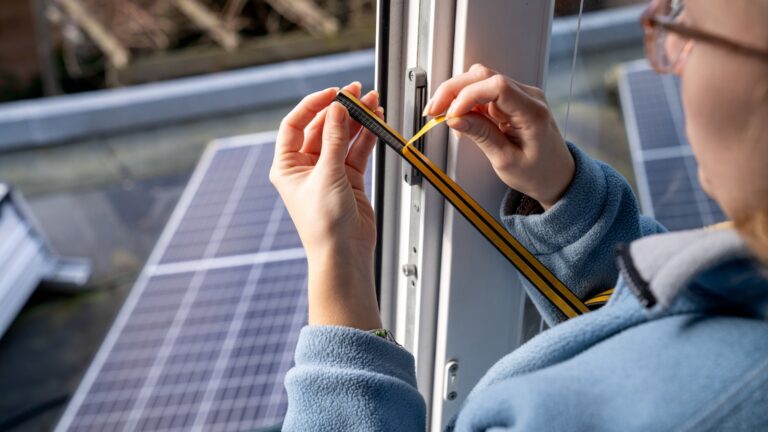
When winterizing, address significant gaps first, such as those in attic hatches, doors, baseboards, and windows. Enhance door seals with weatherstripping, add sweeps to the bottoms, and apply silicone caulk around windows, doors, and where the siding meets the foundation. Conduct a smoke test: on a windy day, activate kitchen or bath fans and move incense along trims and outlets. Smoke moving or being drawn inward indicates leaks. Proper sealing and insulation can cut heating expenses by 10-15%, making it a smart initial step.
Efficient Heating: Maintain Your HVAC System
Before the cold sets in, schedule an HVAC check-up. Make sure burners and heat exchangers are inspected, safeties tested, combustion verified, sensors cleaned, refrigerant levels checked, and thermostats calibrated. Replace filters every 1-3 months, using MERV 8-11 for optimal air quality, or MERV 11-13 for allergy concerns if the system allows. Lower your thermostat by 7-10°F while asleep or away for eight hours to potentially reduce your heating bill by up to 10% annually.
Preventing Frozen Pipes
Shield exposed pipes in basements, crawlspaces, and garages with foam sleeves. Drain exterior lines by capping faucets and adjusting interior valves. In extreme cold, keep a faucet running at a slim trickle to prevent freezing. Install leak sensors under sinks, near water heaters, and behind washers. For bursts, automatic shut-off valves can prevent extensive damage by stopping water flow quickly.
Roof and Gutter Maintenance: Avoid Ice Dams
Keep gutters clear of debris and test flow by using a garden hose. Make sure downspouts lead several feet from your home. Control ice dams by maintaining a cool attic: seal leaks around fixtures, confirm continuous soffit and ridge ventilation, and never vent bath fans into the attic. Schedule professional roof inspections annually or post-storm to detect potential issues early.
Safety Measures: Fire, Carbon Monoxide, and Generators
Place smoke alarms in each bedroom, outside sleeping areas, and on each floor. Carbon monoxide detectors should also be on every level and near bedrooms. Test devices monthly and change batteries semi-annually. Space heaters require a three-foot clearance, must be on a flat surface, and should plug directly into outlets with safety features. Operate portable generators outdoors, at least 20 feet from any openings, and connect to your home through a transfer switch.
Discuss Insurance Adjustments Before Winter Hits
Winter preparation can reduce risks and possibly lower your insurance costs. Contact The Southern Agency for a review of your coverage to make sure that you’re protected against winter-related incidents. Reach out to us at 800-777-1872 or visit The Southern Agency to discuss your needs further.
Ready to winterize your home? Get started with The Southern Agency today! Visit our website at The Southern Agency for more information.