

Manure runoff and nutrient pollution
Concentrated waste and pen runoff can contaminate surface or ground water, creating regulatory penalties and cleanup liability if containment fails.
Try a different word, or check the spelling.
Customers entrust you with cattle as well as a feeding program. Liability for animals in your care deserves a different conversation from insuring your own pens and mill.
The Southern Agency can review your feed mill, custom-feeding contracts and runoff responsibilities as connected but distinct insurance needs.
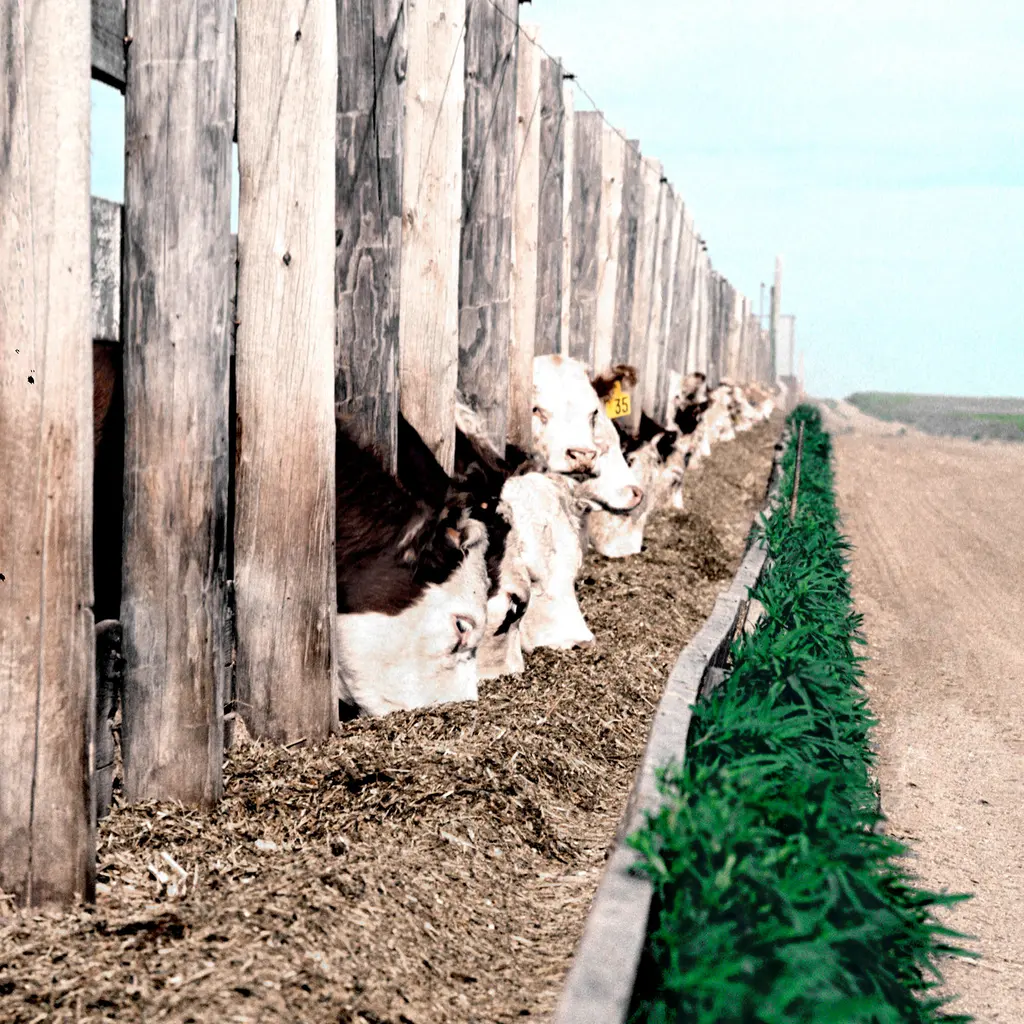
You feed and handle cattle using pens, mixing equipment, and weighing systems, and some animals may belong to customers. A machinery accident can injure a worker, while a runoff incident or damage to cattle in your care can leave your business facing separate claims.
The Southern Agency can review your feeding contracts, equipment, and waste arrangements to help you select insurance. We can discuss protection for your own assets separately from customer-cattle interests and pollution liability.
Concentrated waste and pen runoff can contaminate surface or ground water, creating regulatory penalties and cleanup liability if containment fails.
Custom-fed cattle owned by others create bailee and care-custody exposure if animals are lost to ration errors, sickness, or mismanagement.
Grain handling, mixing, and storage generate combustible dust and fire risk that can damage the mill and disrupt feeding.
Heat stress, blizzards, disease, or feed contamination can cause significant death loss among densely housed cattle.
Feed mixers, augers, scales, and mill machinery are essential to daily feeding, and a breakdown can halt operations quickly.
Staff working among heavy cattle and operating loaders and mill equipment face crushing, machinery, and traffic injuries.
Policies to ask about. Which ones fit depends on your operations, your contracts, and the carrier’s forms.
These hypothetical examples are not agency claim results. Whether a loss is covered depends on the facts, policy terms, and applicable exclusions.
Hypothetical: heavy rain overtops a containment and a cleanup demand follows. An environmental form may cover specified cleanup or defense costs, but known conditions, excluded discharges, and penalties can remain outside it. The cause and permit history matter.
Hypothetical: a ration-mixing error kills customer cattle and the owner demands payment. Review a form expressly addressing liability for cattle in the operator's care and the alleged cause. General liability or insurance on the operator's own herd does not establish that protection.
Hypothetical: a mixer's drive breaks and the yard brings in prepared feed. Equipment breakdown may cover the insured machine's repair; additional feed expense needs an applicable expense provision and limit. Cattle injury is not automatically included.
Start with the work you do and the questions your current policies leave unanswered. Carrier options depend on your location, risk, and underwriting. Explore our approach.
No. Check the insured location, covered pollutants, cleanup trigger, prior conditions, reporting provisions, and exclusions. A regulatory demand does not by itself establish insurance coverage, and penalties may be excluded or otherwise uninsurable.
Determine whether the claim is for the customer's animal loss or the feedlot's legal liability, and whether the form covers cattle in its care. Named causes, feeding errors, disease exclusions, valuation, and contractual assumptions can produce different outcomes.
Property coverage may apply to an insured fire or explosion at the mill. Check building and equipment values, stored feed, deductibles, and exclusions. Internal mechanical breakdown is a different coverage question.
It may cover an insured machine failure, but substitute-feed or hauling costs require an applicable extra-expense provision. Review its limit and trigger. Resulting livestock injury or death should be checked separately.
Requirements depend on the state, employer, workforce, and actual duties. Describe mill work, cattle handling, hauling, and seasonal labor rather than assuming one agricultural exemption or classification applies to the entire yard.
Capacity, cattle ownership and values, custom-feeding responsibilities, waste controls, equipment, workforce, trucking, and loss history provide the starting information. Actual pricing and eligibility depend on underwriting.
Bring your questions, current policies, and relevant contracts. An agent can review coverage terms, exclusions, and the information carriers ask for, then explain the options available to you.