Search The Site
Try a different word, or check the spelling.
Homeowners Insurance
Help protect the home you’ve made your own and the belongings you’ve gathered along the way.

- In short
- Generally, aim the dwelling limit at estimated rebuild cost, and know which causes of loss your form excludes.
- Who or what is protected
- The dwelling and other structures, your personal property, your liability, and additional living expenses.
- Where it stops
- Flood, earth movement, wear and tear, neglect, and gradual damage are commonly excluded.
Four parts, four limits
Standard homeowners forms organize coverage into lettered parts. Each has its own limit.
Property
- Dwelling
- The house and attached structures. Set this limit to rebuild cost.
- Other structures
- Detached garages, fences, and sheds, usually a percentage of the dwelling limit.
- Personal property
- Furniture, clothing, and electronics. Some categories, such as jewelry, have lower sub-limits.
People and time
- Liability and medical payments
- Injuries to others and damage you cause, at home or elsewhere, with legal defense.
- Loss of use (additional living expenses)
- Reasonable extra costs of living elsewhere while a covered loss is repaired.
Common policy forms
Form names describe the structure of a policy. Carriers modify them, so read the actual wording.
| Typical structure | Who it fits | |
|---|---|---|
| HO-3 Special form | Open perils on the dwelling, named perils on belongings | Most owner-occupied houses |
| HO-5 Comprehensive | Open perils on dwelling and belongings | Owners wanting broader contents coverage, where offered |
| HO-2 Broad / HO-1 Basic | Named perils only; HO-1 is rarely sold | Limited situations |
| HO-8 Modified | Often actual cash value or functional replacement | Older homes where rebuild cost far exceeds market value |
| HO-6 Condo | Your unit interior, improvements, belongings, and liability | Condo owners, alongside the association’s master policy |
| HO-4 Renters | Belongings, liability, and loss of use; no building | Tenants (see the renters guide) |
Scroll sideways to compare all columns.
How a loss is valued
The valuation clause decides the check, not the sticker price.
- Open peril vs named peril
- Open peril covers any cause not excluded; named peril covers only the causes listed. With open peril, the insurer generally must show an exclusion applies.
- Actual cash value
- Replacement cost minus depreciation.
- Replacement cost
- The cost to replace with new property of like kind and quality, without deducting depreciation; often paid in stages after you replace.
- Extended or guaranteed replacement cost
- Extra room above the dwelling limit (often expressed as a percentage) if rebuild costs run higher than expected. Availability and percentage vary.
- Agreed value
- An amount set in advance, common for collectibles and scheduled items.
Common gaps to discuss
Commonly covered, subject to terms
- Sudden, accidental water discharge such as a burst pipe
- Fire, smoke, wind, and hail (subject to deductibles, which may be separate for wind or hail)
- Theft of belongings, with sub-limits on valuables
Commonly excluded or limited
- Flood from surface water or rising water: needs a separate flood policy
- Earthquake and earth movement: separate coverage or endorsement
- Sewer or drain backup: often an endorsement
- Gradual leaks, wear, neglect, pests, and intentional acts
What an agent can do
This information is educational, not an offer of coverage.
Start by asking which options are available for your situation. An agent can explain policy wording and help you weigh limits and deductibles. Coverage, price, and eligibility depend on the insurer, your details, and your state.
Questions people ask
How much homeowners insurance do I need?
Enough dwelling coverage to rebuild at today’s construction costs, enough personal property coverage to replace your belongings, and liability limits that reflect what you could lose in a lawsuit. Market value and purchase price are poor guides to rebuild cost.
Does homeowners insurance cover water damage?
It depends on the cause. Sudden, accidental discharge, such as a burst pipe or failed appliance hose, is commonly covered. Gradual leaks are usually not, sewer backup often needs an endorsement, and flood needs a separate flood policy.
Can alarm systems lower my premium?
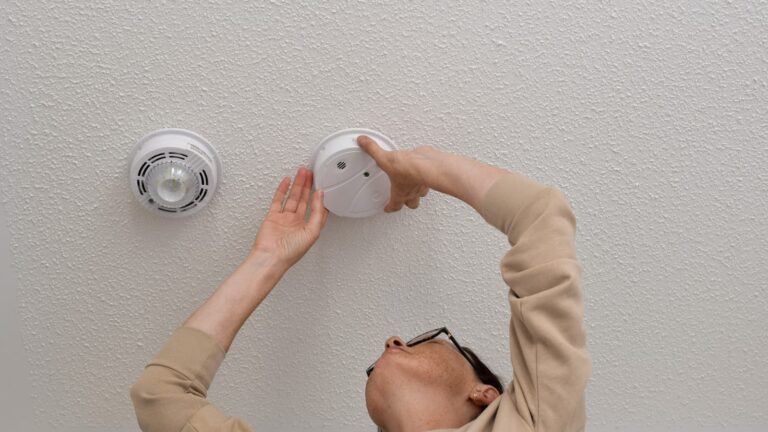
Many carriers offer credits for protective devices such as monitored burglar and fire alarms, smoke and carbon monoxide detectors, sprinklers or water-leak shutoff systems. Whether a credit applies, and how much, depends on the carrier and the system; monitored systems often earn more.
What is not covered by homeowners insurance?
Standard policies commonly exclude flood, earthquake, normal wear and tear, neglect, and intentional damage. Exclusions vary by form, so check the policy.
Talk through homeowners insurance with an agent
Bring your questions and the list above. We will explain the options and the wording in plain language.