Skip to content

Joint Venture Manager Insurance

You can make one decision on behalf of a venture and answer to partners with different interests. Coverage for that management role needs to account for who may bring a claim.

The Southern Agency can help you review your management role and partner agreements to select tailored professional and liability coverage.

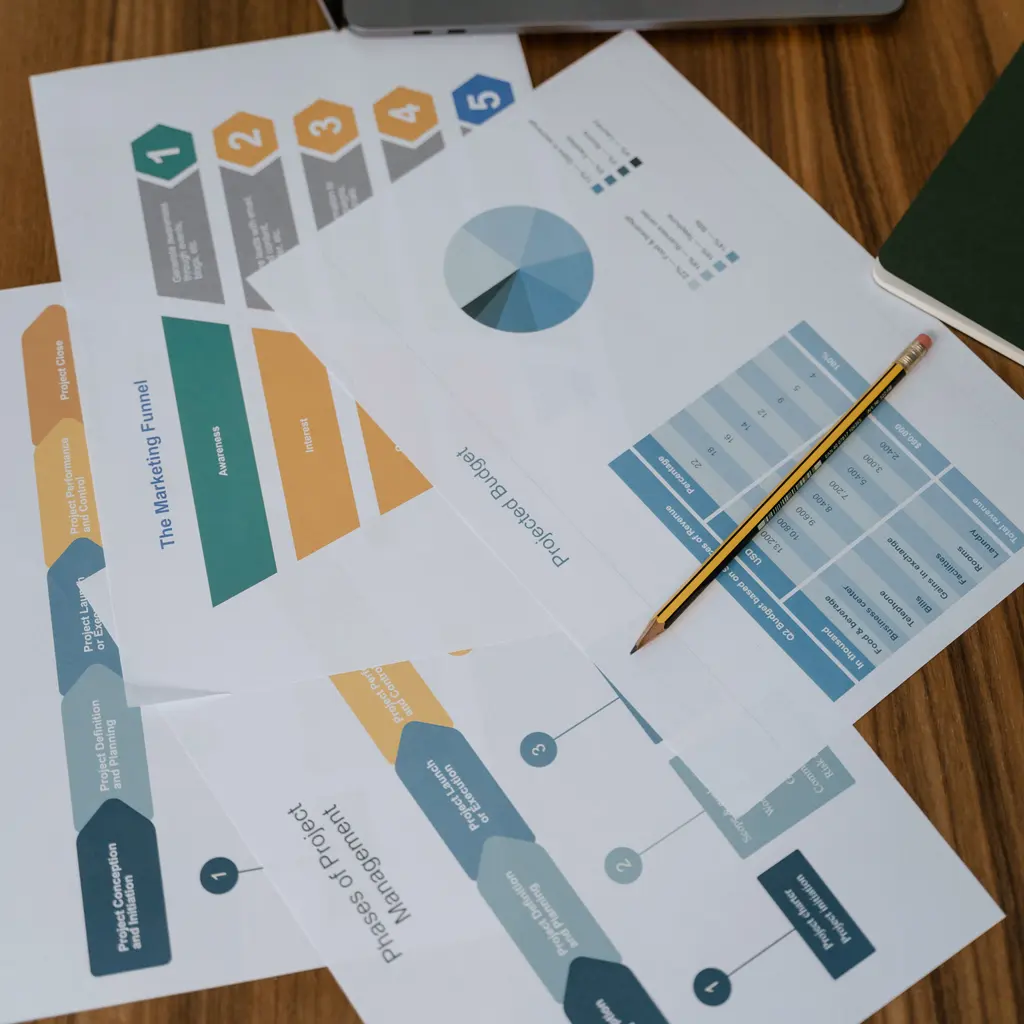
Project-planning stages and process maps spread across a desk.

Industry overview

You oversee complex arrangements involving multiple partners, which can lead to claims of favoritism, budgeting errors, or mismanagement of funds. Your specific role in authorizing decisions or committing capital can create liability that varies by partner and agreement.

The Southern Agency can help you distinguish between your management role and the venture's overall obligations to select appropriate insurance. We can discuss how professional liability and management coverage fit your specific authority, for example, by reviewing how your policy addresses partner-initiated claims versus administrative support errors.

Risks worth discussing

Partner disputes over management decisions

A partner may allege the manager favored another owner in allocating an opportunity or approving a budget. Identify the accused entity and person, authority, claimant's relationship, and remedy. A dispute between related or co-owning parties is not proof that every party, capacity or management-agreement claim fits a policy.

Breach of fiduciary and governance duties

A claimant may allege breached duties in capital allocation, oversight, or contracting. Have qualified advice identify the actual agreement, role, alleged conduct, and applicable duties. A fiduciary allegation does not itself establish liability or make every capital, distribution, or professional-service loss insured.

Professional errors in administration

A reporting, distribution calculation, or contract-administration error may produce a damages demand. Identify the actual service, recipient, authority, and claimed harm. Correcting the calculation, returning money owed, promising an investment result and paying covered damages are not automatically the same insured loss.

Theft or misappropriation of venture funds

A dishonest person may divert money, or a false instruction may redirect a capital contribution or distribution. Trace whose funds were lost, who approved the transfer, and the actual event. Money administered for partners is not automatically the manager's insured property, and approved deception can differ from unauthorized account intrusion.

Cyber and confidentiality exposure

Compromised partner financials, personal records or deal documents may prompt investigation, response or liability demands. Identify the data, affected companies, systems, and providers. Not every corporate record, confidentiality promise, outage, diverted transfer or lost investment outcome is one insured privacy or security event.

Employment-related claims from staff

Staff may allege discrimination, harassment, or wrongful termination. Identify the actual employer and supervising people, including any shared or partner-provided staff and work locations. A venture title or payroll total does not establish every company or worker is insured, or that wage, benefit and work-injury demands fit employment practices cover.

Coverage worth discussing

Policies to ask about. Which ones fit depends on your operations, your contracts, and the carrier’s forms.

Situations to think through

These hypothetical examples are not agency claim results. Whether a loss is covered depends on the facts, policy terms, and applicable exclusions.

  1. Hypothetical: Partner alleges unfair allocation

    Hypothetical: a partner sues the manager for steering a profitable opportunity to the other owner in breach of the management agreement. Applicable D&O may help pay included defense and covered management damages. Check the accused company and person, appointment, claimant relationship, alleged act, timing, and defined loss. A partner's status or contract allegation does not establish every affiliated dispute, professional service or lost profit is covered.

  2. Hypothetical: Distribution calculation error

    Hypothetical: an arithmetic error shorts a partner's quarterly distribution, leading to a damages demand. Applicable E&O may help pay included defense and covered damages if the actual calculation service, recipient, and claim fit the terms. Distinguish the distribution already owed and correction costs from alleged consequential harm. None is automatically insured because it appears in a demand, and timing, exclusions, and limits still matter.

  3. Hypothetical: Wire fraud diverts a capital call

    Hypothetical: an email impersonating a partner causes another partner to send a capital contribution to a criminal account. Applicable crime or social-engineering terms may reimburse included direct loss. Trace who lost money: the paying partner, venture or manager. Check whether that party's loss and money are included. A payment approved after deception can need different terms from an unauthorized account transfer. Review verification, limits, proof and actual discovery and notice terms; the manager's access does not insure every partner payment.

Before you talk to an agent

What to have ready

Tick items as you gather them. Nothing here is saved or sent.

Questions to raise

  • Map decisions, appointments, and authority to the manager, venture, partner companies, and people, with actual claimant relationships. Compare possible defense and covered management damages, the number and size of partners and chosen limits, including how defense costs affect them. Venture capital alone does not establish a suitable limit or acceptance of an insider, partner, or contractual claim.
  • Match reporting, distribution calculations, contract administration, and any compliance or other services to the actual professional-service definition, recipients, and loss terms. Compare possible client harm and defense costs with purchased limits, not only capital handled. For claims-made terms, review prior work, known matters, claim and reporting dates and continuity when services, appointments or policies change; do not assume all past work or continuing roles are included.
  • Trace capital contributions, accounts, distribution authority, employees, and providers, including payment verification. Compare typical and largest transfers with applicable limits and the actual theft or fraud grant. Check whose money and which people are included, what proof is needed and the policy's discovery and reporting terms. Total capital under management does not establish that the manager owns or insures every contribution, distribution, or approved payment.
  • Identify partner financials, personal information, and deal records, actual systems, access, and providers. Compare possible investigation, response and privacy or security liability with purchased cyber terms and limits. Separate business-record confidentiality promises, outages and lost funds rather than treating all partner data and financial loss as one insured breach.
  • Read actual venture and management agreements for authority, reporting, indemnity, required policies, insured parties, and limits before committing. Compare requested roles and instruments with policy wording and endorsements, including changes in partners, authority, or activities. A private agreement does not itself extend insurer obligations; a requested policy or certificate is not the insurer's agreement to include every venture interest, appointment, or activity.

Contract terms to check

  • Have qualified advice identify who may act for the venture, approve budgets or investments, commit funds, allocate opportunities, and appoint or remove managers. Compare actual duties, delegations, conflict procedures, and indemnities with insured companies, people, capacities and loss. A management agreement, fiduciary label or insurance request does not by itself establish every party's legal responsibility or insurer payment.
  • Define reporting, calculation, distribution, and contract-administration services, recipients, approval and correction responsibilities, and any outside advice or compliance work. Compare these with the professional-service definition, related-party and contract terms. An amount owed, accounting correction, guarantee, or promised investment result is not automatically covered damages.
  • Specify account and transfer authority, instruction changes, approval, verification, and incident cooperation among partners, manager and providers. Compare ownership and included people with the actual crime terms. If fidelity or a bond is requested, review its particular insured interests, proof, limits, and notice requirements. Neither managing capital nor another party's certificate establishes that all shared funds or approved payments are covered.
  • Allocate actual data access, provider roles, confidentiality, return, and incident-reporting responsibilities. Compare commitments with insured companies, records, systems, and response terms. A private confidentiality promise or provider insurance does not automatically insure every data item, business interruption, diverted payment, or contractual remedy.
  • Compare requested policies, parties, limits, certificates, waivers or other endorsements with the actual manager and venture policies before committing; identify any relevant office or client-site responsibilities separately. Keep legal obligations, private agreements and insurer terms distinct. Another party's insurance, a certificate or an uninsured provider does not automatically extend cover or transfer every liability.

What the agent conversation looks like

Start with the work you do and the questions your current policies leave unanswered. Carrier options depend on your location, risk, and underwriting. Explore our approach.

  1. ListenReview your operations, current coverage, and past claims.
  2. AssessIdentify potential hazards and discuss ways to reduce risk.
  3. BuildDiscuss policy and carrier options, premium costs, and audits.
  4. SupportReview changes and help you plan ahead as your needs develop.

Questions owners ask

What insurance does a joint venture manager typically need?

Compare management liability for governance claims and E&O for included administrative errors. Crime and cyber terms can address different funds and data losses; neither automatically covers all partner money or records. Add staff and premises interests where present. Policies and limits depend on companies, roles, relationships, facts, and grants, not one universal package or capital-based limit.

How is this different from insuring a single company?

The arrangement can involve different manager, venture and partner interests, appointments, and authority. An allegation about favoring one owner can raise different claimant, capacity, and service questions from an ordinary office injury. The roles can coexist in one business; a venture label does not insure every partner, fund, service, or operating activity.

Does D&O protect against partner lawsuits?

Applicable D&O may help pay included defense and covered management liability. Check actual companies and people, appointment, claimant relationship, alleged conduct, timing, defined loss, and exclusions. A partner or insider claim, breached management promise, professional service, or requested capital return is not automatically accepted.

Why would a manager need crime coverage?

Contributions and distributions can be diverted by employee theft or false instructions. Applicable crime terms may reimburse covered direct loss, but first establish whose money is lost and which people and causes are included. Approved deception and unauthorized intrusion can differ; actual verification, limits, proof, discovery, and notice matter, not only capital volume.

What if a reporting or distribution error harms a partner?

Applicable E&O may help pay included defense and covered damages if the actual administrative service, recipient, and claim fit. Distinguish correcting the report or paying a distribution already owed from alleged resulting harm, with timing, loss, limits, and related-party or other exclusions checked. A demand does not make every amount insured damages.

Does the management agreement affect required coverage?

An actual agreement may request particular policies, parties, limits, or instruments. Compare them with the manager and venture policies and endorsements before committing, alongside actual authority, and duties. Private requirements are not automatically legal mandates or insurer promises, and a certificate or coordinated program does not guarantee every obligation is covered or available.

Talk through your joint venture manager coverage

Bring your questions, current policies, and relevant contracts. An agent can review coverage terms, exclusions, and the information carriers ask for, then explain the options available to you.

How can we help you get started?

Choose the quote that fits, and we’ll take it from there.

Have a question? Contact us