

Fire from rolls, board, and starch dust
Linerboard rolls, finished cases, and adhesive starch dust create a substantial fire load near a heated corrugator.
Try a different word, or check the spelling.
Your cases are part of how a customer protects goods in transit. Liability for damage to those contents is a different need from replacing boxes that miss stacking, burst or fit specifications.
The Southern Agency can help you assess the risks of combustible stock and high-speed machinery for your packaging operation.
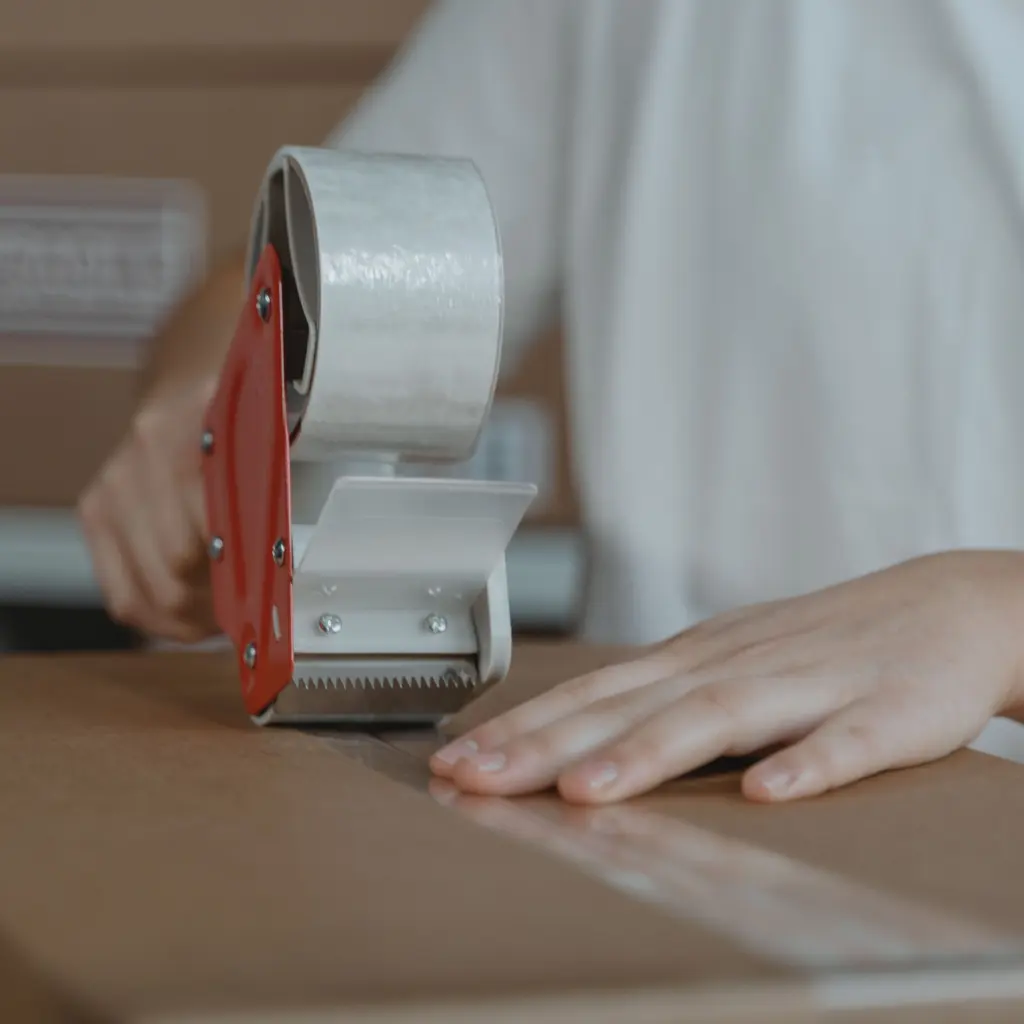
Your plant holds large quantities of combustible paper and starch, where a fire can cause significant damage to your equipment and finished cases. A failure in your corrugator or printing equipment can lead to expensive downtime and missed delivery schedules.
The Southern Agency can review your combustible inventory and just-in-time delivery requirements to help you select appropriate insurance. We can discuss property protection for your heated equipment and the liability risks when your packaging fails to protect a customer's goods.
Linerboard rolls, finished cases, and adhesive starch dust create a substantial fire load near a heated corrugator.
Flexo presses, die-cutters, slotters, and folder-gluers create crush, nip, and amputation hazards for machine operators.
The corrugator is a critical single point of failure, and its breakdown can stop all board production until repaired.
Cases that fail burst, stacking, or fit specifications can fail in transit and damage a customer's product, prompting claims.
Moving heavy paper rolls and finished pallets with clamps and forklifts creates crush and material-handling hazards.
Trucks delivering boxes on just-in-time schedules face collision and liability exposure on the road.
Policies to ask about. Which ones fit depends on your operations, your contracts, and the carrier’s forms.
These hypothetical examples are not agency claim results. Whether a loss is covered depends on the facts, policy terms, and applicable exclusions.
A heated roll drive on the corrugator fails and stops board production. Equipment breakdown may respond to repairs and lost income, depending on the policy and facts. Compare the internal drive event with wear and process provisions and review affected stock and the income and restoration terms purchased. Lost output is subject to those terms; order penalties need separate review.
Cases collapse during stacking and damage a customer's products. Product liability may respond to defense and damages, subject to the policy, endorsements, and exclusions. Establish the failure, packing or stacking cause and check the contents and uses included. Distinguish your failed cases from other damaged goods and review impaired-property and contract exclusions.
A fire ignites stored linerboard rolls and spreads to finished inventory. Property and business income may help with repairs and lost revenue, depending on the policy. Check the covered fire, insured rolls, cases, and machinery interests and valuation. Income recovery depends on the protection, waiting and restoration periods purchased, not a promise to replace every future order.
Start with the work you do and the questions your current policies leave unanswered. Carrier options depend on your location, risk, and underwriting. Explore our approach.
The corrugator is a critical single point of failure, and its breakdown can stop all board production. Equipment breakdown may help with repair and lost income, subject to policy terms.
A failed case can damage customer goods, but missing a burst or stacking specification alone is not the coverage test. Review the design or packing cause, contents and uses included and own-product, impaired-property and contract exclusions. Replacing cases, damaged shipments and performance guarantees are different cost questions.
Rolls, finished cases, and starch dust create a heavy fire load near a heated corrugator. Property and business income coverage are central, depending on policy terms.
Describe vehicles, drivers, loading, unloading, and site duties. Compare the auto liability and vehicle-damage terms included with separate goods, cargo and forklift provisions. A fleet schedule alone does not insure every case, customer-contents loss or late-delivery obligation.
Workers' compensation is commonly required for press and die-cutter operators facing crush and nip hazards. Requirements, qualifying workers and benefits depend on applicable state rules and the work performed; payroll alone does not determine those benefits.
Inventory fire load, suppression systems, corrugator and press values, fleet size, production volume, and loss history all factor in. Coverage availability depends on underwriting.
Bring your questions, current policies, and relevant contracts. An agent can review coverage terms, exclusions, and the information carriers ask for, then explain the options available to you.