

Defamation from on-air commentary
On-air comments about people or businesses can prompt defamation claims.
Try a different word, or check the spelling.
Your guest, sponsor and music source can each have a different concern about the episode you release. Media protection should fit edits, permissions, and advertising duties, with studio visitors, portable recording gear and listener data handled separately.
The Southern Agency can review your episodes, permissions and sponsor promises with you, alongside the gear and records used to produce them.
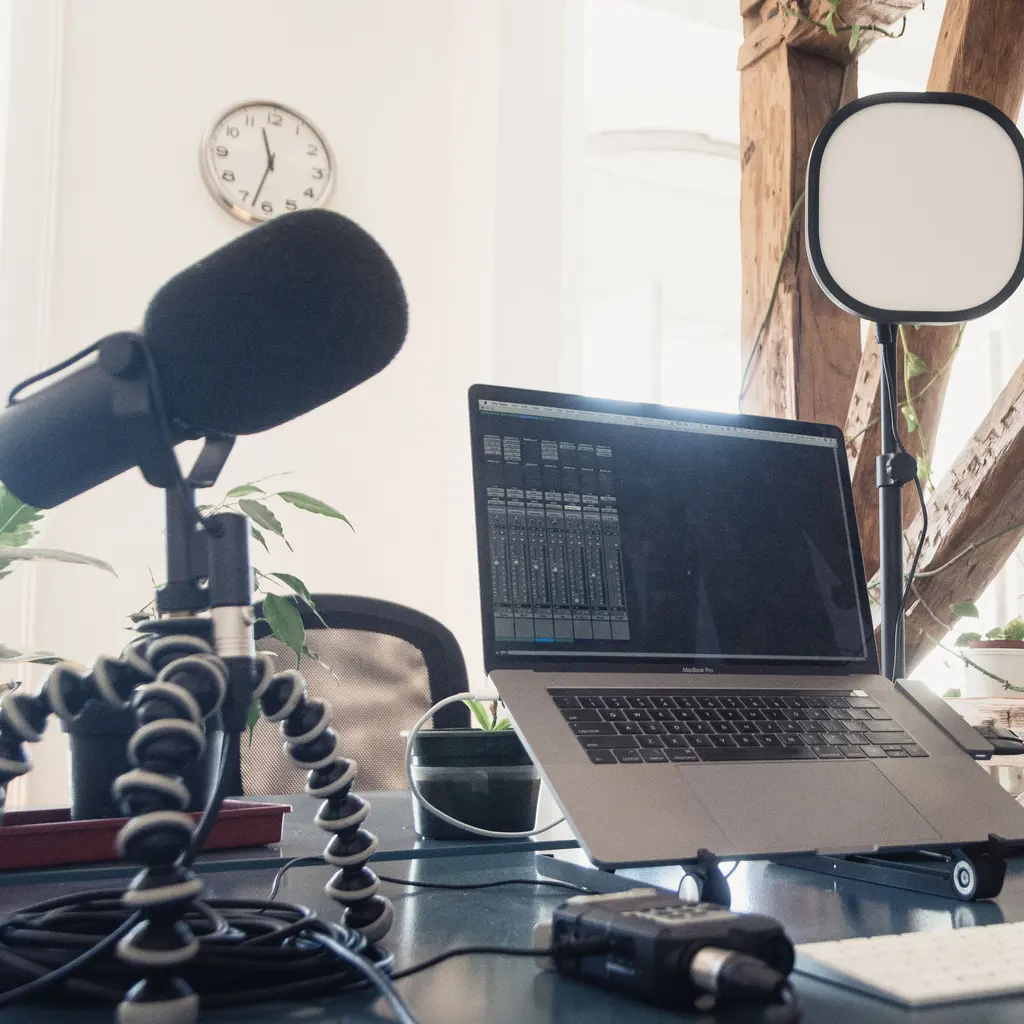
You record, edit and manage podcasts for listening platforms and sponsors. Disputes over edits or the use of music and words can create legal exposure, while damaged gear can halt your production.
The Southern Agency can review the episodes you publish, the editing services you sell and your guest or sponsor agreements. We can compare specialist media and service-liability terms with protection for visitors, recording gear and the listener records you actually hold.
On-air comments about people or businesses can prompt defamation claims.
Using music or clips without permission can lead to copyright disputes.
A guest may raise privacy concerns or dispute how an interview was edited.
Sponsor agreements can lead to disputes over ad delivery or disclosures.
Recording equipment can be damaged or stolen, including away from the studio.
Email lists and subscriber data can be exposed in a breach.
Policies to ask about. Which ones fit depends on your operations, your contracts, and the carrier’s forms.
These hypothetical examples are not agency claim results. Whether a loss is covered depends on the facts, policy terms, and applicable exclusions.
A company discussed on a podcast alleges that the episode contains false statements. Media-liability coverage may defend a covered claim and may pay eligible damages if liability is established; the content and reporting terms matter.
An episode uses music without permission and a rights holder sends a claim. Media-liability coverage may defend an eligible rights claim if the content, rights, producer, and policy timing fit.
A guest alleges that a released interview was edited to misrepresent them and harm their reputation. Review actual privacy/defamation and editorial allegations under the offered media form, including producer, content and reporting terms. A client's claim for faulty editing services is different; generic professional cover or a guest release does not establish either response.
Start with the work you do and the questions your current policies leave unanswered. Carrier options depend on your location, risk, and underwriting. Explore our approach.
A podcast can face a claim over statements it publishes. Media-liability coverage may defend a covered claim; the content, rights and reporting terms matter.
Music and third-party clips need permission for the uses made. Media coverage may defend certain covered claims, but it does not replace rights clearance.
General liability may address covered visitor injury claims at a studio. A guest’s content or privacy dispute is a different exposure.
A sponsor may allege that an ad or episode missed its agreed terms. Professional-liability coverage may defend a covered service claim; a refund or make-good is not automatically insured.
Inland-marine coverage may protect scheduled recording equipment away from the studio. Check item values, territory and transit terms.
Email lists, subscriber accounts, and payment data create cyber exposure. Coverage may help with approved response costs after an event involving covered data and systems.
Prepare audience size, content topics, rights records, sponsor commitments, equipment values, staff, and recent losses for an insurer’s review. The insurer decides whether to offer terms.
Bring your questions, current policies, and relevant contracts. An agent can review coverage terms, exclusions, and the information carriers ask for, then explain the options available to you.