

Vehicle accidents on delivery routes
Drivers covering neighborhoods and commercial areas face collision and liability exposure that grows with mileage and route density.
Try a different word, or check the spelling.
Your client samples can wait at a temporary staging point before crews carry them onto routes and private property. Materials, vehicle and site-liability terms should follow those handoffs, with actual part-time staffing and distribution activities accepted in each layer.
The Southern Agency can help you consider delivery routes, field crews, and client materials in your care.
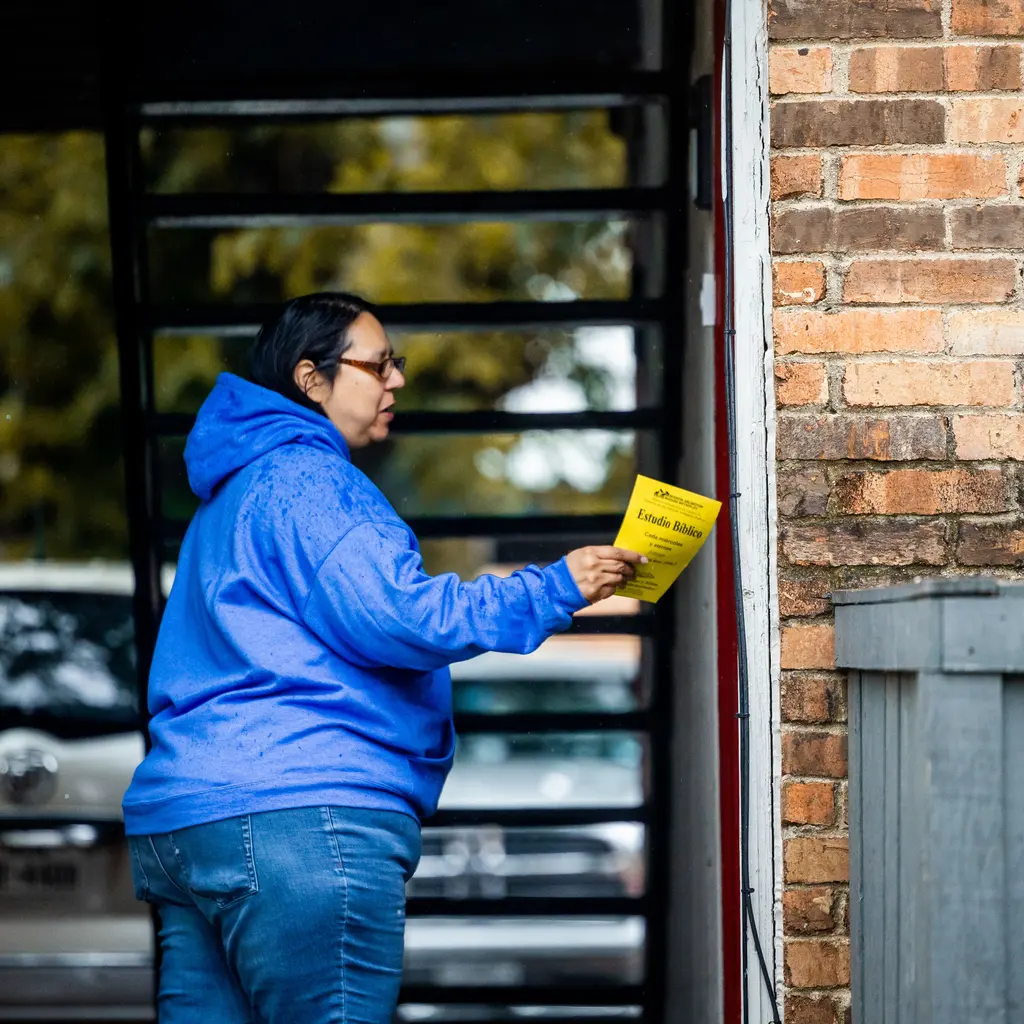
You operate crews to deliver flyers and samples to residential or commercial addresses. Route accidents, crew injuries from slips or animal bites, and damage to client property are operational realities.
The Southern Agency can review your distribution methods and crew management to help you select appropriate insurance. For example, we can help coordinate business auto coverage for delivery routes with inland marine insurance for client materials.
Drivers covering neighborhoods and commercial areas face collision and liability exposure that grows with mileage and route density.
Crews on foot can damage landscaping, fixtures, or property while placing materials at homes and businesses.
Walking routes in all weather exposes distributors to slips, falls, dog bites, and repetitive-strain injuries.
Printed pieces and product samples can be damaged by weather, lost, or stolen before reaching consumers.
Entering private property to deliver materials can lead to trespass allegations or disputes with residents and businesses.
A fluctuating, often part-time workforce raises payroll-driven workers' compensation and employment-related considerations.
Policies to ask about. Which ones fit depends on your operations, your contracts, and the carrier’s forms.
These hypothetical examples are not agency claim results. Whether a loss is covered depends on the facts, policy terms, and applicable exclusions.
A distribution driver is at fault in a collision while covering a route, injuring another motorist. Business auto coverage may respond to the resulting liability and damage, depending on policy terms and the facts. Identify the insured vehicle and driver; physical damage to the delivery vehicle and loss of client stock are separate from liability.
A crew member accidentally breaks a homeowner's light fixture while placing a door hanger. General liability may help with the resulting property damage claim, depending on policy terms. Care/custody/control and professional or contractual exclusions can matter; damage to the item being worked on is not automatically covered.
A storm soaks pallets of flyers staged in a vehicle overnight, ruining a client's run. Inland marine coverage may respond to the loss of materials in transit, subject to the specific policy and exclusions. Check covered causes, packaging, unattended-vehicle, and overnight-staging terms; the client's full reprint bill is not necessarily the insured value.
Start with the work you do and the questions your current policies leave unanswered. Carrier options depend on your location, risk, and underwriting. Explore our approach.
Because the work is mobile and hands-on, commercial auto, general liability, and workers' compensation usually lead the program. The right mix depends on fleet size and crew structure, subject to underwriting.
Workers' compensation commonly responds to work-related injuries like slips, falls, and dog bites for crews in the field, depending on staffing classification and policy terms.
Inland marine coverage may help protect printed pieces and samples while in transit or staged off-site, depending on the specific policy, endorsements, and exclusions.
General liability may respond to accidental property damage during door-to-door delivery, such as a broken fixture or damaged landscaping, depending on policy terms and the facts.
Part-time or seasonal status alone does not resolve workers compensation. Review state rules, employment status, payroll, and any subcontractor arrangements with the agent and adviser.
A covered route collision or on-property injury claim can use up an underlying liability limit. A compatible umbrella may add limits when its distribution activities, underlying policies and attachment conditions fit. It does not automatically increase the amount insured for client stock or refund obligations.
Bring your questions, current policies, and relevant contracts. An agent can review coverage terms, exclusions, and the information carriers ask for, then explain the options available to you.