

Design errors and omissions
A flawed or incomplete drawing or specification can lead to construction defects, rework, and claims for the resulting financial loss.
Try a different word, or check the spelling.
Your construction-phase observations and design advice can involve different duties from preparing the drawings. Professional and site protection should fit the role you accept, while plan recovery, redesign, fee refunds and portable models or equipment need their own terms.
The Southern Agency can help you review your design practice and construction observation insurance needs.
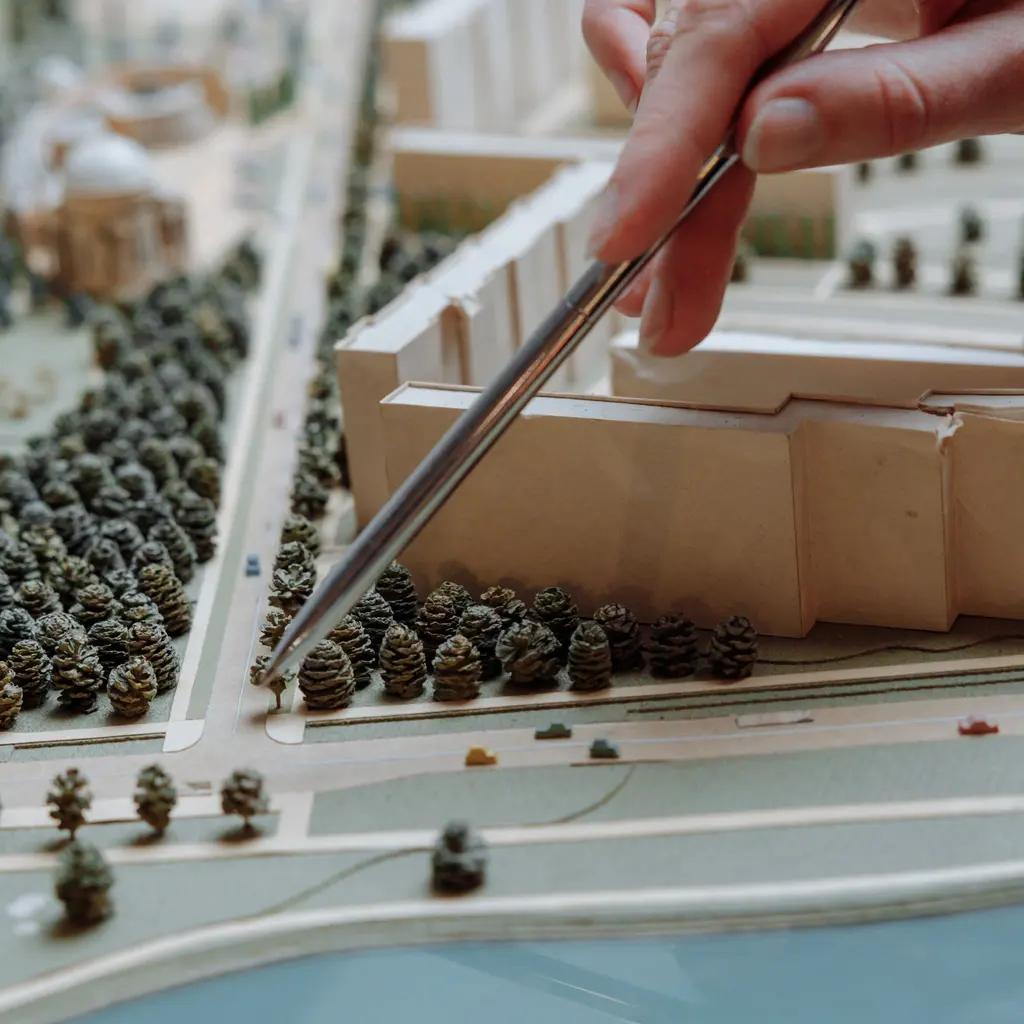
You draft the drawings and technical plans that guide construction, while often visiting project sites to observe progress. A single design error can lead to costly repairs or delays that a client may claim long after the project is complete.
The Southern Agency can help you review your design services and site duties to select appropriate insurance, such as professional liability for claims related to your technical drawings and project advice.
A flawed or incomplete drawing or specification can lead to construction defects, rework, and claims for the resulting financial loss.
Designs that fall short of building codes or accessibility standards can trigger costly redesign and liability exposure.
Site visits during construction expose architects to injury claims and to being named in multi-party defect disputes.
Drawings and project files are difficult to recreate, and a fire, system failure, or breach can stall active work.
Projects that exceed cost or time estimates can lead owners to allege professional negligence against the firm.
Firms store client information and proprietary designs that are vulnerable to ransomware, phishing, and unauthorized access.
Policies to ask about. Which ones fit depends on your operations, your contracts, and the carrier’s forms.
These hypothetical examples are not agency claim results. Whether a loss is covered depends on the facts, policy terms, and applicable exclusions.
After completion, an owner alleges a specification error caused water intrusion and demands redesign and repair costs. Compare actual insured design/observation duties, negligence allegations, assumed-liability restrictions and applicable claim/reporting dates. Eligible professional defense/damages differ from voluntarily correcting your own drawings before a claim or refunding fees.
During a site visit, an architect carrying a model collides with a visitor who is injured. Compare a covered separate physical act under GL with any allegation of negligent professional observation under E&O. Actual duties and exclusions matter; being present on site does not make all design, supervision or worker injuries premises claims.
A ransomware attack encrypts active CAD files and client data. Compare the insured system/event, selected data restoration, response and income terms, reporting/consent and waiting/restoration limits. Encryption does not itself prove disclosure; routine reconstruction, design correction and every late-project charge are not automatically cyber benefits.
Start with the work you do and the questions your current policies leave unanswered. Carrier options depend on your location, risk, and underwriting. Explore our approach.
Design errors can surface years later and lead to expensive defect claims. Professional liability may respond to defense and damages tied to alleged errors or omissions, subject to policy terms and underwriting.
Describe actual observation and any added supervision, management or safety duties. A separate physical act causing other-party harm may fit GL; negligent professional observation needs actual professional-services terms and GL exclusions reviewed. Site presence is not proof every activity or worker injury covered.
Cyber and property or inland marine coverages may help recover or replace lost plans and data, depending on the cause of loss and the specific policy, endorsements, and exclusions.
Bring the actual owner's or developer's requested limits, indemnities, reporting duration and insured-status terms. The Southern Agency can compare them with offered policies and issued endorsements. A contract or certificate does not create every requested benefit, and underwriting determines available terms.
For claims-made cover, compare claim and reporting dates, alleged-act/retroactive dates, prior knowledge and any extended-reporting election. Project completion or retirement does not automatically preserve later coverage.
Office work does not remove employee injury exposure. Describe actual employees, payroll, work states and site-visit/travel tasks and have obligations and benefits reviewed under applicable rules. A consultant label or premises liability does not itself establish worker classification or protection.
Bring your questions, current policies, and relevant contracts. An agent can review coverage terms, exclusions, and the information carriers ask for, then explain the options available to you.