

Damage or theft of camera gear
Cameras, lenses, lighting, and drones move constantly between studio, vehicle, and location, exposing them to drops, theft, and damage.
Try a different word, or check the spelling.
Your one-time assignment may leave no opportunity for a reshoot, even if damaged gear is repairable. Equipment, professional and data protection should distinguish hardware from promised images, with licensing, releases and any drone work accepted on their own terms.
The Southern Agency can help you review your studio gear and assignment liability insurance needs.
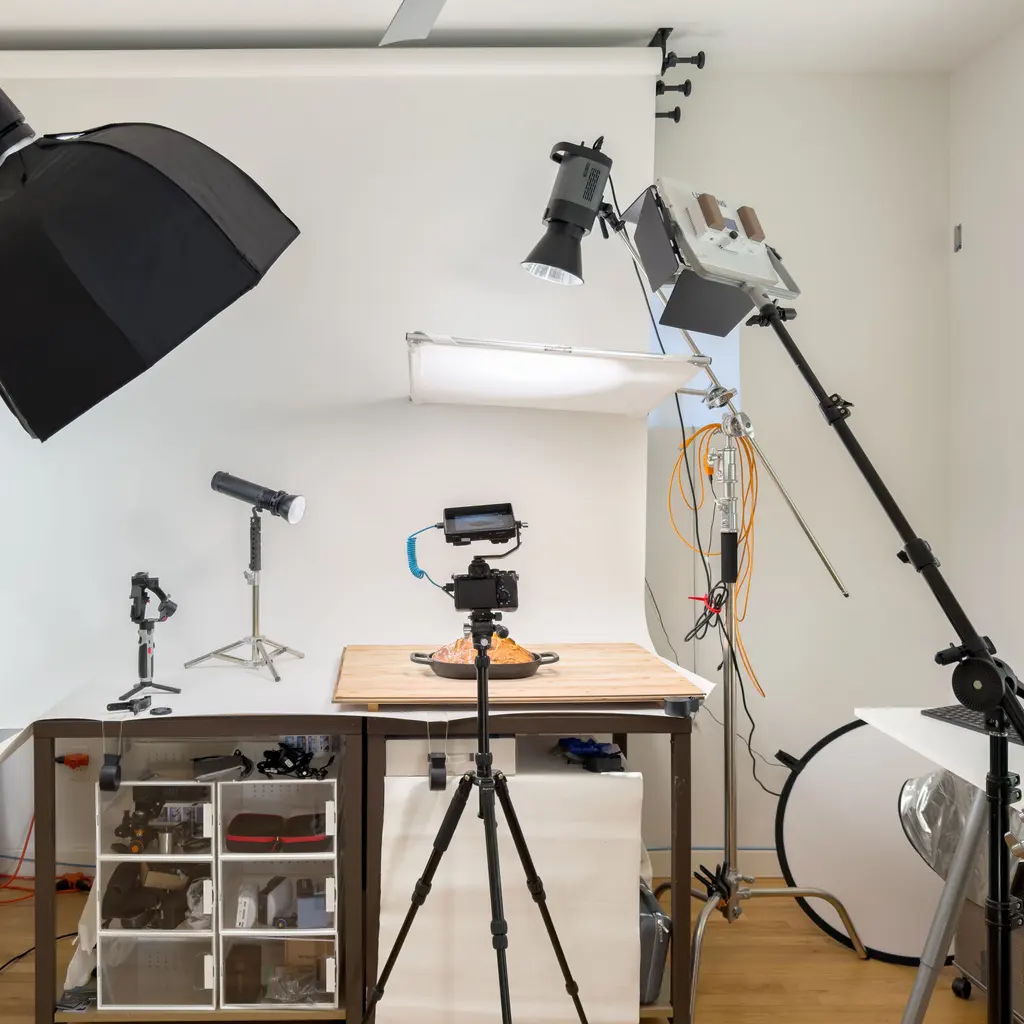
You capture images for commercial and editorial clients, often transporting expensive gear to various locations. A theft of your equipment, an injury to a visitor on your shoot, or a dispute over licensing rights can threaten your livelihood.
The Southern Agency can help you review your equipment usage and assignment work to select appropriate insurance, such as inland marine for your cameras and professional liability for your deliverables.
Cameras, lenses, lighting, and drones move constantly between studio, vehicle, and location, exposing them to drops, theft, and damage.
Lighting stands, cables, and rigging at shoots can cause trips, falls, or damage to a client's property or venue.
Card failure, file corruption, or a missed shot at a one-time event can leave a client without the deliverables they paid for.
Disagreements over licensing, usage scope, or use of others' likeness or work can lead to professional and media liability claims.
Driving to locations with loaded gear adds auto liability and increases the chance of equipment loss in transit.
Publishing images without proper releases can create right-of-publicity and privacy exposure.
Policies to ask about. Which ones fit depends on your operations, your contracts, and the carrier’s forms.
These hypothetical examples are not agency claim results. Whether a loss is covered depends on the facts, policy terms, and applicable exclusions.
A bag of lenses and a camera body are stolen during an outdoor shoot. Inland marine coverage may respond to the loss of gear on location, depending on policy terms and the circumstances. Check scheduled/rented property, location/territory, theft, and unattended-gear conditions.
A bystander trips over a lighting cable at a client event and is injured. General liability may respond to the resulting medical and liability costs, depending on policy terms and the facts. Review the insured shoot activities and responsibility for set safety; exclusions and the facts still determine whether a defense or payment is owed.
Memory cards fail and images from a one-time product launch are lost. A professional liability policy may respond to the resulting claim, subject to the specific policy, endorsements, and exclusions. Check insured services and lost-image terms; the photographer's refund or reshoot costs are not automatically covered.
Start with the work you do and the questions your current policies leave unanswered. Carrier options depend on your location, risk, and underwriting. Explore our approach.
Inland marine coverage is commonly used to protect cameras, lenses, and lighting on location and in transit, beyond what a basic property policy offers, subject to policy terms and underwriting.
General liability may respond to third-party injury or property damage at shoots and venues, such as a tripped cable or damaged property, depending on policy terms and the facts.
Describe the failure, promised deliverable and client financial allegation, then compare expressly accepted photography/lost-image terms. Replacing a memory card, reshooting or refunding your own fee is not automatically a covered client damage claim. A data policy also needs its own event and restoration terms.
Drone operations may require specific coverage or endorsements. We can help confirm your policy reflects drone use, since coverage depends on policy terms and underwriting.
Bring the actual venue/client's limits, indemnities and insured-status requests before the shoot. Compare them with issued policy terms and endorsements; a certificate records information but does not add coverage. Rental replacement promises, drones and media claims need separate review.
If you store client images, contact details, or payment data, cyber coverage may help with breach response and liability if that data is exposed, depending on policy terms.
Bring your questions, current policies, and relevant contracts. An agent can review coverage terms, exclusions, and the information carriers ask for, then explain the options available to you.