

Flawed compliance or policy advice
Guidance on employment law, classifications, or leave that proves incorrect can expose a client to penalties and the consultant to a claim.
Try a different word, or check the spelling.
Your recommendation about a client's employee is a different role from managing someone on your own payroll. Professional and employment protection should distinguish those capacities, with wage-hour advice, confidential personnel files, and workplace investigations reviewed on their actual scope.
The Southern Agency can compare your advisory and investigation work with accepted HR services, while reviewing client-record and own-staff employment risks.
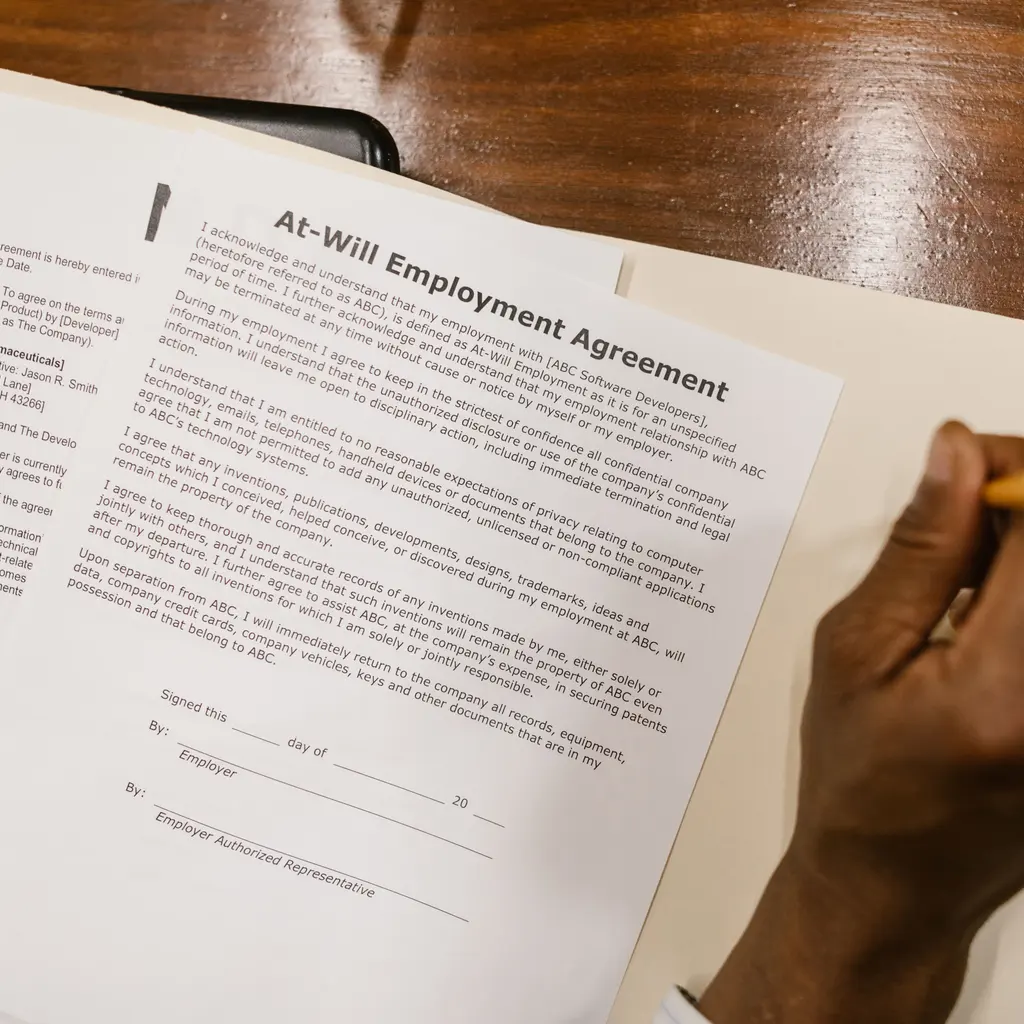
You advise clients on hiring, personnel policies or workplace investigations and may hold highly sensitive employee records. A client can blame your advice for a disputed employment decision; that is a different role from managing your own staff.
The Southern Agency can review your consulting procedures to help you select appropriate insurance. For example, we can help address your professional liability regarding HR advice and the cyber risks associated with the employee data you hold.
Guidance on employment law, classifications, or leave that proves incorrect can expose a client to penalties and the consultant to a claim.
Recommendations on terminations, discipline, or workplace investigations can be contested when an employee challenges the outcome.
Consultants handle Social Security numbers, payroll, and medical information that, if exposed, can lead to notification costs and liability.
As an employer itself, the firm faces wrongful termination, discrimination, and harassment claims from its own staff.
Handling sensitive personnel matters across multiple clients raises the risk of confidentiality lapses and conflict allegations.
A damaged workstation can interrupt client work, while an office visitor may be injured. Physical repair, lost project data and advisory claims require different policy terms.
Policies to ask about. Which ones fit depends on your operations, your contracts, and the carrier’s forms.
These hypothetical examples are not agency claim results. Whether a loss is covered depends on the facts, policy terms, and applicable exclusions.
A client follows the firm's termination advice and is later sued by the former employee, then pursues the consultant for the exposure. Professional liability may respond, depending on policy terms and the facts. Review insured HR services and employment/contractual exclusions; a client's full employee settlement or penalty is not automatically reimbursed.
A breach exposes client employees' Social Security numbers and payroll data, triggering notification and forensic costs. A cyber policy may respond, subject to the specific policy, endorsements, and exclusions. Response provider/consent terms and legal notification duties matter; agree with the client who coordinates affected employees.
One of the firm's employees alleges harassment and wrongful termination. EPLI may help with covered defense and damages when the employer, people and employment claim fit. Wages, benefits and other workplace payments need their actual loss and exclusion terms; the firm's own employment claim is separate from negligent advice given to a client about its staff.
Start with the work you do and the questions your current policies leave unanswered. Carrier options depend on your location, risk, and underwriting. Explore our approach.
Personnel decisions can lead to employment disputes, and a client may allege your advice caused its loss. Accepted HR E&O may help with covered defense and damages; the service, insured business, claimants and exclusions matter. That is different from your firm's liability as an employer.
No. E&O concerns covered allegations about insured advisory services; EPLI concerns covered employment claims against the insured employer and may have specific extensions. Review both and their exclusions rather than assuming either includes all client workforce disputes.
Firms handle Social Security numbers, payroll, and medical data. Cyber liability may help with breach response and liability if that information is exposed, depending on the specific policy.
A claim can allege negligent advice, but whether penalties, wages or benefits qualify as insured damages depends on wording and law. Review the client obligation separately from defense of the consultant.
Bring the client's actual request and compare limits, insured parties and post-project terms with accepted services and issued endorsements. A contract or certificate does not amend the policy or assure every condition can be arranged.
A BOP can combine office property and general liability. Check the actual policy and endorsements for any HR-advice or data-event protection, and review professional liability and cyber terms separately.
Bring your questions, current policies, and relevant contracts. An agent can review coverage terms, exclusions, and the information carriers ask for, then explain the options available to you.