Skip to content

Art And Antique Broker Insurance

An undamaged work can still come with disputed ownership, attribution or a buyer's demand to unwind the sale. Your art-broker protection should distinguish those opinions and transaction duties from physical fine-art cover, with actual custody and proceeds handled on their own terms.

The Southern Agency can help you align your coverage with the risks of handling, appraising and brokering valuable art.

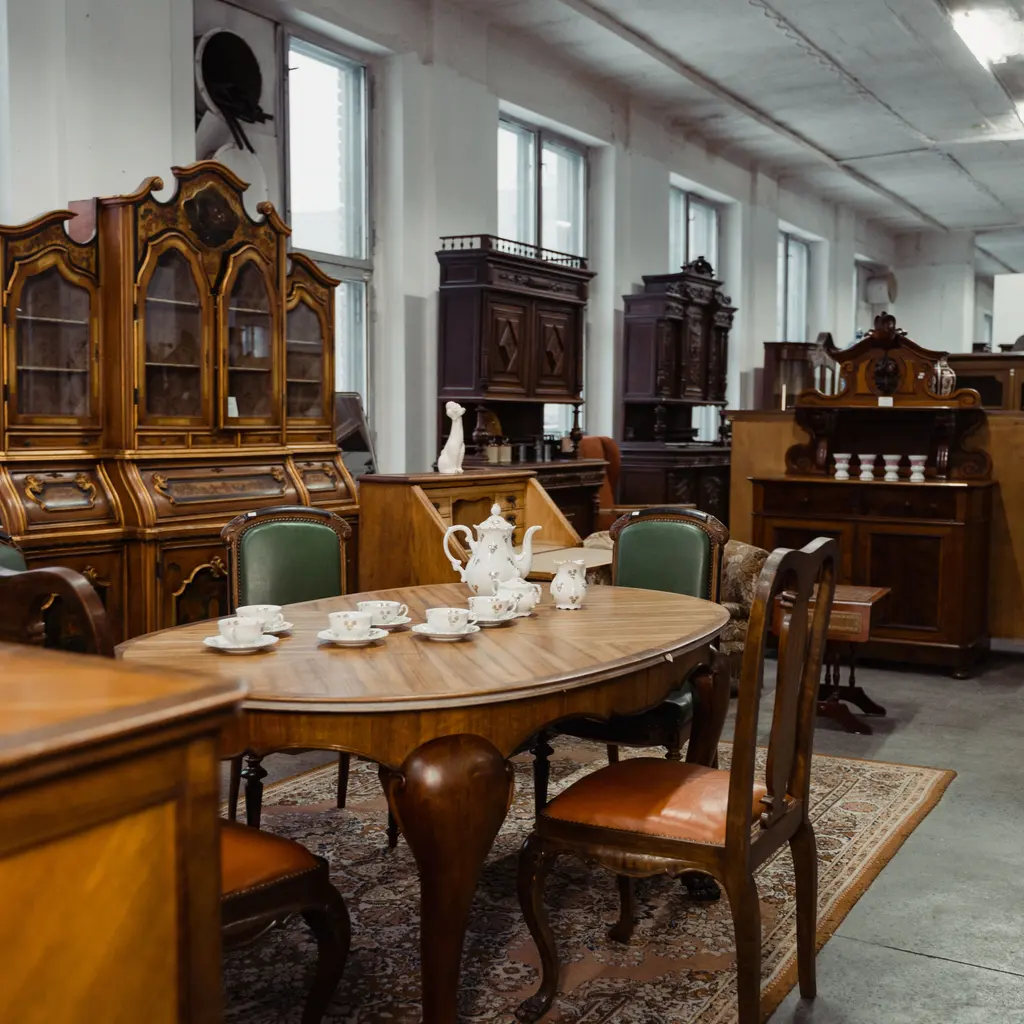
Antique wooden dining furniture, display cabinets and a tea service in a showroom.

Industry overview

You connect buyers and sellers of fine art, often arranging viewings, providing appraisals, or holding pieces on consignment. A damaged painting in your possession or a dispute over an object's authenticity can lead to significant financial exposure.

The Southern Agency can review your brokerage and appraisal activities to help you select appropriate insurance, such as fine-art property coverage for pieces in your custody or professional liability for authentication advice.

Risks worth discussing

Damage to art in care, custody, or control

Handling, packing, framing, or display can damage a client's work. Record condition and ownership at each handoff and compare direct fine-art property protection with liability for entrusted objects; custody alone does not establish either payment.

Loss or damage in transit

Works move to viewings, restorers, and buyers through different packers and carriers. Check loading, temporary storage, routes, locations, and the point when risk passes, not just the final delivery address.

Authentication and attribution errors

A buyer or seller may challenge the attribution, authentication method, or valuation you supplied. Identify the opinion, engagement, and claimed financial loss separately from a guarantee, refund or physical damage to the work.

Provenance and title disputes

Ownership history, forgery and restitution claims can disrupt a sale even when the object is undamaged. Professional-negligence allegations, a demand to unwind the sale and any offered defective-title protection need different terms reviewed.

Theft of consigned or stored pieces

Theft of a work held for a client needs the object, insured owner interest, location, and cause identified. Fine-art property and employee-dishonesty or other crime terms may cover different losses; an unexplained shortage is not proof of an insured theft.

Social-engineering and wire fraud

A false seller or buyer instruction can induce an authorized person to send proceeds to a criminal account. Trace whose money moved, authority, verification, and the specific transfer or social-engineering grant.

Client data and privacy exposure

Collector identities, transaction histories and payment records may be exposed through the broker or a provider. Compare actual response duties and eligible cyber expenses separately from missing proceeds and contractual confidentiality promises.

Situations to think through

These hypothetical examples are not agency claim results. Whether a loss is covered depends on the facts, policy terms, and applicable exclusions.

  1. Hypothetical: Painting damaged in transit

    A painting is dented during shipment to a buyer's viewing. Included fine-art transit protection may help pay eligible physical-damage repair under the policy's valuation terms. Check the owner interest, carrier, packing, route, and handling stage. A declared or agreed value does not mean the whole price is payable for this partial damage.

  2. Hypothetical: Disputed attribution

    A buyer alleges a work was misattributed and demands rescission. Professional terms that include the broker's authentication or attribution work may help defend a covered negligence allegation. The purchase price, fee refund, authenticity guarantee and obligation to unwind the sale need separate loss and exclusion review; the demand is financial, not proof of physical damage.

  3. Hypothetical: Wire-transfer fraud

    A broker follows a false instruction and wires sale proceeds to a criminal account. Purchased crime or social-engineering terms may reimburse eligible funds loss. Establish whose proceeds were insured, the authority and voluntary-payment provisions, verification, proof, limits and notice. Cyber response to an included system incident is a separate payment.

Before you talk to an agent

What to have ready

Tick items as you gather them. Nothing here is saved or sent.

Questions to raise

  • Compare the actual valuation basis for owned, consigned, loaned, and sold works with single-item and peak-location limits. Do not substitute one transaction price for every object or loss.
  • Trace packing, loading, storage, viewings, restorers, and delivery, identifying the owner and risk of loss at each handoff. Compare direct art property with a custodian's or carrier's legal liability.
  • Describe exactly which authentication, attribution, appraisal, and provenance services you perform or refer out. Compare potential covered defense and damages with service, title, guarantee, and refund restrictions rather than set professional limits from sale prices alone.
  • Map sale proceeds and changed payment instructions by owner and approver. Compare the largest exposed funds amount with insured interests and any separate social-engineering limit.
  • Keep condition reports, consignment agreements, and security arrangements with records of actual locations and movements. Those records help establish facts; they do not guarantee that a theft or damage claim will be paid.

Contract terms to check

  • Define who owns each work, who may sell it and what authentication, valuation, provenance or title opinion is being provided. Have qualified advisers review warranties, authenticity guarantees, restitution and rescission duties; an insurer or agent does not certify ownership or attribution.
  • Allocate packing, framing, restoration, storage, viewings, and delivery, including risk transfer, condition reports, loss valuation and authority for repair. Compare direct fine-art property with bailee and carrier liability rather than assume another party's policy protects the broker.
  • Identify who receives buyer money, holds deposits, and distributes proceeds, with approval of changed instructions and incident reporting. Compare the actual insured funds interest and fraud terms; a consignment agreement does not guarantee reimbursement of all client proceeds.
  • Bring actual venue, landlord, lender, consignor, and buyer insurance requests, including limits, insured status and indemnity. Identify any import or seller role and related responsibilities. Certificates and contract promises do not amend policies or assure matching available terms; purchased income protection also needs a covered trigger and its own time provisions.

What the agent conversation looks like

Start with the work you do and the questions your current policies leave unanswered. Carrier options depend on your location, risk, and underwriting. Explore our approach.

  1. ListenReview your operations, current coverage, and past claims.
  2. AssessIdentify potential hazards and discuss ways to reduce risk.
  3. BuildDiscuss policy and carrier options, premium costs, and audits.
  4. SupportReview changes and help you plan ahead as your needs develop.

Questions owners ask

Why isn't standard property coverage enough for fine art?

Read the actual art limits, valuation, theft, locations, and transit provisions alongside office property. Fine-art terms may include owned, loaned or consigned works and different valuation arrangements, but no single basis fits every transaction. Agree what is insured and how partial or total loss is valued rather than assume the full sale price is payable.

What does professional liability cover for a broker?

It may help defend a covered allegation about an art service the policy includes, such as an attribution or valuation opinion. Check actual services, claimants, exclusions and dates. An authenticity guarantee, refund, purchase price or title remedy is not necessarily the same insured damages; if the form is claims-made, prior work and claim reporting need attention.

Are consigned pieces in my care covered?

Included fine-art property terms may help pay eligible physical loss to client works, while bailee liability depends on the liability grant and facts. Identify the owner, value, location, handling or transit stage and cause. Entrustment or a consignment agreement alone does not establish either protection or full replacement value.

How are high-dollar transactions protected from fraud?

Identify whose money can be lost and who can approve a transfer. Compare employee theft, unauthorized account access and an authorized person following a false instruction with the actual crime or social-engineering terms. Verification, proof, discovery, notice, and limits remain important; controls or a cyber label do not assure repayment.

Does cyber coverage matter for a broker?

Collector records and payment details can create response costs and privacy or security claims after an incident. Compare the data, systems, and provider event with the protection and response conditions purchased. Investigation and liability differ from missing proceeds and every confidentiality promise.

What about disputes over provenance or title?

Identify whether the allegation concerns a negligent opinion, forgery, competing ownership or a demand to undo a sale. Check professional-services and loss exclusions separately from any specifically offered defective-title grant. Physical art coverage or an authenticity opinion does not establish that a title dispute, restitution or purchase-price refund is insured.

Talk through your art and antique broker coverage

Bring your questions, current policies, and relevant contracts. An agent can review coverage terms, exclusions, and the information carriers ask for, then explain the options available to you.

How can we help you get started?

Choose the quote that fits, and we’ll take it from there.

Have a question? Contact us