

Combine and spreading field fire
Harvest machinery and dry crop conditions can contribute to fire. The combine, standing wheat, harvested grain and neighboring property are different interests even when one fire affects them.
Try a different word, or check the spelling.
Harvest brings your machinery close to dry standing wheat and neighboring fields. Property protection and fire-related liability need to be considered separately.
The Southern Agency can help you review your unique farming operations to identify appropriate coverage for your harvest, machinery, and storage needs.
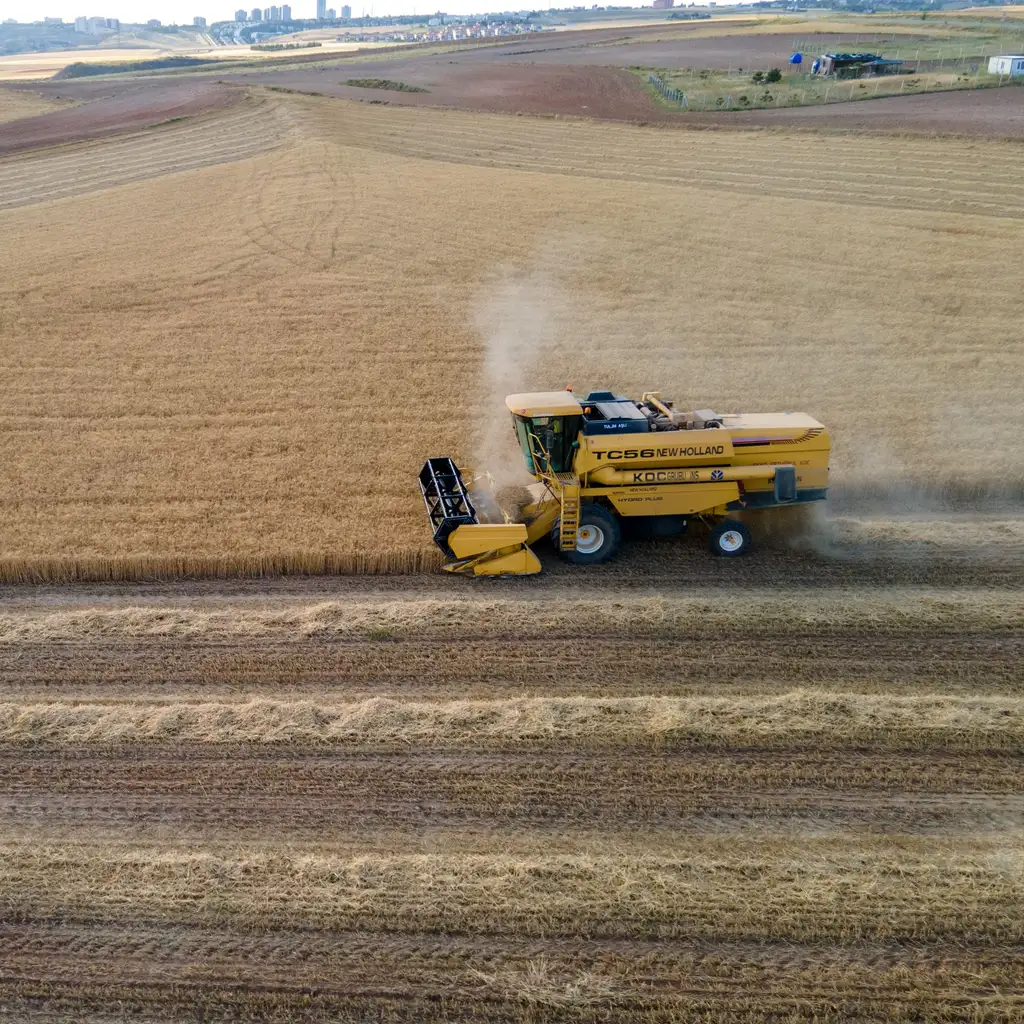
You harvest wheat for direct delivery or storage, using combines and handling equipment in a limited field window. A fire can damage the machine and spread to standing grain; where you dry or aerate wheat, a system failure creates a separate stored-lot question.
The Southern Agency can review your harvest cycle—from standing crops and machinery to stored grain and buyer commitments—to help you select appropriate insurance. For example, we can help distinguish between equipment breakdown coverage for an auger and physical damage coverage for your combine.
Harvest machinery and dry crop conditions can contribute to fire. The combine, standing wheat, harvested grain and neighboring property are different interests even when one fire affects them.
Combines, headers, carts, and tractors face fire, overturn, collision, and internal failure. Repair, substitute machinery and wheat left in the field involve different losses during the actual harvest window.
Moisture, pests or other deterioration can affect stored wheat; grain dust and ignition sources can create fire or explosion hazards. Finding damage in a bin does not establish a covered machine failure or the grain's condition when stored.
Where used, dryers, fans, controls, and handling systems can fail or lose their outside supply. Machine damage, affected wheat and delivery delay require their own causes and conditions.
Augers, moving machinery, falls, and bin engulfment or confined-space hazards require task-specific review. Identify actual operators and helpers and use qualified safety advice; insurance does not make bin entry or clearing equipment safe.
Actual fuel, fertilizer, and herbicide storage or application can lead to releases, drift or contamination allegations. Identify sites and operators and distinguish the farm's own crop from damage claimed by others and cleanup.
Policies to ask about. Which ones fit depends on your operations, your contracts, and the carrier’s forms.
These hypothetical examples are not agency claim results. Whether a loss is covered depends on the facts, policy terms, and applicable exclusions.
Hypothetical: a combine burns while cutting wheat. Applicable equipment terms may address the machine and covered fire cause at the insured valuation. The header, substitute rental, standing crop, spreading fire, and missed buyer delivery need separate terms; a machine payment does not establish all harvest losses.
Hypothetical: an aeration fan fails and a stored lot later deteriorates. Eligible breakdown terms may address the fan, while wheat payment needs included stock, cause, condition, and limits. Establish harvest and storage history; prior sprouting, ordinary deterioration, buyer quality deductions and reconditioning charges are not automatically part of a repair claim.
Hypothetical: a helper is injured at an auger during grain handling. Applicable workers compensation may address benefits under the actual employer, work state, and policy. Farm liability, a seasonal designation or an outside crew's certificate does not determine every injury response; qualified machinery and grain-safety planning remains necessary.
Start with the work you do and the questions your current policies leave unanswered. Carrier options depend on your location, risk, and underwriting. Explore our approach.
Compare the combine and header, causes, valuation, field, and road use and hired units. Repair, substitute rental, standing wheat, customer work, and delayed income need separate terms. Fire protection does not establish internal-breakdown or every completion cost.
No. It is a wheat-quality measure, not proof of a covered cause. Review the buyer's requirement and sampling with harvest and storage condition and timing. Compare any proposed crop or stored-stock terms separately; a deduction or rejection alone does not establish payment.
Confirm grain ownership, locations, peak values and valuation separately from the bin. Outside storage and a provider's liability terms may differ from direct property protection for your wheat. Moisture, pests, deterioration, fire, and other causes also need their own review.
Not automatically. Check eligible machinery and failure, wear, and outside-power conditions, then stock ownership, prior condition, included spoilage, and limits. Temporary conditioning, buyer deductions, missed delivery, and income need separate terms.
Separate machine damage, standing wheat, harvested lots, and neighboring property. Actual crop and liability interests, causes, custody, and work exclusions need review alongside equipment terms. Payment for the combine does not establish all those losses or program eligibility.
Identify actual employers, tasks, work states, and payroll, including custom crews and driving. Confirm duties and worker benefits separately from qualified bin, dust, and machinery-safety planning. A farm label or contractor certificate does not establish every worker's protection or make a task safe.
Bring your questions, current policies, and relevant contracts. An agent can review coverage terms, exclusions, and the information carriers ask for, then explain the options available to you.