

Equipment damage in the field
Combines and headers face fire, rollover, and mechanical failure while running, and a loss at peak season can halt the contract.
Try a different word, or check the spelling.
Your next customer may be waiting while the combines move from another farm. Insurance needs to account for those moves and the distinction between your machines and a grower's crop.
The Southern Agency can help compare your custom-work agreements and machine schedules, including any hauling, drying or storage responsibilities you accept.
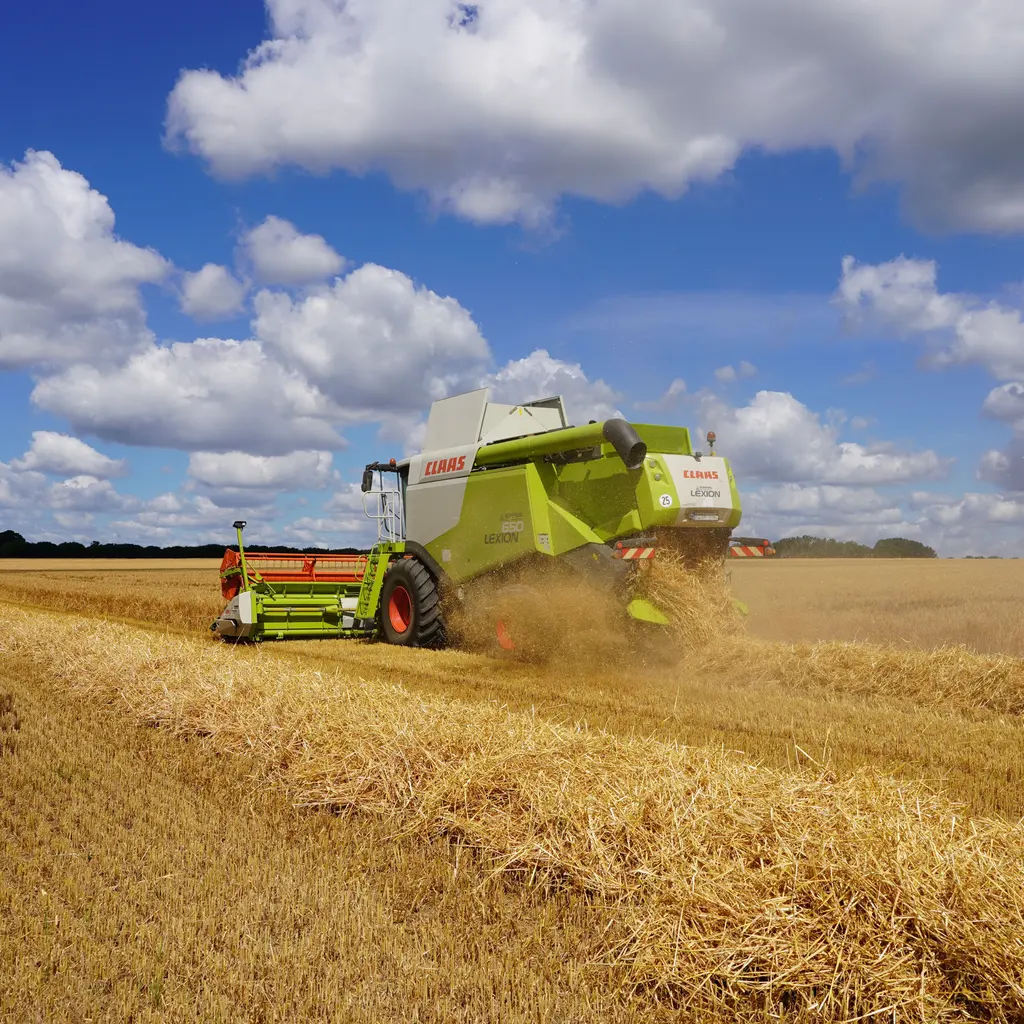
You operate machinery like combines and grain carts to harvest crops, which may include hauling, drying, or storing for your customers. A fire in a combine or a transit accident during a site move can interrupt your work and damage the equipment or the customer's crop.
The Southern Agency can review your fleet, crops and work agreements to help you select insurance. We can discuss mobile-equipment protection alongside any drying or storage services, keeping damage to the machinery separate from loss of customer grain.
Combines and headers face fire, rollover, and mechanical failure while running, and a loss at peak season can halt the contract.
Hauling combines and grain carts on highways and rural roads exposes the equipment to collision, overturn, and road damage.
Handling a grower's harvested crop creates exposure for loss or damage to product while it is in the contractor's custody.
Sparks and hot equipment in dry standing crops can ignite fires that spread across the field and to neighboring land.
Long hours near augers, headers, and moving parts expose operators and helpers to entanglement, crush, and fatigue-related injuries.
A failure during the short harvest window can delay or cost a contract and create downtime and crop-loss disputes.
Policies to ask about. Which ones fit depends on your operations, your contracts, and the carrier’s forms.
These hypothetical examples are not agency claim results. Whether a loss is covered depends on the facts, policy terms, and applicable exclusions.
Hypothetical: a combine fire damages the machine, the grower's crop being harvested, and a neighboring field. Equipment and liability terms must be checked separately. Crop custody and property-being-worked-on exclusions can matter even when neighboring damage is covered; a machine payment does not establish customer yield or contract-loss payment.
Hypothetical: a trailer carrying a header overturns between jobs. Selected auto physical-damage terms may address eligible vehicle/trailer damage and equipment terms may address the header if ownership, transit, cause, and territory are included. Neither establishes every cargo, recovery, substitute-rental, or missed-job cost.
Hypothetical: a helper is injured at a grain-cart auger. Applicable workers compensation may address benefits under the actual employment arrangement, work state, and policy. A seasonal or subcontractor label, customer contract, or liability certificate does not establish that worker's coverage.
Start with the work you do and the questions your current policies leave unanswered. Carrier options depend on your location, risk, and underwriting. Explore our approach.
Confirm actual services, receipts, territory, machinery, crews and exclusions. Incidental paid work and a full custom-harvest operation should not be treated as interchangeable; own-farm crop cover does not establish customer-crop protection.
Not automatically. Review the crop being worked on, harvested goods in custody, hauling/storage and neighboring property separately, including exclusions and any specific customer-property terms. Contract responsibility and policy coverage are different questions.
Check actual mobile-machine eligibility and failure causes as well as external damage. Repair, rental, extra expense, income and customer yield or late-completion claims need separate terms; a stopped machine is not proof of covered breakdown.
Identify the vehicle/trailer, machinery owner, transporter, route, loading and recovery responsibilities. Auto liability/selected physical damage and equipment or cargo terms address different interests; confirm the required transit and territory provisions.
Separate machine damage, the crop being cut, harvested crop and neighboring land. Check actual fire causes, custody/work exclusions, operations and limits. A payment under one part of the program does not establish every grower or neighbor claim.
Identify employers, operators/helpers/drivers, labor suppliers and work states. Seasonal or agricultural status, an independent-contractor clause, and a customer's certificate do not alone resolve compensation obligations or coverage.
Bring your questions, current policies, and relevant contracts. An agent can review coverage terms, exclusions, and the information carriers ask for, then explain the options available to you.