

Access damage and exclusion repairs
Roof, ceiling or crawl-space work can damage building components or contents. Planned openings, accidental damage, work being performed and the cost of redoing an exclusion repair are not the same loss.
Try a different word, or check the spelling.
A customer wants the animal out, but your job may also involve an opening, an exclusion repair or contaminated material. Your insurance needs to match the work you actually agree to perform.
Call with the services you offer, from trapping to exclusion repairs, and any insurance requirements from property managers.
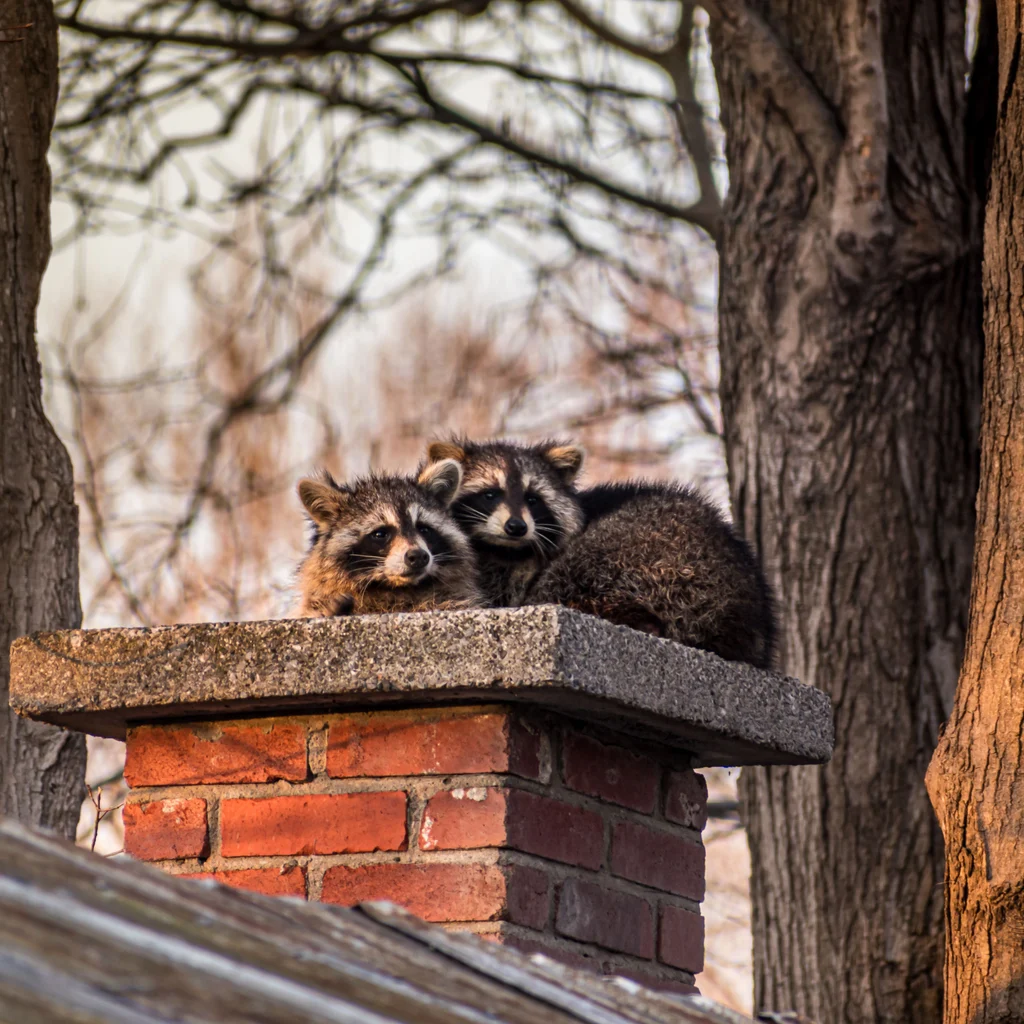
You may need ladders, roof access or openings in walls and ceilings to remove an animal from a building. A damaged wire or a bite can leave your trapping business facing a claim, even when the removal itself goes to plan.
Tell The Southern Agency which animals you handle and whether you also do exclusion repairs or cleanup. We can review liability for customer property, protection for traps left on site and worker injuries, including where contamination work needs separate coverage.
Roof, ceiling or crawl-space work can damage building components or contents. Planned openings, accidental damage, work being performed and the cost of redoing an exclusion repair are not the same loss.
An animal being handled or a trap left at a site can lead to injury or property-damage allegations. Identify the species, occupants and actual method; a worker's bite and a bystander's claim need different policy review.
Disturbing contaminated material, including accumulations of bird or bat droppings, can create exposure concerns for workers and others nearby. Known conditions, removal work and a subsequent contamination allegation need separate facts and qualified health or safety review.
Ladders, roofs, attic access, and crawl-space work can involve falls, strains, and other injuries. Identify tasks and access arrangements, including repairs or cleanup carried out by another firm.
Travel between jobs creates road exposure, while traps, cameras, and ladders may be at a customer site or in a vehicle. Vehicle damage, carried tools and third-party injury are different interests.
Carcass removal, any transport or release, and actual repellents or disinfectants create permission, disposal and contamination questions. A customer's instruction does not establish that a method is permitted or that routine disposal and every regulatory cost are insured.
Policies to ask about. Which ones fit depends on your operations, your contracts, and the carrier’s forms.
These hypothetical examples are not agency claim results. Whether a loss is covered depends on the facts, policy terms, and applicable exclusions.
While opening a ceiling to reach a raccoon, a technician accidentally damages wiring. General liability may help with the resulting property-damage claim. The agreed cost of opening and restoring the ceiling is part of the job and needs to be considered separately.
A technician falls while installing an exclusion device on a roof. Workers compensation may provide medical and wage benefits for the employee. If you work alone or use subcontractors, discuss who is doing the work and how their injuries would be handled.
After bat-dropping removal, a homeowner alleges that dust spread into occupied rooms. Environmental liability needs to include the cleanup activity and the material involved to help with such a claim. Routine removal and the cost of correcting your own work may be treated differently.
Start with the work you do and the questions your current policies leave unanswered. Carrier options depend on your location, risk, and underwriting. Explore our approach.
Not by itself. A bill may include accidental damage, agreed ceiling restoration or a return visit under your guarantee. Liability coverage treats those differently. Ask how the policy handles property being worked on and damage discovered after the job.
It needs to be checked for your operation. The policy's treatment of biological material, existing contamination and reporting matters. Routine removal or redoing your cleanup is different from a claim that contamination spread. Get qualified safety and cleanup advice as well.
No. A customer's injury generally raises a liability question, while an employee's injury is considered under workers compensation. A working owner's injury needs its own review. Tell the agent which animals you handle and who does the work.
Ask whether your equipment coverage includes unattended traps and cameras at customer sites. Give replacement values and explain how long they stay and how they are secured. Vehicle insurance alone should not be relied on for this equipment.
No. Confirm the species, method, transport, and final disposition rules with the relevant authority. A customer's permission or an insurance certificate does not extend your wildlife permissions.
No. Higher limits do not automatically include an excluded cleanup activity. Check that the work is covered by the underlying and excess policies. Tool losses also need separate equipment protection.
Bring your questions, current policies, and relevant contracts. An agent can review coverage terms, exclusions, and the information carriers ask for, then explain the options available to you.