Skip to content

Exterminating And Pest Control Service Insurance

Customers expect your treatment to solve the pest problem, and may ask you to return if it does not. That service promise is different from liability for an application that injures someone or damages property.

The Southern Agency can help you manage the risks of chemical application and mobile service operations through targeted insurance coverage.

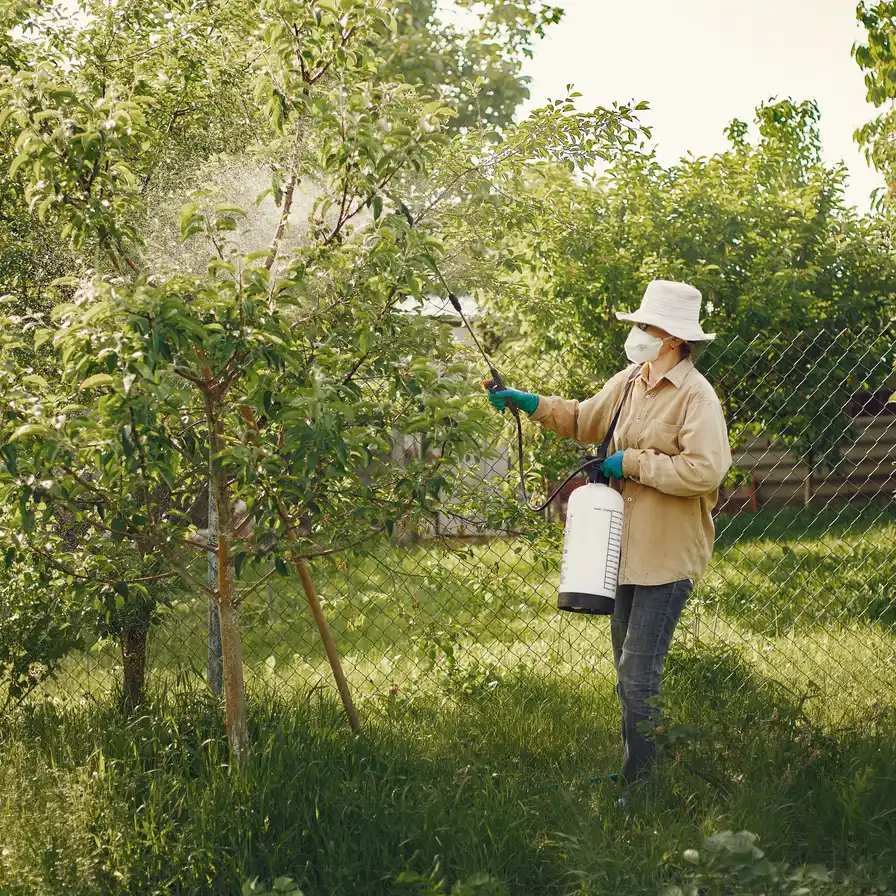
A gloved worker using a pressure sprayer on garden trees.

Industry overview

You provide inspections, pesticide application, fumigation, and other treatments at residential or commercial sites. Working with chemicals in occupied spaces creates risks, as a misapplication or a failure in treatment can result in both property damage and pollution-related claims.

The Southern Agency can review your chemical usage, application methods, and mobile equipment to help you select appropriate insurance. We can discuss how environmental coverage for pollution liability fits alongside property coverage for your shop equipment and vehicle insurance for your service trucks.

Risks worth discussing

Pesticide misapplication and pollution

The wrong product, excess application or drift can affect occupants, pets and neighboring property. Compare the actual treatment and alleged harm with application and pollution terms; not every misapplication is an insured pollution event, and cleanup is separate from injury liability.

Treatment failure and re-infestation

A customer may report returning termites or bed bugs and demand another treatment or repairs. A missed inspection, existing infestation and new resulting damage can receive different treatment from refunds or the work promised under your guarantee.

Vehicle accidents with chemicals aboard

A truck rollover can injure others, damage the vehicle and release chemicals. Road liability, selected vehicle damage, transit pollution, tools and chemical stock need separate terms, including the actual carriage and loading activities.

Customer property damage

Application work or equipment can damage floors, furnishings or landscaping. Distinguish the surface being treated from resulting damage elsewhere, and confirm who authorized the work. Custody and worked-on-property exclusions can limit the response.

Technician injury and chemical exposure

Chemical contact, lifting, ladders and attic or crawlspace access can injure technicians. Describe actual tasks and safety arrangements with qualified advice; a space's name alone does not classify its hazards. Worker status, employer and work state affect the benefits review.

Theft of equipment and chemicals

Sprayers, foggers and chemicals move between the shop, vehicles and jobs. Ownership, off-site values and security affect theft protection. Missing stock, damaged equipment and cleanup after a release are not automatically one insured property loss.

Situations to think through

These hypothetical examples are not agency claim results. Whether a loss is covered depends on the facts, policy terms, and applicable exclusions.

  1. Hypothetical: Pesticide overapplication

    Excess pesticide is applied inside a home and occupants report illness and surface damage. Pest-specific liability or pollution terms may address covered defense and liability, with remediation only where included. The product, application method, treated property, alleged harm and reporting terms determine the review; a complaint alone does not establish coverage.

  2. Hypothetical: Truck rollover with a chemical spill

    A service truck overturns and spills pesticide along a roadway. Transit-pollution terms may address covered response costs and third-party pollution claims. Review carriage, loading, reporting and response permissions separately from auto liability and vehicle repairs; truck physical damage does not itself insure the sprayer or chemical load.

  3. Hypothetical: Failed termite treatment

    A homeowner reports new structural damage after a guaranteed termite treatment. Pest-control liability or an appropriate professional extension may address a covered claim for resulting damage. Compare the treatment records, earlier infestation and alleged error; repeating treatment, refunds and every promised repair are not automatically insured.

Before you talk to an agent

What to have ready

Tick items as you gather them. Nothing here is saved or sent.

Questions to raise

  • Are inspection, termite treatment, fumigation and any outside applicators included? Compare professional, application and pollution terms for actual products and occupied sites, including jobsite work, completed treatments, shop storage, transit and disposal.
  • Do road and spill limits fit the quantities carried and loading methods, not just the truck's value? Review the vehicle, tools, chemical stock and cleanup as separate interests.
  • Do scheduled or broader tool limits include rented, borrowed and mounted equipment at jobs or in vehicles? Check theft and storage conditions; wear, breakdown, unexplained shortages and interruption are separate questions.
  • Confirm company and applicator permissions for each product, method and jurisdiction with the appropriate authority. Compare regulatory duties and client requests with the policy's own conditions, dates and reporting deadlines; one credential does not settle them all.

Contract terms to check

  • Define inspected and treated areas, known conditions, access, occupant and pet information, and preparation instructions. State what guarantees, return visits and repair or refund promises include; customer consent does not insure every application or failed outcome.
  • Allocate product selection, outside-provider work, records, incident cooperation, storage, carriage and disposal duties. Have qualified advice establish regulatory and response requirements; a provider certificate or indemnity does not amend your own coverage.
  • Set procedures for keys, alarm information and secured rooms, including return and access duties. Compare theft, rekey, fidelity or bond requests with the relevant terms; an accusation or unsupervised access does not establish covered theft or every replacement cost.
  • Check client, landlord, lender and rental requests for insured parties, limits, waivers and endorsements before committing. A GL certificate is not proof of application, professional, pollution or transit protection, and insurance does not establish regulatory compliance.

What the agent conversation looks like

Start with the work you do and the questions your current policies leave unanswered. Carrier options depend on your location, risk, and underwriting. Explore our approach.

  1. ListenReview your operations, current coverage, and past claims.
  2. AssessIdentify potential hazards and discuss ways to reduce risk.
  3. BuildDiscuss policy and carrier options, premium costs, and audits.
  4. SupportReview changes and help you plan ahead as your needs develop.

Questions owners ask

Does general liability cover pesticide pollution?

Not automatically. Review pest-specific application and pollution terms for the actual product, method, site and alleged harm. Injury liability and remediation can have different grants, dates and limits. Check completed work, treated property, storage, transit, existing conditions and response permissions rather than relying on the policy title.

Why does a pest control company need commercial auto?

Your service trucks create road liability away from the shop. Review vehicles, drivers and use for that protection and any selected vehicle damage. Loading, unloading, chemical releases, cleanup and carried equipment need separate terms; they do not automatically follow the truck's limit.

Is my spraying and fogging equipment covered away from the shop?

Inland marine may address covered loss to included mobile gear. Review owned and rented equipment, attachments, transit and storage against scheduled or broader tool limits. Check unattended-vehicle conditions and mounted items; chemical stock, wear and breakdown are separate questions.

What if a treatment fails and the infestation returns?

Compare the inspection and treatment records, earlier conditions and new damage with the claim. Pest-specific liability or professional terms may address covered defense and resulting damage. Repeated visits, refunds, prior infestation and guaranteed repairs are not automatically included; the service, exclusions and reporting dates matter.

Do my technicians need workers' compensation?

Review actual employers, worker status, payroll and work states alongside chemical contact, height, lifting, access and driving tasks. Workers compensation can provide benefits for eligible work injuries. Owners, helpers and outside firms need their arrangements checked; an applicator credential or contractor label does not settle the answer.

Talk through your exterminating and pest control service coverage

Bring your questions, current policies, and relevant contracts. An agent can review coverage terms, exclusions, and the information carriers ask for, then explain the options available to you.

How can we help you get started?

Choose the quote that fits, and we’ll take it from there.

Have a question? Contact us