Skip to content

Boat Dealer Insurance

Taking a prospect on a sea trial puts your stock on the water with a customer aboard. That is a different insurance question from storing the same boat in your yard.

The Southern Agency can help compare your shore and afloat operations, peak boat values and customer responsibilities with actual marine insurance terms.

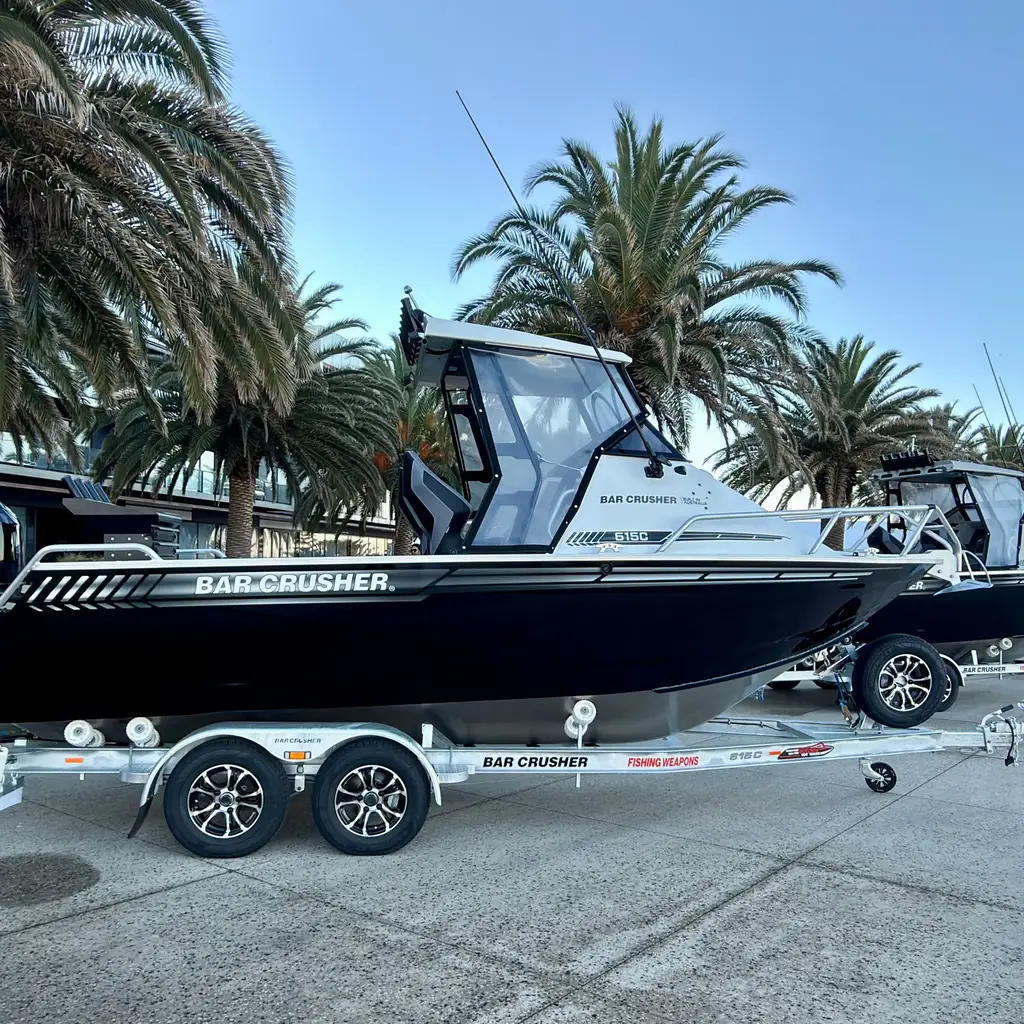
Outboard fishing boats displayed in a row on trailers.

Industry overview

You sell boats that may move from yard to hoist, trailer and sea trial before handoff. Dealer stock, trade-ins and customer boats held for work put different property and liability interests in your care.

The Southern Agency can review your dealership’s marine operations to help you select appropriate insurance. For example, we can help evaluate if your marine liability coverage appropriately extends to your sea trials and customer vessel-handling responsibilities.

Risks worth discussing

Boats damaged across land and water stages

Collision, grounding, sinking, theft, or weather can affect boats before sale or delivery. Identify ownership, value, site, and use, including road transport, and demonstrations; dealer stock and customer boats held for service are different interests.

Passenger and third-party trial claims

A demonstration can involve injury to prospects or staff and damage to another boat or dock. Liability for those claims is separate from damage to the demo boat, with actual operators, waters, and use needing review.

Multiple boats affected by one storm

Wind, surge or flood can affect a yard, racks, moorings, and buildings in one event. Peak values, location concentrations, cause, deductibles and any applicable storm conditions need separate attention rather than a single weather assumption.

Rigging or installed-system allegations

An engine, electronic system or rigging job alleged to have failed can lead to injury or damage after delivery. Resulting harm, the failed component, correcting installation, and a warranty promise are different losses.

Lifting, launch, and road-handling losses

Hoists, forklifts, tow vehicles or trailers can be involved in a dropped or damaged boat and worker injury. Separate the boat, handling equipment, road vehicle, and people involved, including outside operators.

Fuel, fluids, and contamination

Actual fueling, engine work, storage or waste handling can release fuel or oil to land or water. Identify source, location, and condition; routine disposal, cleanup liability, third-party claims, and assumed restoration need different review.

Deposits, transaction errors, and data

Sales or finance records and deposits can be involved in data exposure, a misdirected payment or a transaction dispute. The cost of responding to a data breach, missing funds and financial loss from a paperwork error need separate review.

Coverage worth discussing

Policies to ask about. Which ones fit depends on your operations, your contracts, and the carrier’s forms.

Situations to think through

These hypothetical examples are not agency claim results. Whether a loss is covered depends on the facts, policy terms, and applicable exclusions.

  1. Hypothetical: Sea trial damages a dock and injures a prospect

    Hypothetical: a demo boat strikes another party's dock and a prospect is injured. Applicable marine watercraft liability may address covered injury and dock-damage claims if the operator, waters, and use fit the terms. Damage to the dealer's boat requires its own stock or hull terms; a premises or road-auto limit does not establish all three losses.

  2. Hypothetical: Storm surge damages boats awaiting sale

    Hypothetical: surge from a named storm damages several boats in the yard. Applicable marine dealer inventory physical-damage terms may address covered boat loss if the cause, locations, and interests fit, subject to storm, event-limit, and deductible provisions. Buildings, docks, customer craft, and interrupted sales require separate scope; a generic inland-marine or building heading does not prove surge protection.

  3. Hypothetical: Installed navigation system and a grounding claim

    Hypothetical: a buyer alleges a dealer-installed navigation system failed and contributed to a grounding that damaged the boat. Applicable marine products or completed-work liability may address a covered resulting-damage claim and defense, subject to declared work and property or work restrictions. Replacing the unit, correcting installation, and honoring a warranty are separate costs.

Before you talk to an agent

What to have ready

Tick items as you gather them. Nothing here is saved or sent.

Questions to raise

  • Trace each boat from receipt or trade-in through storage, rigging, launch, demonstration, and delivery. Identify owner, financed or consigned interest, maximum value, and when responsibility changes. Compare actual marine inventory or hull locations, uses, and valuation with customer-vessel handling or repair terms; physical damage and legal responsibility are different bases.
  • Describe demonstrations by craft type, operator, waters, participants, and any outside help. Compare marine liability with stock or hull damage and employee or crew injury arrangements. Customer consent, a trial agreement or a road-dealer policy does not by itself establish every on-water interest.
  • Total peak boats and other property at each yard, rack, mooring, or outside storage site. Read wind, flood, surge and named-storm terms, event limits, deductibles, and any applicable movement or protection conditions. Separate the cost of precautionary relocation, access interruption, and lost sales from actual covered damage.
  • Define rigging, commissioning, engine or electronics work, repairs, and winter storage as offered. Identify customer-owned boats and providers, the property worked on, return work, and warranties. Compare product or completed-work liability with customer-vessel interests rather than assume a stock schedule includes all service responsibility.
  • Describe lifts, forklifts, vehicles, trailers, fuel, fluids, waste, and actual worker locations. Compare equipment damage, boat handling, road transit, pollution, and state or maritime worker terms. Bring deposit, finance or data responsibilities separately; property and marine liability do not establish every missing payment or transaction-error loss.

Contract terms to check

  • Read stock finance, manufacturer or supplier and consignment agreements for ownership, valuation, delivery, loss responsibility, required interests, and limits. Compare shore and afloat stock, demonstrations, transport, and storm conditions with actual marine terms. A lender's or brand's request does not make an auto open-lot or generic equipment form fit boats.
  • For trials and deliveries, define the boat, operator, permitted use, waters, participants, transport, and handoff responsibilities. Review releases, indemnity, and requested endorsements with actual liability and physical-damage terms. An authorization or waiver is not proof every passenger, boat, or alleged loss is covered.
  • Define commissioning, rigging, repairs, storage and haul-out work, condition records, outside providers, warranties, and return-work promises. Allocate responsibility for customer craft, lifts, launch, transport, and spills. Compare the owner's, dealer's and provider's policies rather than rely only on certificates or assume every failed job is insured damage.
  • Compare property, dock or berth leases, equipment or vehicle finance, deposit and transaction terms with actual insured interests and endorsements. Verify any applicable dealer licensing or bond condition for the jurisdiction and lines sold rather than importing car-dealer rules. Keep private insurance and restoration promises separate from applicable worker, marine-operating, road, privacy, and environmental duties.

What the agent conversation looks like

Start with the work you do and the questions your current policies leave unanswered. Carrier options depend on your location, risk, and underwriting. Explore our approach.

  1. ListenReview your operations, current coverage, and past claims.
  2. AssessIdentify potential hazards and discuss ways to reduce risk.
  3. BuildDiscuss policy and carrier options, premium costs, and audits.
  4. SupportReview changes and help you plan ahead as your needs develop.

Questions owners ask

Does an inland-marine heading prove my boats are covered afloat?

No. Ask expressly about actual marine dealer inventory or hull terms, ownership, locations, storage, demonstrations, and transport. Mobile equipment, road transit, and boat stock can have different arrangements. The name does not establish afloat stock, trial liability, or customer boats held for work.

What interests are involved in a sea trial accident?

Separate prospect or third-party injury, another party's property, damage to the demo boat and worker or crew injury. Compare actual marine liability, stock or hull and worker terms with the operator, craft, waters, and use. Permission to run a trial does not establish all of those protections.

Does a boat-stock limit include every storm or surge loss?

Check the actual cause, each site and interest, event limits, deductibles, and any applicable storm or movement conditions. Buildings, docks, customer craft, precautionary relocation, and lost sales can differ. Ask about availability and terms for the actual sites and exposure.

Does product liability pay to redo rigging or electronics work?

Resulting injury or damage can involve marine products or completed-work terms if the declared service and facts fit. Replacing the failed component, correcting the work, warranty, and other performance promises are separate questions. Identify customer-boat and worked-on property interests expressly.

Does environmental insurance include every spill at the dealership?

Review fueling, tanks, engine or waste work, operators, site, water exposure and known conditions under actual premises, contractor, or marine terms. Cleanup, third-party claims, routine disposal, regulatory costs, and restoration commitments need separate review; a provider certificate is not a guarantee of the dealer's own protection.

Does business auto include the trailered boat and the launch?

Compare the truck, trailer, boat, loading, road transit and water handoff separately by owner, operator, and cause. Vehicle liability and selected physical damage do not establish boat-stock or cargo terms, launch handling, afloat use, or every outside hauler responsibility.

Talk through your boat dealer coverage

Bring your questions, current policies, and relevant contracts. An agent can review coverage terms, exclusions, and the information carriers ask for, then explain the options available to you.

How can we help you get started?

Choose the quote that fits, and we’ll take it from there.

Have a question? Contact us