Skip to content

RV And Camper Sale Insurance

Your handover may include showing a buyer how the slide-outs, appliances, and propane systems work. Coverage for those demonstrations and any service work is different from simply insuring a vehicle on the lot.

The Southern Agency can help you review your RV dealership risks, including complex system services and walkthrough-related liability.

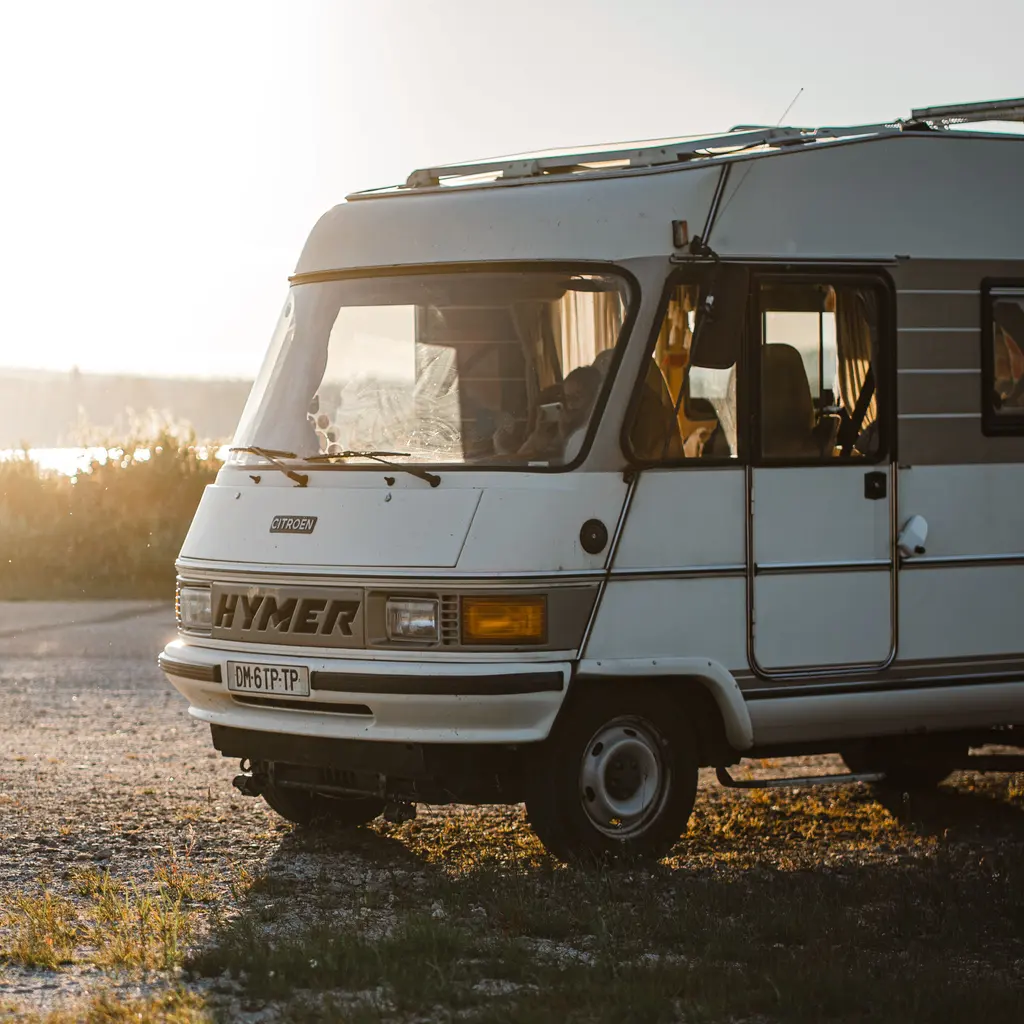
An older motorhome parked on gravel in low evening sunlight.

Industry overview

You sell motorized and towable units that feature complex onboard systems, where an issue with propane, electricity, or winterization can lead to significant liability. Guiding customers through these units adds further responsibilities to your daily operations.

The Southern Agency can review your sales, repair, and demonstration activities to help you select appropriate insurance. For example, we can help assess whether your product liability coverage appropriately accounts for the specialized system maintenance you perform on RVs.

Risks worth discussing

Multiple units damaged or stolen

A storm or theft can affect dealer stock, demos or customer units at a lot, storage or transport site. Identify motorized and towable units, owners, installed values, and causes. Review roof or panel repairs, water entry and interrupted sales separately.

Propane fire and generator exhaust allegations

Propane is flammable, and gas-system work can be alleged to have caused a fire or explosion. Fuel-burning generator exhaust can expose people to carbon monoxide. Identify actual equipment and who supplies, installs, or services it, including outside specialists.

Walkthrough and handover injuries

Steps, interiors and slide-outs can be involved in a visitor's fall or pinch injury. Identify actual access, staff demonstrations, customer handover, and any outside event; the fact that someone was injured does not itself establish dealer liability.

Installed or serviced systems cause damage

Appliances, electrical or water systems and roof or winterizing work may be alleged to have caused later harm. The failed component, correcting work, resulting injury or damage, gradual deterioration, and warranty responsibilities need different facts and terms.

Driving, towing and transport accidents

A motorhome road test, towable movement or delivery can damage a unit or injure others. Operators, tow vehicles, trailers, routes, loading, custody, and outside carriers matter; an insured truck does not establish every unit being moved.

Roof, systems and handling work injuries

Roof access, work on gas or electrical systems, slide-outs, generators, lifting and transport can involve falls, burns, or strain injuries. Identify actual tasks, employers and work states for prep staff, technicians, drivers, and outside providers.

Coverage worth discussing

Policies to ask about. Which ones fit depends on your operations, your contracts, and the carrier’s forms.

Related coverage guides

Situations to think through

These hypothetical examples are not agency claim results. Whether a loss is covered depends on the facts, policy terms, and applicable exclusions.

  1. Hypothetical: Fire after propane-appliance service

    Hypothetical: a propane appliance serviced by the dealer is alleged to have caused a fire after delivery, damaging the customer's RV and other property. Applicable product or completed-work liability may address a covered property-damage claim and defense if the actual work and damage fit. The serviced component, correcting work, warranty, and damage to the RV itself need their actual terms; a fire allegation does not establish every repair cost.

  2. Hypothetical: Customer injured during a walkthrough

    Hypothetical: a visitor falls while descending a motorhome's steps and alleges the dealer failed to provide safe access. Applicable premises liability may address a covered injury claim and defense, subject to the facts, activity, and parties. The fall alone does not establish liability or every medical benefit, and damage to the unit is a separate interest.

  3. Hypothetical: Hail damages dealer-owned towables

    Hypothetical: hail damages roofs and panels on several towable units held for sale. Applicable dealer RV physical-damage terms may address covered stock damage if the units, locations, and cause fit. Values, deductibles and storm terms matter; customer campers, later water damage and lost sales are not established by a showroom or stock-repair payment.

Before you talk to an agent

What to have ready

Tick items as you gather them. Nothing here is saved or sent.

Questions to raise

  • List motorhomes, fifth wheels, travel trailers, and other actual lines with owners, values, sites, and uses. Separate dealer stock, financed or consigned units, demos and customer campers held for work. Compare seasonal peak values, storm accumulation, deductibles, and valuation, including fitted systems, outside storage, and transport.
  • Define who supplies, installs, services, inspects, and accepts propane, generator, electrical, water, appliance, roof, or winterizing work. Keep relevant instructions, available work and condition records and provider terms. Compare injury or damage after service with the component, rework, warranty, deterioration, and damage while the customer's unit is in custody.
  • Describe walkthrough access, steps, slide-outs, staff demonstrations, and handover practices, including any outside show or event. Compare visitor injury and alleged dealer conduct with the actual premises, dealer, and event terms. A signed walkthrough or acceptance form does not itself settle liability or guarantee that a system is safe.
  • Map actual motorhome road tests, towable movements, delivery, drivers, tow vehicles, trailers, and outside carriers. Check applicable operator and road conditions for the actual units and uses. If units are rented or used as loaners, identify those activities expressly instead of treating them as ordinary sales demonstrations.
  • Review actual roof, systems and transport workers, employers and work states alongside potential visitor, road, and fire claims. Compare primary and excess scope and limits with those losses and private requests. Seasonal demand, inventory price and a provider certificate are not substitutes for reviewing who and what is actually insured.

Contract terms to check

  • Define sale condition, fitted equipment, walkthrough, delivery, and acceptance responsibilities, including actual instructions and warranties. For service or winterizing, specify the authorized work and who supplies, performs and accepts it. A signed handover does not establish immunity, safe operation or insurance for every system defect.
  • Allocate customer-unit custody, specialist work, loading, towing, and transport among the dealer, customer, and providers. Compare damage responsibility, indemnity and requested interests with actual dealer, customer-unit, product, and road terms. A carrier or specialist certificate does not amend the policy or guarantee reimbursement.
  • Compare actual manufacturer, financed or consigned inventory and property-lease requests with motorized and towable stock, fitted values, sites and uses. Distinguish a lender's property interest from requested landlord liability status and check the actual endorsements. No private minimum establishes every storm or customer-camper loss.
  • Review sales, title, finance, or data-provider duties separately from physical damage and product claims. Check actual licensing, bond, worker, road and relevant service or event conditions for the operation and jurisdiction, rather than assuming a dealer label answers them. Additional rental or loaner terms need explicit review where those uses are offered.

What the agent conversation looks like

Start with the work you do and the questions your current policies leave unanswered. Carrier options depend on your location, risk, and underwriting. Explore our approach.

  1. ListenReview your operations, current coverage, and past claims.
  2. AssessIdentify potential hazards and discuss ways to reduce risk.
  3. BuildDiscuss policy and carrier options, premium costs, and audits.
  4. SupportReview changes and help you plan ahead as your needs develop.

Questions owners ask

Are motorhomes and towable campers treated the same?

Describe the actual units, owners, values and uses and compare the issued dealer, physical-damage, and road terms. A motorhome demonstration, towing a travel trailer and holding a customer's camper for work involve different operations. A building or tow-truck policy does not establish all of those interests.

Does product liability pay every propane or appliance repair?

A covered claim for resulting injury or damage differs from the failed component, correcting work, warranty, and deterioration. Describe actual equipment and work, providers and custody timing, then compare product, completed-work, and customer-unit terms. Insurance does not establish technical competence or that a system is safe.

Does a signed walkthrough form settle an injury claim?

Review the actual access, demonstration, alleged conduct, and premises or dealer terms. Permission, acceptance and releases can have different effects and do not guarantee immunity, payment or every visitor's benefits. Do not infer insured injury liability solely because a customer fell inside a unit.

Does hail coverage also settle later roof leakage or lost sales?

Identify the units, owners, location, cause, and timing, including whether water damage follows the event or another condition. Compare actual dealer physical-damage, valuation, storm, and income terms. Payment for a covered roof or panel repair does not by itself determine gradual leakage, customer-unit damage, or sales interruption.

Is a motorhome test drive the same as rental or delivery?

A customer trip, dealer demonstration and delivery can involve different operators, duration, and custody. Describe those uses, permissions, and routes expressly, then compare actual liability and physical-damage terms. A sales demo does not establish every rental, loaner, towable, or customer-unit interest.

Do more liability limits protect the full stock value?

Excess liability and damage to owned inventory are different interests. Compare plausible visitor, road and service losses with underlying and excess scope, defense, and limits, and review dealer stock separately. A coach's purchase price alone does not determine adequate liability limits or cover excluded systems work.

Talk through your rv and camper sale coverage

Bring your questions, current policies, and relevant contracts. An agent can review coverage terms, exclusions, and the information carriers ask for, then explain the options available to you.

How can we help you get started?

Choose the quote that fits, and we’ll take it from there.

Have a question? Contact us