

Driving and towing
Unfamiliar size or towing can contribute to crashes.
Try a different word, or check the spelling.
A towable camper and a motorhome put different vehicles and towing arrangements into your rental agreement. Fleet and lot protection need that actual setup, with roofs, slide-outs and onboard systems considered separately from slow leakage, ordinary upkeep, or pickup-premises liability.
Bring motorhome and trailer values, renter-driver rules, towing or delivery arrangements, travel territories and inspection records.
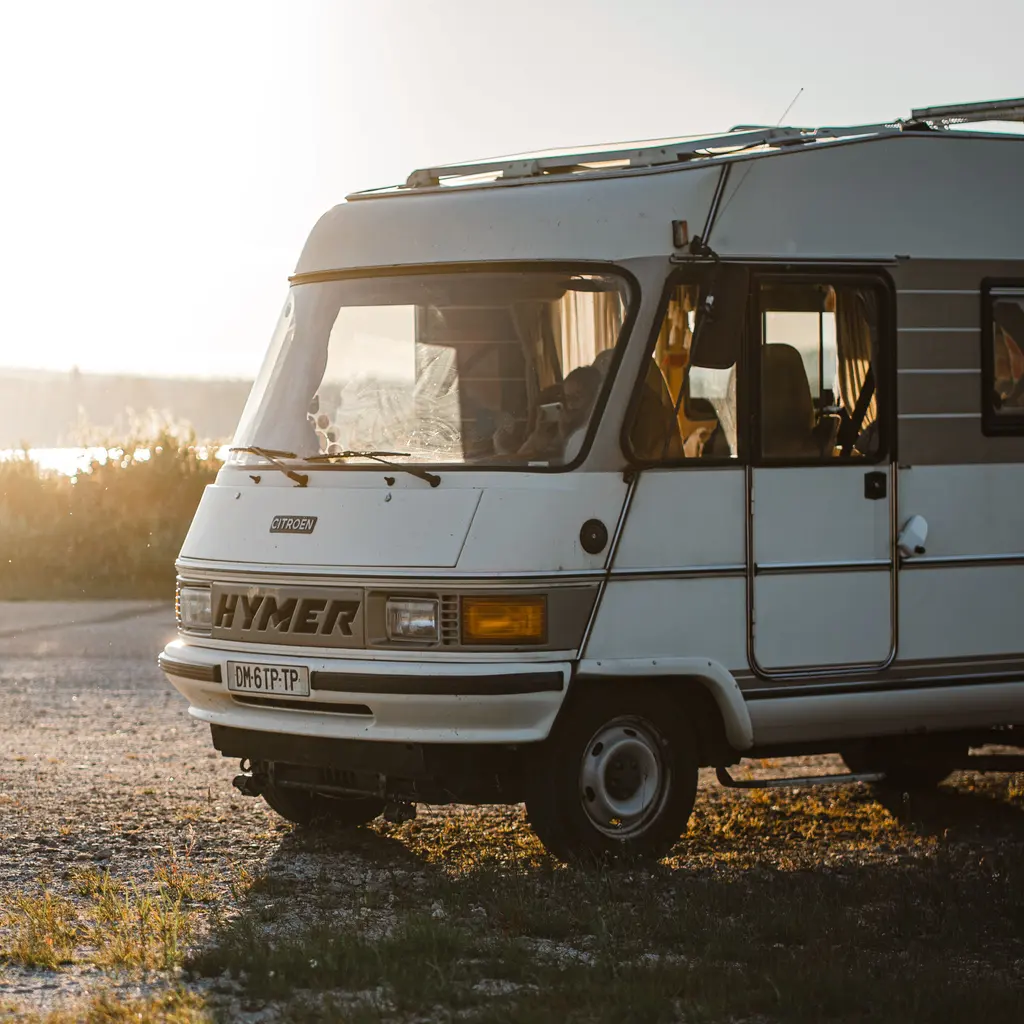
You supply motorhomes or towable campers for trips away from your base. A clearance strike can damage a roof, while an onboard fire can affect both the rental unit and its occupants.
The Southern Agency can review your fleet and preparation process to help you select appropriate insurance. For example, we can determine how your auto coverage handles towing arrangements for campers versus how your garage liability covers your lot activities.
Unfamiliar size or towing can contribute to crashes.
Roofs and slide-outs can be struck or damaged.
Propane, plumbing, and electrical failures can cause resulting loss.
Slow leakage and sudden damage may receive different treatment.
Preparation crews and booking information create separate interests.
Policies to ask about. Which ones fit depends on your operations, your contracts, and the carrier’s forms.
These hypothetical examples are not agency claim results. Whether a loss is covered depends on the facts, policy terms, and applicable exclusions.
A renter could roll a motorhome while traveling away from your base. Review accepted rental use, driver, territory and actual liability interests alongside unit physical damage and occupant claims. A rental waiver or driver's personal policy does not settle policy priority or insure every party.
An onboard appliance could cause a fire that damages a camper and injures an occupant. Accepted fire damage, injury responsibility and internal mechanical repair are separate questions. Include actual motorized or towable use and unit systems; a fleet policy is not a warranty for every vacation breakdown.
Cause, duration, and water exclusions determine possible payment.
Start with the work you do and the questions your current policies leave unanswered. Carrier options depend on your location, risk, and underwriting. Explore our approach.
Rental use and insured parties must be explicit; renter and business interests differ.
Resulting damage, internal breakdown, and wear are different questions for onboard systems.
Hidden or gradual leakage may be excluded even if discovered on return.
License and payment records create privacy duties.
Worker status, accepted duties, and applicable rules govern benefits.
Compatible excess may add limits for covered rental activities; availability is not assumed.
Bring your questions, current policies, and relevant contracts. An agent can review coverage terms, exclusions, and the information carriers ask for, then explain the options available to you.