Skip to content

Armored Car Service Insurance

The money in your vehicle belongs to someone who expects it to arrive intact. Coverage for those valuables needs to address custody and handoffs separately from the armored vehicle and crew.

The Southern Agency can help you match your transport and security operations with appropriate coverage options.

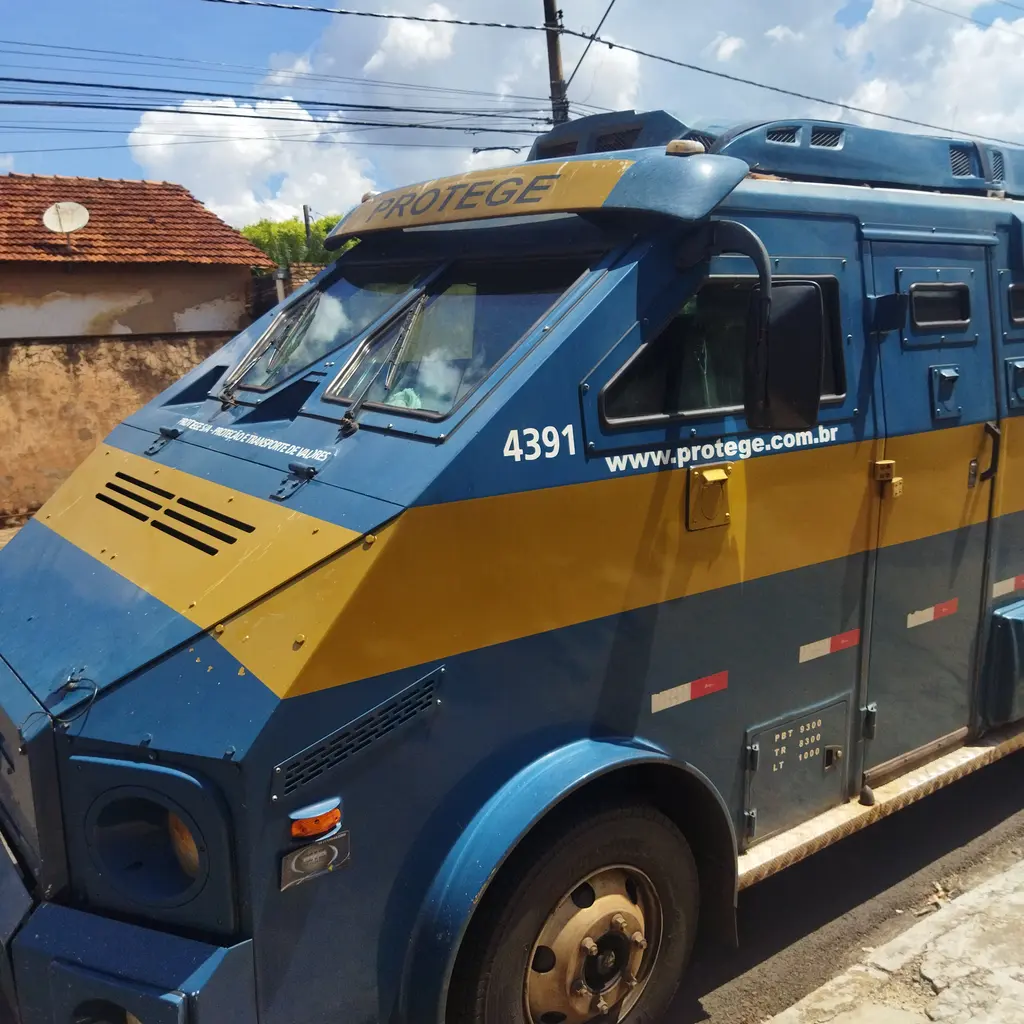
An armored cash-in-transit truck parked on a street.

Industry overview

You provide transport for cash, checks, and other high-value items for banks and retail customers. Handling these valuables, whether during ATM servicing or transit, creates risks if a robbery occurs, an employee steals funds, or a guard uses force.

The Southern Agency can help you evaluate your security arrangements and transport procedures to select appropriate insurance. We can clarify how your coverage applies to cash-in-transit versus vehicle physical damage or third-party liability claims during an armored delivery.

Risks worth discussing

Armed robbery during pickups and deliveries

Cash or valuables can be taken and people injured during collection, carrying, loading, or delivery. Identify when custody starts and ends and which property, people, and locations the policy includes. Payment for client cash does not itself establish crew benefits or liability for another person's injury.

In-transit cargo loss

A loss can occur in a vehicle, at a handoff or during temporary custody. Compare the actual money or valuables insured, values, transit, and storage definitions and causes. A generic cargo policy or unexplained shortage is not proof of a covered cash-in-transit loss.

Employee theft and collusion

An employee or collaborator may take funds or alter records. Describe insured people, property owners, access, and actual conduct, with available reconciliation and investigation records. A short count or theft allegation alone does not establish the amount or every element of a covered employee-theft loss.

Vehicle collisions involving heavy armored trucks

A collision can injure another road user, damage the armored vehicle, and affect the valuables carried. Identify vehicles, drivers, modifications, and uses. Auto liability, selected vehicle damage, client funds and interrupted routes require their own terms rather than one assumed response.

Crew injuries from weight, weapons, and assault

Handling bags or equipment, vehicle movement, assault, and any firearms duties can injure crews. Identify actual employers, worker roles, work states, and outside providers. A guard title, vehicle policy or client certificate does not determine every worker's status or benefits.

Contractual liability to banks and retailers

A service agreement may allocate custody, valuation, shortages, subcontracting, and loss-reporting duties, plus requested limits or endorsements. Compare what the firm promises with the actual insured interest and conditions. Contractual reimbursement or service credits are not proof of a payable policy loss.

Firearms and use-of-force claims

Force, a weapon discharge or alleged failure to protect can result in claims against personnel and the firm. Declare the actual armed or unarmed duties and people, then review accepted services, conduct, and defense terms. Legal authority, training, and insurance response are separate questions.

Coverage worth discussing

Policies to ask about. Which ones fit depends on your operations, your contracts, and the carrier’s forms.

Situations to think through

These hypothetical examples are not agency claim results. Whether a loss is covered depends on the facts, policy terms, and applicable exclusions.

  1. Hypothetical: Curbside robbery loss

    Hypothetical: a crew member carrying a client's deposit to the vehicle is robbed and the cash is taken. Applicable express cash-in-transit, specie or other money terms may address a covered loss if the property, custody stage, people, and location fit. Limits, valuation, reporting, and security conditions matter; a generic cargo label or client reimbursement promise does not establish payment. Crew injury is a separate worker-benefit question.

  2. Hypothetical: Armored truck collision

    Hypothetical: an armored vehicle collides with another car at an intersection and injures its driver. Applicable business auto liability may address a covered injury or damage claim and defense, subject to the driver, vehicle, use, facts, and limits. Damage to the armored vehicle, client cash, and the cost of interrupted deliveries need their own terms, not an inference from liability cover.

  3. Hypothetical: Internal cash shortage

    Hypothetical: reconciliations reveal repeated shortages and an investigation identifies an employee taking client funds. Applicable employee-theft crime terms may address a covered money loss if the insured person, property interest, conduct, and timing fit, subject to limits, notice, and proof. A short count alone does not establish theft or its amount; customer service credits and every unexplained discrepancy are not established by that grant.

Before you talk to an agent

What to have ready

Tick items as you gather them. Nothing here is saved or sent.

Questions to raise

  • Compare average and peak values at collection, in each vehicle and at any counting or storage location. One client's minimum limit may be well below the combined value at risk.
  • Trace who owns the funds and when your custody starts and ends, including ATM handling and subcontracted transport. Check direct money protection separately from liability for client losses.
  • Explain who can access funds and records, how you reconcile counts and how discrepancies are investigated. Employee theft, unexplained shortages and misdirected transfers can fall under different crime provisions and reporting periods.
  • Bring bank, retailer and ATM agreements so the agent can compare valuation, liability, bonding and notice requests with the policies. Additional-insured liability status is different from direct protection for client valuables.
  • Describe armed assignments, supervision and protective work beyond transport. Review firearms, assault, defense and excess terms; legal authority and required qualifications need separate professional advice.

Contract terms to check

  • Define when you receive and release client valuables, who counts them and how discrepancies or incidents are reported. Include processors, ATM operators and storage providers so custody does not become unclear at a handoff.
  • Compare agreed values, reimbursement duties and liability caps with insured client-money interests and limits. Missed-pickup credits, equipment repair and correction of an account are different obligations from replacing stolen cash.
  • Clarify each request for additional-insured status, waivers or bonding. Direct protection for client money differs from liability status; bonding might mean fidelity protection or a specified surety instrument. Compare the actual forms, not just certificates.
  • For subcontracted guards, transport or storage, identify the people, entities, custody stages and reporting duties each party's insurance accepts. A provider's certificate does not replace your own protection.
  • Describe armed assignments and supervision in both service agreements and insurance applications. Have qualified advisers review authority and applicable weapons, security, transport and worker requirements separately from coverage.

What the agent conversation looks like

Start with the work you do and the questions your current policies leave unanswered. Carrier options depend on your location, risk, and underwriting. Explore our approach.

  1. ListenReview your operations, current coverage, and past claims.
  2. AssessIdentify potential hazards and discuss ways to reduce risk.
  3. BuildDiscuss policy and carrier options, premium costs, and audits.
  4. SupportReview changes and help you plan ahead as your needs develop.

Questions owners ask

What makes armored car insurance different from regular trucking insurance?

Cash, coin, checks and other valuables often need express cash-in-transit or specie terms rather than ordinary freight cargo. Those terms should follow client ownership through collection, handoffs and storage. Vehicle damage, crew injury and liability remain separate parts of the review.

How is cash in custody covered?

Start with whose money it is and when you take responsibility, including counting, ATM work and temporary storage. Compare direct money protection with legal liability, limits and security conditions. A custody receipt defines duties but does not itself insure the funds or every disappearance.

Are employee theft losses covered?

Crime terms may cover employee theft if the people and client or company property are included. Discovery dates, reporting and proof matter: a short count alone does not establish that an employee stole the money or how much was taken.

Do client contracts dictate our limits?

A client can set contractual minimums, but compare them with the combined valuables at risk and possible liability. Bring its requested forms and endorsements for review. A certificate does not change coverage or make a limit adequate for every route.

Does workers' compensation apply to armed guards?

Applicable workers' compensation may provide benefits for a qualifying employee injury, including on an armed assignment. Disclose the employer, work states and guard or driver duties. Outside guards need their own status review; client cash and third-party force claims are not employee benefits.

Is liability from a guard using force covered?

Check accepted security services, personnel, assault, firearms and conduct wording, including defense and excess terms. Declaring armed work does not remove an exclusion. Legal authority to use force needs qualified advice and is separate from whether a particular claim is insured.

Talk through your armored car service coverage

Bring your questions, current policies, and relevant contracts. An agent can review coverage terms, exclusions, and the information carriers ask for, then explain the options available to you.

How can we help you get started?

Choose the quote that fits, and we’ll take it from there.

Have a question? Contact us