Skip to content

Carpet And Upholstery Cleaning Service Insurance

The fabric you are treating belongs to your customer, while the extractor may be fitted to your van. Those are different insurance interests even though they come together on every cleaning job.

The Southern Agency can help you align your insurance with your specialized cleaning equipment and on-site service risks.

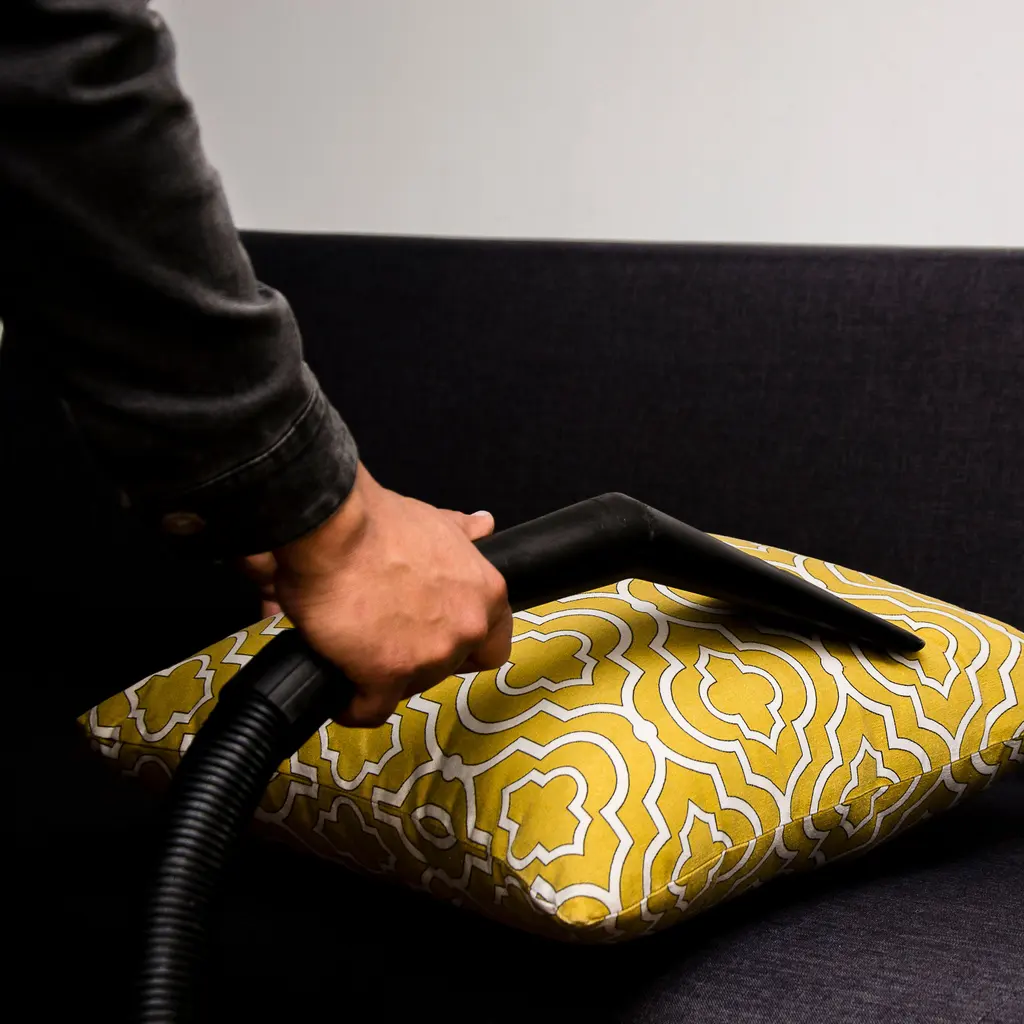
Vacuuming a patterned cushion on a sofa.

Industry overview

You use specialized equipment like truck-mounted extractors and chemicals to clean fabrics in homes and offices. Using high-heat, moisture, and cleaning agents creates specific risks if a surface is damaged, a hose causes a slip-and-fall, or an extractor is stolen.

The Southern Agency can help you evaluate your cleaning methods and equipment to determine the best insurance approach. We can clarify how your coverage treats the items you are currently cleaning versus your mobile cleaning gear and vehicle-mounted machinery.

Risks worth discussing

Damage to customer flooring and furnishings

Treatment can stain, shrink or otherwise damage a rug, upholstery or surrounding finish. Identify the material, existing condition, method, and actual damage. Check property being cleaned or held, resulting damage elsewhere, valuation, and workmanship terms; a replacement demand is not proof all costs are insured.

Overwetting, mold, and odor complaints

Remaining moisture can contribute to mold problems and later complaints. Record drying arrangements, site conditions, work, and notice dates and the alleged source of damage. Moisture damage, mold, odor, cleanup, and redoing the service may have different terms; neither a complaint nor a pollution heading establishes every payment.

Chemical spills and pollution exposure

A cleaning-product spill can affect surfaces, occupants or drains. Disclose the products, application, storage, transport, and disposal involved. Review actual pollution definitions, declared operations, and damage or cleanup terms separately from ordinary cleaning damage; not every chemical incident fits the same insuring agreement.

Slip-and-fall around wet work areas

A customer or occupant can trip over a hose or enter a wet work area. Identify who controls access and communicates conditions. Third-party liability and any medical payments depend on the facts and terms; worker injury and damage to the cleaned item are separate interests.

Theft or damage of mobile equipment

Portable and truck-mounted extractors, wands and tools can be stolen or damaged at a site, in transit or in storage. Identify ownership, values, installation, and locations. Theft, collision, unexplained disappearance, wear, and breakdown need their actual treatment checked; insuring the van alone does not establish payment for all its equipment.

Crew injuries from lifting and hot water

Moving furniture, hauling hoses and using heated equipment can lead to strains, burns or falls. Identify the actual employer, worker duties, payroll, and work states, including outside crews. A small-crew or contractor label does not settle status, benefits, or liability to an injured customer.

Auto accidents traveling between jobs

A service vehicle collision can injure someone, damage another vehicle, and damage the van or extractor. Compare covered road liability, selected vehicle physical damage, and equipment interests. Identify actual vehicles, drivers, and business use, including hired or employee vehicles if used; one policy title does not establish every part of the loss.

Coverage worth discussing

Policies to ask about. Which ones fit depends on your operations, your contracts, and the carrier’s forms.

Situations to think through

These hypothetical examples are not agency claim results. Whether a loss is covered depends on the facts, policy terms, and applicable exclusions.

  1. Hypothetical: Shrunken wool rug

    Hypothetical: an antique wool rug shrinks and discolors after cleaning, and the customer demands replacement. Applicable general liability with terms addressing property being cleaned, or express customer-property cover, may help pay covered physical damage. Check the rug, process, cause, and valuation; a standard liability title does not establish the cleaned item, redoing the work or the customer's entire claimed value is included.

  2. Hypothetical: Overwet carpet leads to mold

    Hypothetical: a homeowner later alleges moisture left after cleaning caused mold and demands cleanup and replacement. Applicable environmental liability that includes the cleaning operations and mold may address covered injury, damage, or cleanup. Check cause, known conditions, damage, and reporting dates, response permissions, and limits. An odor complaint, a guarantee to reclean or a general pollution heading does not establish all those payments.

  3. Hypothetical: Stolen truck-mounted unit

    Hypothetical: a parked service van is broken into overnight and its extractor is stolen. Included inland marine equipment or applicable auto physical-damage terms may help pay the covered equipment loss, depending on how the mounted unit is insured. Check its declared value, theft conditions, location, and deductible separately from damage to the van. Do not assume both policies pay for the same item or that replacement automatically includes lost bookings.

Before you talk to an agent

What to have ready

Tick items as you gather them. Nothing here is saved or sent.

Questions to raise

  • Compare possible injury and damage with the homes, commercial spaces, finishes, and customer items involved, not just the cleaning fee. Read applicable limits and actual cleaning operations. Damage to the rug being treated can require different terms from damage to another room or a customer's fall.
  • Inventory portable and mounted extractors, wands, and tools with ownership and values, including hired or employee equipment. Check individual schedules and broader tool limits, transport, and overnight storage. Coordinate the mounted unit's treatment with auto rather than assuming every item must be individually scheduled or is included with the van.
  • Describe products, methods, storage, waste handling, and transport and any actual mold or remedial work. Review pollution and fungi terms, known conditions, and who can authorize response costs. Do not treat every stain, damp carpet or recleaning promise as a pollution loss or assume a general policy includes all cleanup.
  • Review service vehicles, drivers, travel, and actual hired or employee vehicle use against road liability, physical damage, and client requests. Identify any vehicle-mounted installation separately. A vehicle limit is not proof of cover for tools, crew injury, treatment damage, or every chemical release.
  • Read how policies treat property being worked on, held, moved, or taken away, including any processing, valuation, and completed-work terms. Use representative rug or upholstery jobs and agreements, with existing condition, drying arrangements, and follow-up responsibilities. A general-liability or customer-property heading alone does not settle all workmanship, mold and claimed-value questions.

Contract terms to check

  • Record the materials, areas, and service ordered, existing condition and authorization to move furniture, treat additional surfaces or take items away. Compare replacement, recleaning, and other promises with actual property and workmanship terms. Customer approval does not make every damaged item or remedy an insured loss.
  • Agree access and drying arrangements, responsibility for communicating conditions, and whom to contact about dampness, odor, or later damage. Preserve work and complaint information and check applicable policy notice and response permissions. A promise to dry or reclean is not the same as insurance for every later mold or odor cost.
  • Allocate product handling, storage, transport, and waste responsibilities for the actual job and any outside provider. Review applicable requirements and qualifications separately from environmental insurance. A cleaning agreement, pollution title, or provider certificate does not itself authorize every remedial operation or fund every cleanup.
  • Compare client requests for limits, additional-insured status, waivers, and completed-work terms with actual policies and endorsements. Identify the customer, manager and other requested parties before relying on a certificate; client requirements and applicable law are different from what an insurer agrees to cover.
  • Identify outside crews and who supervises, reports damage, and controls keys or codes, including return and any rekeying responsibility. Read actual crime, fidelity or specified-bond requests and the instrument's parties and conditions. A theft accusation, missing key or bonded label does not establish payment, and a provider's insurance does not settle every obligation of the cleaning firm.

What the agent conversation looks like

Start with the work you do and the questions your current policies leave unanswered. Carrier options depend on your location, risk, and underwriting. Explore our approach.

  1. ListenReview your operations, current coverage, and past claims.
  2. AssessIdentify potential hazards and discuss ways to reduce risk.
  3. BuildDiscuss policy and carrier options, premium costs, and audits.
  4. SupportReview changes and help you plan ahead as your needs develop.

Questions owners ask

What coverage protects me if I damage a customer's carpet?

Check the actual cleaning work and treatment of property being worked on or held. Applicable liability or express customer-property terms may address covered damage, but the cleaned item, damage elsewhere, and doing the work again can require different analysis. Review cause, workmanship and valuation before assuming the customer's replacement demand is fully insured.

Are my truck-mounted machines covered away from my shop?

Identify the unit, installation, value, owner, and locations, then compare actual auto and mobile-equipment terms. Inland marine may address covered loss of included equipment at sites or in transit, but the van's policy does not itself establish every mounted or portable item. Check theft and storage conditions, causes, and limits; a theft payment does not automatically include breakdown or lost bookings.

Do I need pollution coverage for cleaning chemicals?

Review the products, application, transport, and waste handling actually involved. Compare general-liability pollution terms with any environmental policy's declared operations, substances, sites, response, and limits. Included environmental terms may address covered injury, damage, or cleanup, but using a chemical does not establish all spills, mold, disposal incidents or job corrections are insured.

Is overwetting and mold a covered loss?

Applicable liability or environmental terms may help with covered property damage, injury, or cleanup if the event is included. Identify the cause, alleged damage and dates of work, discovery and reporting. Read the provisions for moisture, mold and other fungi, property being cleaned and pollution, including known conditions and any response permissions. A damp carpet, odor or later complaint is not proof all replacement, cleanup, and recleaning costs are included.

Do I need workers' compensation for a small crew?

Review the actual employer, worker roles, duties, payroll, and work states under applicable rules. Qualifying worker benefits may address covered injury, including relevant lifting or heated-equipment events. Small headcount, an owner title or an outside-crew label does not settle every obligation, person's status, or benefit; customer injuries are a separate liability question.

Does my personal auto policy cover my work van?

Disclose the actual cleaning-business use, vehicle ownership, drivers, and mounted equipment to the relevant insurers. Compare who and what is insured, road liability and selected physical damage under the policies rather than assuming personal cover includes the work or that a commercial title includes every extractor and tool. Check hired or employee vehicle use separately if it occurs.

Talk through your carpet and upholstery cleaning service coverage

Bring your questions, current policies, and relevant contracts. An agent can review coverage terms, exclusions, and the information carriers ask for, then explain the options available to you.

How can we help you get started?

Choose the quote that fits, and we’ll take it from there.

Have a question? Contact us