Skip to content

Repossession Service Provider Insurance

A lender's recovery order tells you what to collect, but the tow and storage bring separate responsibilities. Your coverage needs to distinguish vehicle damage from allegations about the recovery itself.

The Southern Agency can help you review recovery trucks, stored vehicles and your responsibilities to lenders.

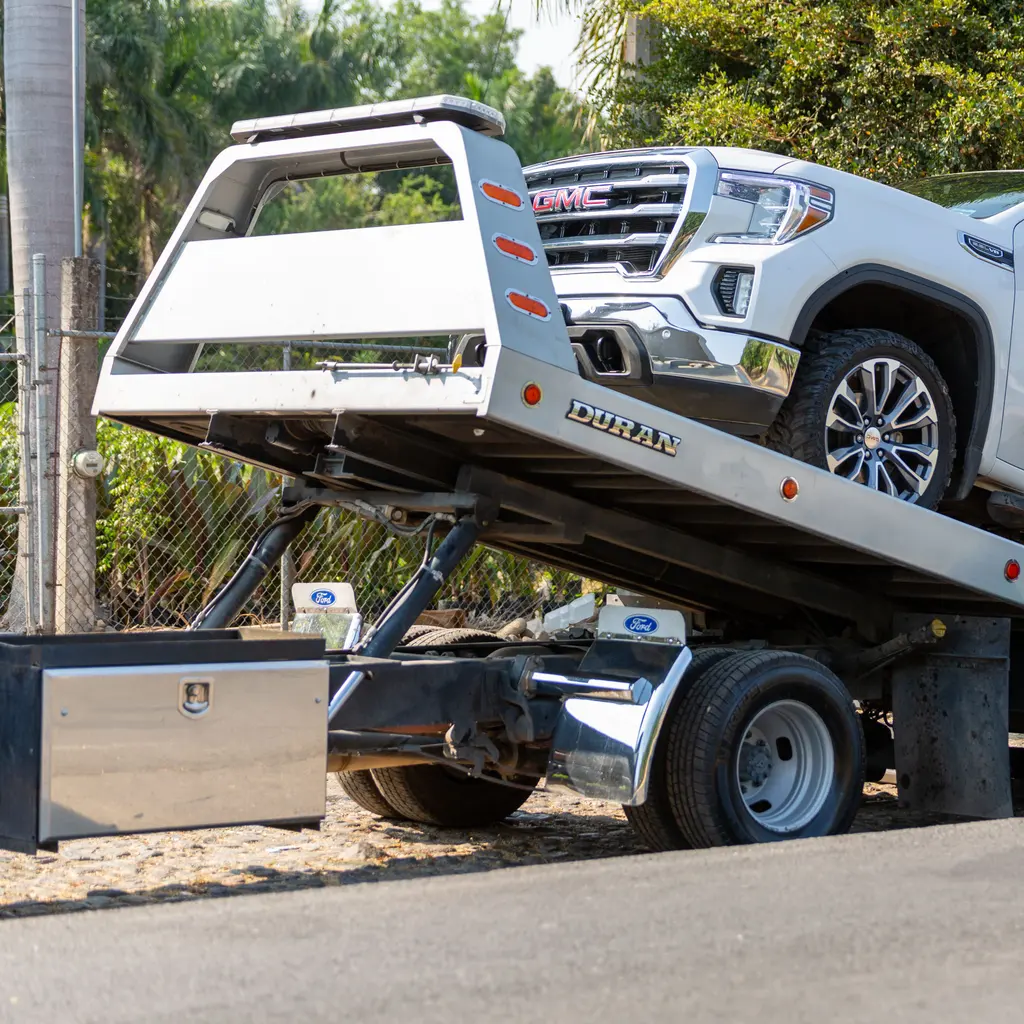
A pickup truck loaded onto a tilting flatbed recovery truck.

Industry overview

You manage the recovery, towing and storage of collateral for lenders. Field work involves different interests, such as the recovery truck, the collateral itself, and personal belongings found inside a vehicle.

The Southern Agency can review your recovery, towing and storage operations to help you select appropriate insurance. We can help distinguish between auto liability, cargo protection and coverage for wrongful-repossession allegations, noting that towing coverage does not automatically include legal authority or personal-property duties.

Risks worth discussing

Tow truck and field driving accidents

A recovery truck can strike another vehicle or damage a driveway during field work. Liability to others and repairs to the firm's truck need different terms. Identify drivers, vehicles, actual recovery use, and territory, including any hired vehicles or driving of recovered units.

Damage to vehicles in tow

A wheel-lift or flatbed incident can damage collateral during recovery or transport. Establish the condition received, loading or towing stage, cause, and who handled the unit. Custody does not alone decide legal responsibility, and coverage while towing does not establish every loading, drive-away, or equipment loss.

Loss of vehicles held in custody

Theft, vandalism or damage can affect units at the firm's lot or another keeper's premises. Match locations, maximum combined values, causes, and actual custody with the form. A secured lot or the word garage does not itself establish payment or prove negligence.

Wrongful repossession and breach of peace

Wrong identity, missed stop instructions or a disputed payment status can lead to claims that a recovery was unlawful. Entry and field conduct may raise separate allegations. Preserve the actual assignment and updates and obtain qualified legal advice; ordinary injury or towing cover is not proof that the wrongful-recovery claim is insured.

Personal property in recovered units

Phones, tools or other belongings inside a unit can be claimed missing or damaged. Identify whose goods were received, where they were kept and how release was documented. A lender's interest in the vehicle and a vehicle-damage limit do not themselves show protection for every item inside.

Recovery agent injuries

Hookup, roadside work, lifting, and field encounters can injure staff. Identify the actual employer, worker status, duties, and work states before reviewing workers' compensation. Calling an operator a contractor or using a forwarding arrangement does not decide every work-injury obligation.

Lender contract insurance requirements

A lender or forwarder may request particular limits, insured parties, or property interests. Compare each request with the actual auto, towing, storage, and wrongful-recovery terms. A contract, certificate or promise to reimburse a lender does not amend a policy or make every outstanding loan amount insured.

Situations to think through

These hypothetical examples are not agency claim results. Whether a loss is covered depends on the facts, policy terms, and applicable exclusions.

  1. Hypothetical: Collateral damaged in tow

    Hypothetical: A recovered car's body is scraped against a post while the truck turns on the trip to the lot. On-hook protection may help pay covered repair costs if the repossession use, vehicle, towing stage, and cause are included. Check the deductible, valuation, and limits for all units involved. Those terms do not show whether the firm's truck or damage at another stage is insured.

  2. Hypothetical: Wrongful repossession dispute

    Hypothetical: A borrower alleges the loan had been brought current before the vehicle was collected and sues the recovery firm. Included wrongful-repossession liability may help pay covered defense and damages if the operation, act, and claim fit its terms. Preserve payment-status and stop-instruction records and obtain qualified legal advice. A GL title does not establish this response, and intentional conduct, statutory remedies, and penalties need their own terms reviewed.

  3. Hypothetical: Theft from the storage lot

    Hypothetical: A recovered unit is stolen overnight from the firm's secured lot. Included in-custody vehicle protection may help pay the covered unit loss at that location. Check whether the form requires covered legal responsibility or insures the property directly, along with theft conditions, valuation, limits, and notice. Securing the lot does not alone prove negligence or coverage, and the vehicle's contents need separate review.

Before you talk to an agent

What to have ready

Tick items as you gather them. Nothing here is saved or sent.

Questions to raise

  • Trace the collateral from recovery and loading through tow or drive-away, unloading, storage, and release. Identify each operator and the form intended to apply at each stage. Compare the highest-value unit and maximum combined units with actual valuation and limits; the lender's loan balance or indemnity request is not necessarily the policy's vehicle value.
  • Identify every storage location and keeper, maximum combined values, security, and access arrangements, and the customer interest insured. Compare direct-property and covered legal-liability bases, causes, deductibles, and notice. Cover for vehicles in storage does not by itself establish protection for buildings, every off-site keeper, lost keys, or items inside vehicles.
  • Have qualified advisers review assignment authority, vehicle identity, current payment or stop instructions and the applicable legal restrictions. Compare the wrongful-repossession allegations with the policy wording and exclusions rather than relying on GL. Insurance is not permission to enter property, recover collateral, or use a particular field procedure.
  • Identify personal belongings separately from the collateral. Keep appropriate condition, inventory, custody, and release evidence, and obtain qualified advice on actual access, return, notice, fee, and disposal responsibilities. Those legal or client duties may exceed the item types, values, and losses a policy covers.
  • Compare lender and forwarder requirements with the auto, on-hook, storage, and wrongful-recovery terms and any specified excess layer. Identify each party's insured or property interest, endorsements, and shared limits. Check existing package parts before assuming every interest is included or needs a separate policy; a certificate does not expand them.

Contract terms to check

  • Identify the lender, forwarder, recovery firm and any field or transport provider, the collateral assigned and the services each undertakes. Set out how authority, changed status, stop instructions and disputed identity or possession are communicated. Qualified advisers must assess applicable recovery rules; an indemnity or insurance clause does not establish a right to recover an item.
  • Describe where recovery, loading, towing, drive-away, storage, and release responsibilities begin and end, including outside keepers and subcontractors. Compare those stages and the collateral type with actual auto, on-hook and in-custody terms. Avoid promising the full loan balance, every existing defect, delay or loss of use will be paid as physical damage.
  • Allocate condition records, belongings inventory, key custody, access, and release responsibilities separately from the lender's collateral interest. Obtain qualified advice on applicable personal-property notice, return, fees and disposal duties. A client's instruction does not itself establish all borrower rights or that contents and replacement keys are insured.
  • Read each actual limit, additional-insured, waiver, property-interest or evidence request by coverage and party. Confirm the endorsement and limits before committing, including any excess underlying requirements. A certificate is not an amendment, and being an additional insured for one liability interest is not proof of payment for every collateral or contents loss.
  • Allocate provider selection, supervision, incident reporting, records, and any actual crime, fidelity, or bond request. Identify the instrument, beneficiary and loss addressed, not only a bonding label. Verify relevant provider insurance without assuming it transfers every claim, and compare contractual reporting and continuing cooperation with actual policy notice and consent terms.

What the agent conversation looks like

Start with the work you do and the questions your current policies leave unanswered. Carrier options depend on your location, risk, and underwriting. Explore our approach.

  1. ListenReview your operations, current coverage, and past claims.
  2. AssessIdentify potential hazards and discuss ways to reduce risk.
  3. BuildDiscuss policy and carrier options, premium costs, and audits.
  4. SupportReview changes and help you plan ahead as your needs develop.

Questions owners ask

What does on-hook coverage do for a repossession firm?

On-hook protection may help repair or replace a covered vehicle damaged during the defined tow or haul. Check that the repossession work, collateral and cause are included and where cover begins and ends. Compare valuation, deductible and limits for all units involved. Loading, drive-away, later storage, the firm's truck and personal contents need their own terms reviewed; a cargo title alone does not show that they are insured.

Are vehicles stored on our lot covered?

Find the in-custody vehicle or storage terms, not just a garage-liability label. Included protection may help pay a covered unit loss at an insured location. Some terms require covered legal responsibility and others insure the property directly; check causes, theft and security conditions, custody, values, limits, and notice. Another keeper's site, buildings and borrowers' belongings are not automatically included.

What about wrongful repossession claims?

Look for wrongful-repossession liability terms that include the firm's operations and allegation. They may help pay covered defense and damages, but the GL title or lender assignment does not establish that response. Check insured parties, acts, claim and reporting conditions, exclusions and limits, including treatment of intentional conduct, statutory remedies, and penalties. Qualified legal advice is needed on recovery authority and field conduct; insurance is not a recovery procedure.

Do my lenders require specific coverage?

A lender or forwarder may specify limits, insured parties, waivers or evidence for particular recovery, towing or custody work. Compare the contract with policies and endorsements before agreeing. A certificate does not amend a form, and a loan amount or indemnity promise is not necessarily insured vehicle value. Check availability and the ability to meet the exact request before committing to coverage or a limit.

Are my recovery agents covered if injured?

Workers' compensation may help pay medical and qualifying wage benefits for an included worker's covered work injury. Review the actual employer, employee or contractor status, duties, payroll, and work states with qualified advisers. A contractor label, another operator's insurance or dangerous roadside work does not alone decide legal requirements or whether a particular injury is covered.

What if a borrower's belongings are inside a recovered car?

Treat them as a separate property and legal-duty question. Identify the goods, owner, condition received, custody, and release evidence, and which terms, if any, insure their loss. Cover for the collateral vehicle does not establish that phones, tools or luggage are included. Obtain qualified advice on actual access, return, notice, fee and disposal obligations; a lender's instruction or vehicle limit does not settle them.

Talk through your repossession service provider coverage

Bring your questions, current policies, and relevant contracts. An agent can review coverage terms, exclusions, and the information carriers ask for, then explain the options available to you.

How can we help you get started?

Choose the quote that fits, and we’ll take it from there.

Have a question? Contact us