

Roadside exposure
Passing vehicles can strike an operator or recovery equipment, especially in poor visibility or bad weather.
Try a different word, or check the spelling.
Winching a car out, carrying it on the hook and keeping it overnight are different stages of your custody. Recovery, on-hook and garagekeepers terms should follow those duties, with wrongful-tow or repossession allegations considered separately rather than assumed covered by garage liability or extra limits.
Talk with The Southern Agency about your operation, policy terms, and the information carriers need.
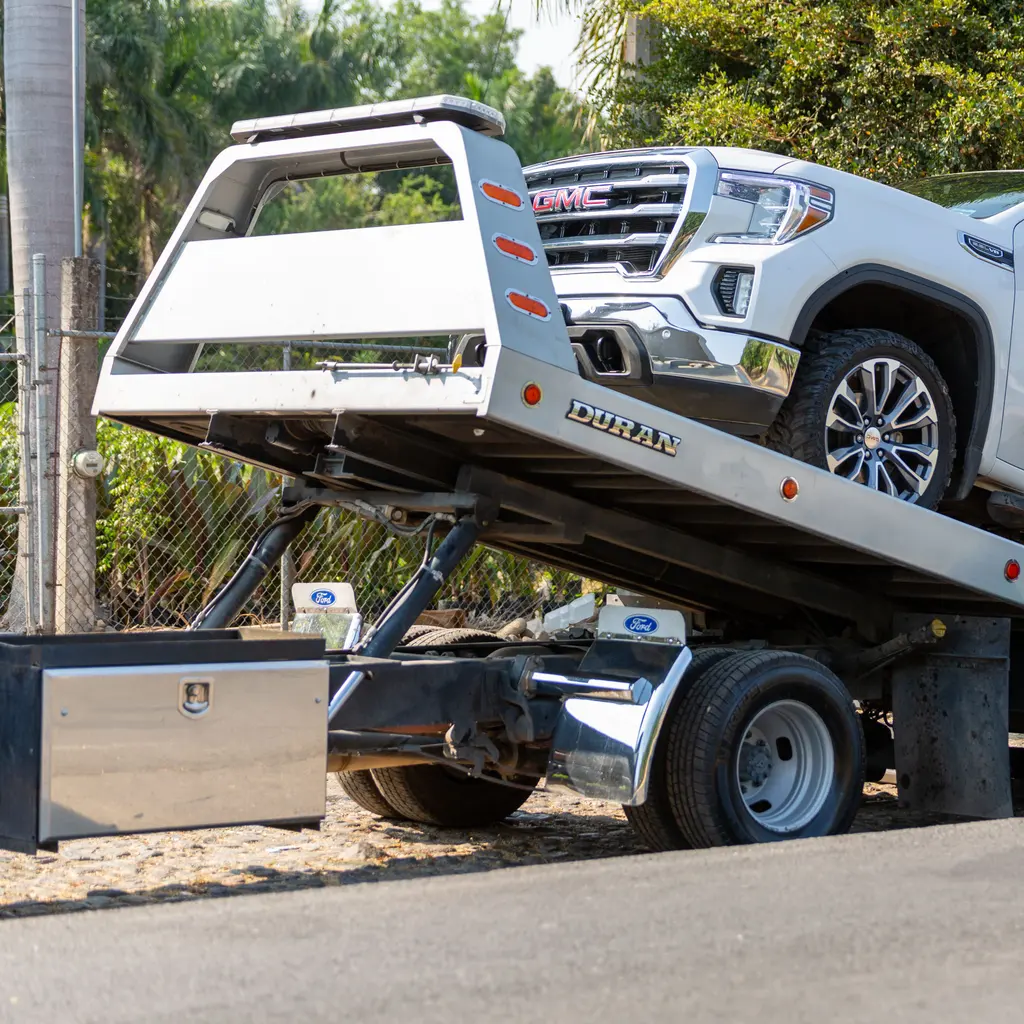
You recover disabled vehicles and manage roadside assistance, which involves risks to your crew working in traffic and to the cars you handle. A vehicle may be damaged during the tow, while in transit or while stored in your lot.
The Southern Agency can review your recovery operations, on-hook equipment, and storage site to help you select appropriate insurance. For instance, we can help you distinguish between garage liability for your service operations and specific protection for the customer vehicles in your custody.
Passing vehicles can strike an operator or recovery equipment, especially in poor visibility or bad weather.
Hooking, winching, and carrying can damage the towed vehicle. The recovery stage may differ from ordinary on-hook transport.
Fire, theft, or vandalism can affect several customers' cars held overnight.
Impound and private-property towing can lead to wrongful-tow allegations. Repossession work adds a separate conduct risk.
Policies to ask about. Which ones fit depends on your operations, your contracts, and the carrier’s forms.
These hypothetical examples are not agency claim results. Whether a loss is covered depends on the facts, policy terms, and applicable exclusions.
The customer's vehicle is damaged in transit. On-hook protection, securement facts, and valuation govern recovery.
A vehicle is broken into on the lot. Garagekeepers terms, liability or direct-coverage basis and limits determine the response.
A passing vehicle injures an employee. Compensation and third-party liability arrangements require separate review.
Start with the work you do and the questions your current policies leave unanswered. Carrier options depend on your location, risk, and underwriting. Explore our approach.
It addresses specified customer-vehicle losses during tow-related custody. Review hooking, recovery, and transit stages in the actual form.
Garagekeepers concerns customer vehicles held under its terms; on-hook concerns towing custody. Garage liability is different from both.
Review accepted tow-truck auto, operational liability, on-hook, garagekeepers if storing vehicles, employee injury, and suitable excess.
Only suitable explicit protection should be relied on. Billing, lien, and intentional-conduct exclusions can affect the response.
It is a material employee hazard. Describe actual duties and employment arrangements for appropriate compensation review.
They can. Compare the request with the policies, including customer-vehicle limits and services that the contract expects.
Bring your questions, current policies, and relevant contracts. An agent can review coverage terms, exclusions, and the information carriers ask for, then explain the options available to you.