

Water intrusion from poor flashing
Improperly sealed windows and doors can leak, causing mold, rot, and interior damage claims that surface after completion.
Try a different word, or check the spelling.
Replacing a unit can leave your customer's wall open before the new seal is complete. Liability for what happens inside the building deserves attention alongside protection for the glass and tools in transit.
The Southern Agency can help you align your installation work, equipment, and crew needs with appropriate coverage.
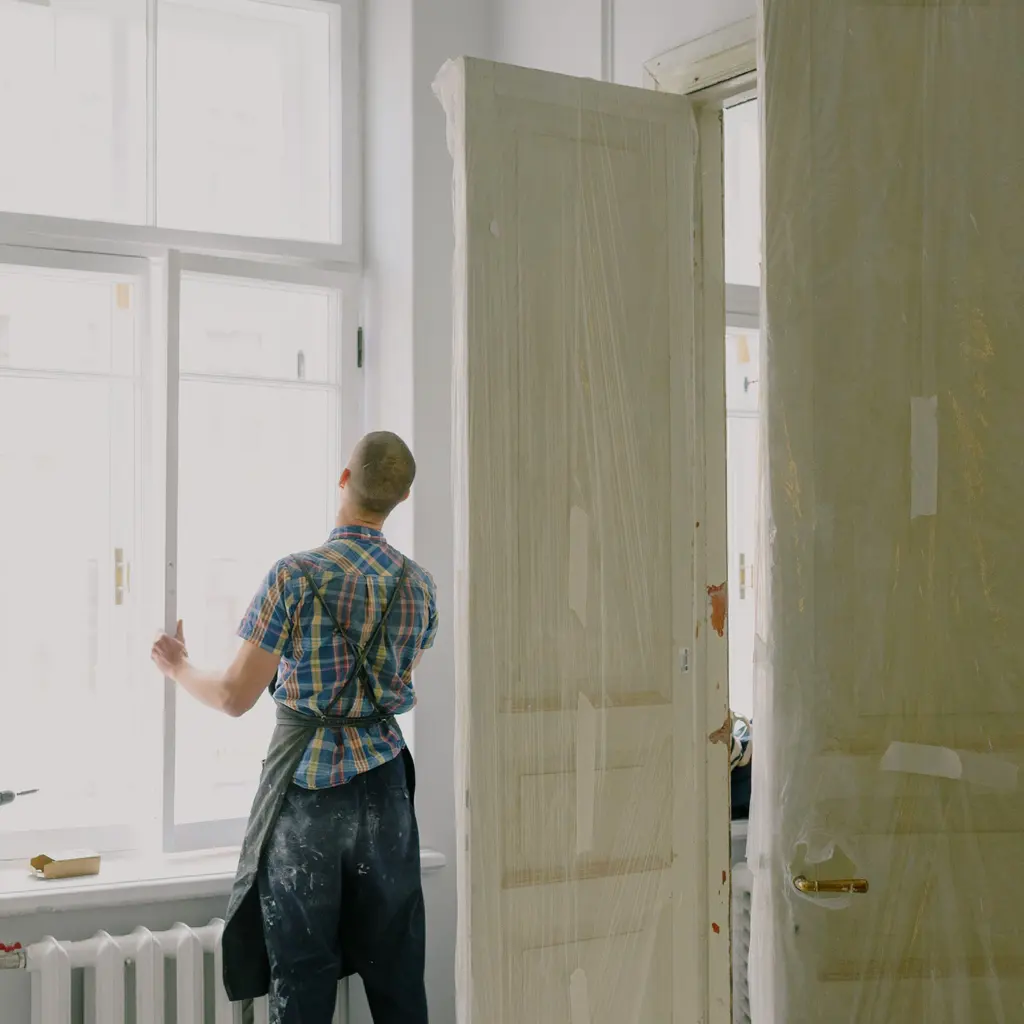
You remove old units, handle heavy glass and seal new doors or windows into occupied buildings. While an opening is exposed, weather can reach finished rooms; a flashing defect may let water in after your crew has left. Ladders, lifts and glass handling also put your installers at risk.
The Southern Agency can review your installation methods and equipment storage to help you select appropriate coverage. For example, we can discuss how inland marine insurance may help protect your units and tools during transit, while liability insurance addresses third-party property damage or injury claims.
Improperly sealed windows and doors can leak, causing mold, rot, and interior damage claims that surface after completion.
Heavy, fragile glass units can shatter during handling and installation, causing lacerations, and property damage.
Installing upper-floor windows and doors from ladders and lifts exposes crews to serious fall injuries.
Working inside occupied spaces risks damage to flooring, walls, and furnishings from tools, debris, and removed units.
An opened wall left overnight or during storms can let in weather, animals, or intruders, causing interior damage.
Power tools and staged windows and doors left at job sites are exposed to theft and weather between work days.
Misaligned, drafty, or leaking units can lead to callbacks and faulty-workmanship disputes with homeowners.
Policies to ask about. Which ones fit depends on your operations, your contracts, and the carrier’s forms.
Ready to compare options?
Get a quote for Door and Window Installation Contractor Or call 1-800-777-1TSAThese hypothetical examples are not agency claim results. Whether a loss is covered depends on the facts, policy terms, and applicable exclusions.
Hypothetical: A flashing defect lets water into a wall, and mold is alleged months later. General liability may address covered resulting building damage, subject to water, fungi, and work-property restrictions. Correcting the flashing or unit and mold investigation or remediation need separate review. Keep installation, completion, damage, and claim dates; late discovery alone does not establish which policy responds.
Hypothetical: A glass door slips during installation, shatters, and damages the customer's flooring. General liability may address covered floor damage, subject to work-property, and custody exclusions. Installation or inland marine coverage may help with the door if its owner, setting stage, and breakage cause are included. Liability for the floor does not automatically insure the glass being installed.
Hypothetical: an installer falls while setting an upper-floor window. Workers' compensation may provide qualifying medical and wage benefits under applicable law. Identify the actual employer and height duties; damaged glass, lifting gear or another firm's injured worker require separate property and liability review.
Start with the work you do and the questions your current policies leave unanswered. Carrier options depend on your location, risk, and underwriting. Explore our approach.
General liability may address covered resulting interior damage, but correcting the window, door or flashing is a separate issue. Review water, fungi, completed-operations and work-property restrictions with installation, completion, damage, and claim dates. A leak discovered later does not by itself establish the responding policy or coverage for mold remediation.
Installation or inland marine coverage may help with the unit if it includes the owner's interest, setting stage, and breakage cause. General liability may address actual injury or damage to surrounding property, subject to exclusions. Breaking the glass being installed alone does not establish a liability loss, and a tools schedule does not automatically include it.
Commercial property coverage may help protect a showroom or warehouse and stored units against fire, theft, and damage, subject to policy terms.
General liability may respond to damage to flooring, walls, or furnishings caused by your work, depending on policy terms, exclusions, and the facts.
Falls, glass cuts and lifting injuries can require treatment and time away from work. Workers' compensation may provide qualifying benefits under applicable law. Review actual employers, work states, payroll and subcontracted duties; underwriting or a subcontractor label does not decide the legal obligation or worker status.
Underwriters weigh residential versus commercial work, height exposure, revenue, tool, and unit values, and loss history. Coverage availability depends on underwriting.
Bring your questions, current policies, and relevant contracts. An agent can review coverage terms, exclusions, and the information carriers ask for, then explain the options available to you.