

Damage to existing finishes
Working in finished rooms risks scratching floors, denting walls, or marring paint and fixtures already in place.
Try a different word, or check the spelling.
Your cabinet or trim may be custom-made for one room, with finished flooring already beneath it. Insuring the millwork on the way to that room and liability while fitting it are different decisions.
The Southern Agency can help you choose insurance that covers both your field installation work and your shop-based projects.
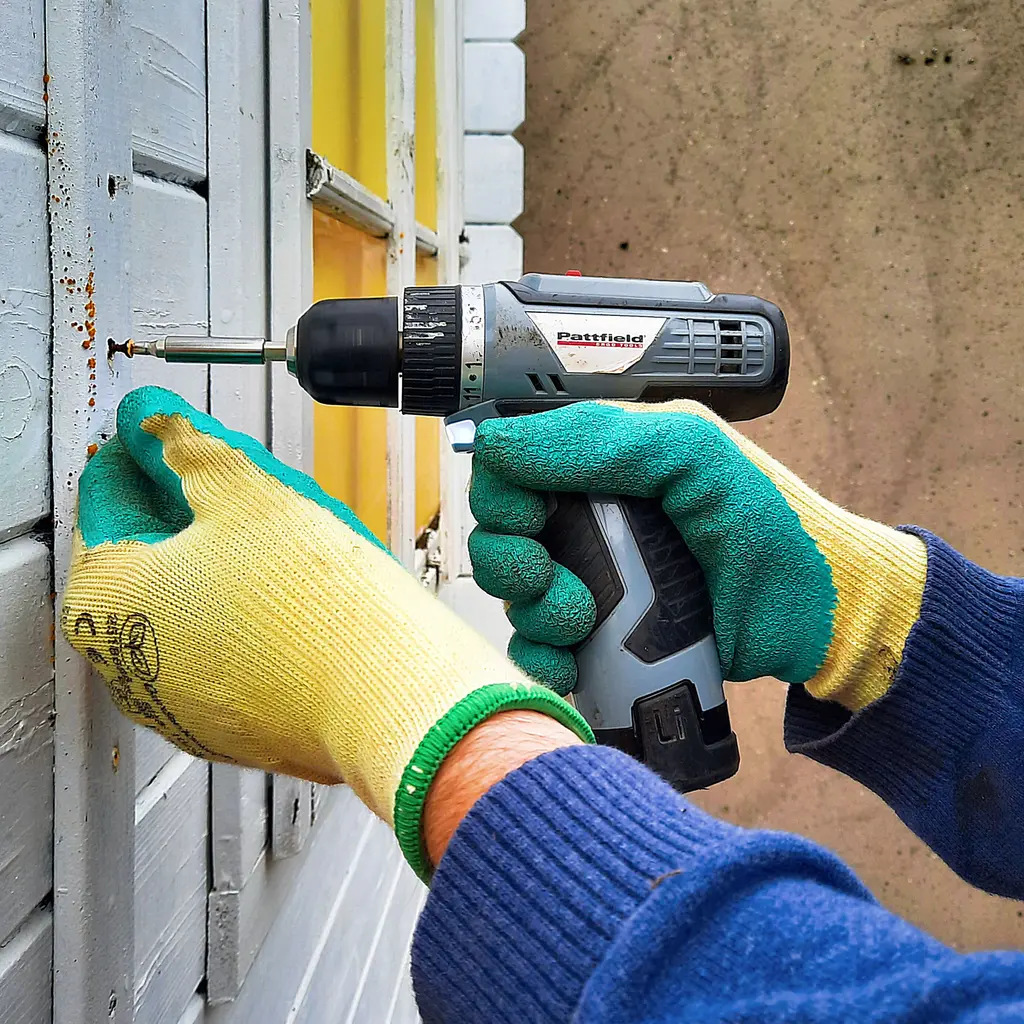
You install custom cabinetry, trim, and molding that finish a building's interior. Accidents like a toolbox gouging a high-end floor or a tool-related laceration during installation can lead to expensive claims and work delays.
The Southern Agency can review your shop fabrication and on-site installation work to help you select appropriate insurance. For example, we can help you distinguish between coverage for accidental damage to a client’s home and the separate risks of transporting your custom millwork.
Working in finished rooms risks scratching floors, denting walls, or marring paint and fixtures already in place.
Table saws, nailers, routers, and chisels expose carpenters to lacerations, amputations, and puncture wounds.
Hardwood, custom cabinets, and millwork are expensive and easily ruined by a miscut, glue smear, or mishandling.
Clients judge trim and cabinetry closely, and disputes over gaps, finish, or fit can lead to costly redo work.
Nailers, saws, routers, and a full hand-tool kit move between sites and are exposed to theft from trucks and trailers.
Installing crown molding and high trim from ladders and platforms creates fall exposure for crews.
Policies to ask about. Which ones fit depends on your operations, your contracts, and the carrier’s forms.
Ready to compare options?
Get a quote for Carpentry and Finish Trim Contractor Or call 1-800-777-1TSAThese hypothetical examples are not agency claim results. Whether a loss is covered depends on the facts, policy terms, and applicable exclusions.
Hypothetical: a toolbox gouges hardwood flooring while the crew installs base trim. GL may address covered damage to other property. Review which property was being worked on or controlled by the crew; not every damaged finish is automatically covered.
Hypothetical: a miscut ruins custom cabinet panels before installation. This may be a workmanship correction rather than an insured accidental loss to materials. Review ownership and actual property and workmanship terms before assuming tool, transit or liability insurance pays to remake the panels.
Hypothetical: nailers and saws are stolen from a locked trailer overnight. Inland marine may cover insured tools, subject to limits, valuation, deductible and vehicle or trailer security conditions. Theft of customer millwork is a separate property-interest question.
Start with the work you do and the questions your current policies leave unanswered. Carrier options depend on your location, risk, and underwriting. Explore our approach.
General liability may address covered damage to another party's floor, wall or fixture. Identify the property being worked on or controlled by the crew and review those restrictions, not only completed-work terms. Repairing an accidentally gouged surrounding floor differs from correcting your own trim or a measurement error.
Inland marine coverage may respond to theft or damage of nailers, saws, and your hand-tool kit between jobs, subject to scheduled limits and policy terms.
Identify the owner, value, location, processing or handling stage and actual cause. Property or installation coverage may address a covered loss, but a miscut or fabrication error may be an uninsured correction. A tools schedule, high material value or transit limit does not establish payment to remake custom cabinets.
A builder or client may request liability, workers' compensation, excess limits, and particular endorsements. Bring the actual contract and compare ongoing and completed-operations additional-insured rights with policy wording. A certificate does not add missing rights or establish that all requested terms can be provided.
Review your actual employment arrangements and work states, including owners, temporary labor and subcontracted duties. Crew size alone does not settle a legal or contract requirement. Qualifying employee benefits address saw, lifting and fall injuries; they are separate from liability to a customer or another contractor's crew.
Eligibility depends on actual shop fabrication and field installation, machinery, dust and fire conditions, locations, and stock values. A BOP may combine liability with specified shop property. Review off-site tools, customer millwork, vehicles, and employee coverage separately; having storage space alone does not establish the fit.
Bring your questions, current policies, and relevant contracts. An agent can review coverage terms, exclusions, and the information carriers ask for, then explain the options available to you.