

Athletes and contracts
Injury during training or competition can affect a player's care and contractual pay in different ways.
Try a different word, or check the spelling.
Your player contract and employee-injury arrangements can answer different questions about an injured athlete's pay. Team protection needs to distinguish those obligations from spectator liability and the arena operator's responsibilities.
Review roster relationships, venue duties and travel arrangements alongside the team's actual contractual obligations.
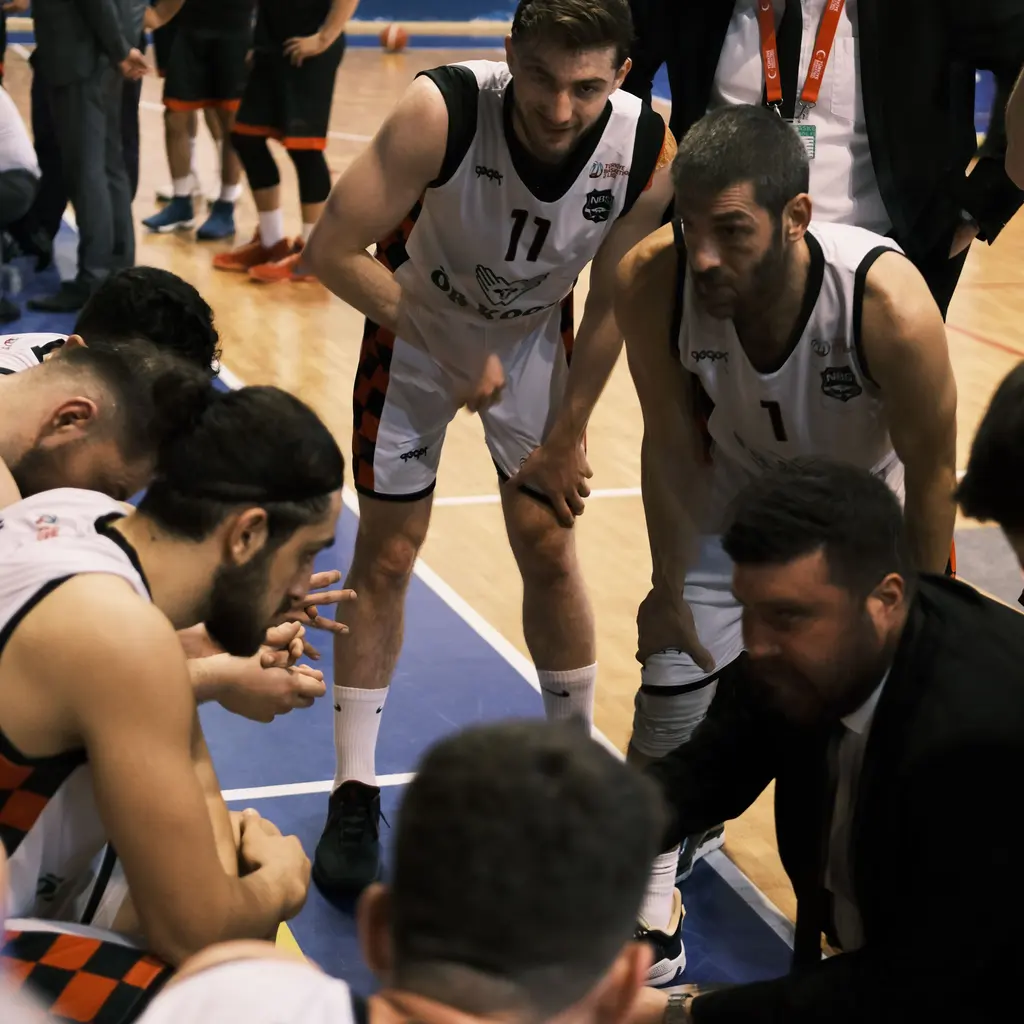
You train professional athletes, manage travel for games, and sell tickets and sponsorships at a home venue. An athlete injury, however, raises different financial questions than a spectator’s claim involving the arena itself.
The Southern Agency can work through your player contracts, arena duties and road schedule with you. We can compare employee injury arrangements with contractual pay obligations, then review the team's spectator liability, facilities and front-office decisions without assuming the arena or league insures every interest.
Injury during training or competition can affect a player's care and contractual pay in different ways.
An injury at a game can name the team, arena operator or both, depending on their roles.
Road games may involve owned buses, hired transport, and flights with distinct insurance interests.
Executives make financial decisions, and the wider workforce can raise employment-related allegations.
Ticketing and merchandise systems may hold customer information; practice sites and equipment are separate property interests.
Policies to ask about. Which ones fit depends on your operations, your contracts, and the carrier’s forms.
These hypothetical examples are not agency claim results. Whether a loss is covered depends on the facts, policy terms, and applicable exclusions.
Suppose a player is injured during competition and misses several games. Review employee injury benefits under applicable rules alongside the player's contractual pay terms and any separate disability arrangements. Workers compensation does not automatically reimburse the team's salary commitment, and spectator liability is not the athlete's injury program.
Suppose a spectator trips near a team-operated merchandise stand and names both the team and arena. A covered liability claim depends on the actual walkway conditions, control of the area and insured parties. Arena ownership alone does not establish that its insurance protects the team.
Suppose an investor alleges that executives concealed the financial effects of a sponsorship decision. D&O may address a covered management claim, depending on the insured capacities, claimant restrictions and conduct terms. A disappointing deal or demand to return contract money is not by itself an insured payment.
Start with the work you do and the questions your current policies leave unanswered. Carrier options depend on your location, risk, and underwriting. Explore our approach.
Athlete benefits depend on employee status, applicable rules, and purchased terms. Contractual pay or disability protection is a separate question.
D&O may address insured leadership allegations about financial or operational decisions.
Arena and team agreements divide spectator duties. Check which party controls the relevant area and is insured.
Cyber cover can help with qualifying events involving customer records the team or its processors hold.
Auto may address team road vehicles; buses, flights, and traveling equipment require their own role-specific review.
League requirements vary by organization and agreement. Compare verified obligations with the actual policy rather than assuming a universal minimum.
Bring your questions, current policies, and relevant contracts. An agent can review coverage terms, exclusions, and the information carriers ask for, then explain the options available to you.