

Debris and barriers
A crash may injure spectators or crews beyond the track.
Try a different word, or check the spelling.
Your spectators, drivers and pit crews share a race day without necessarily sharing the same injury protection. Liability terms need to distinguish their roles and accept the racing activities actually taking place.
Bring racing schedules, promoter agreements and the actual duties of flaggers, safety crews and concession operators.
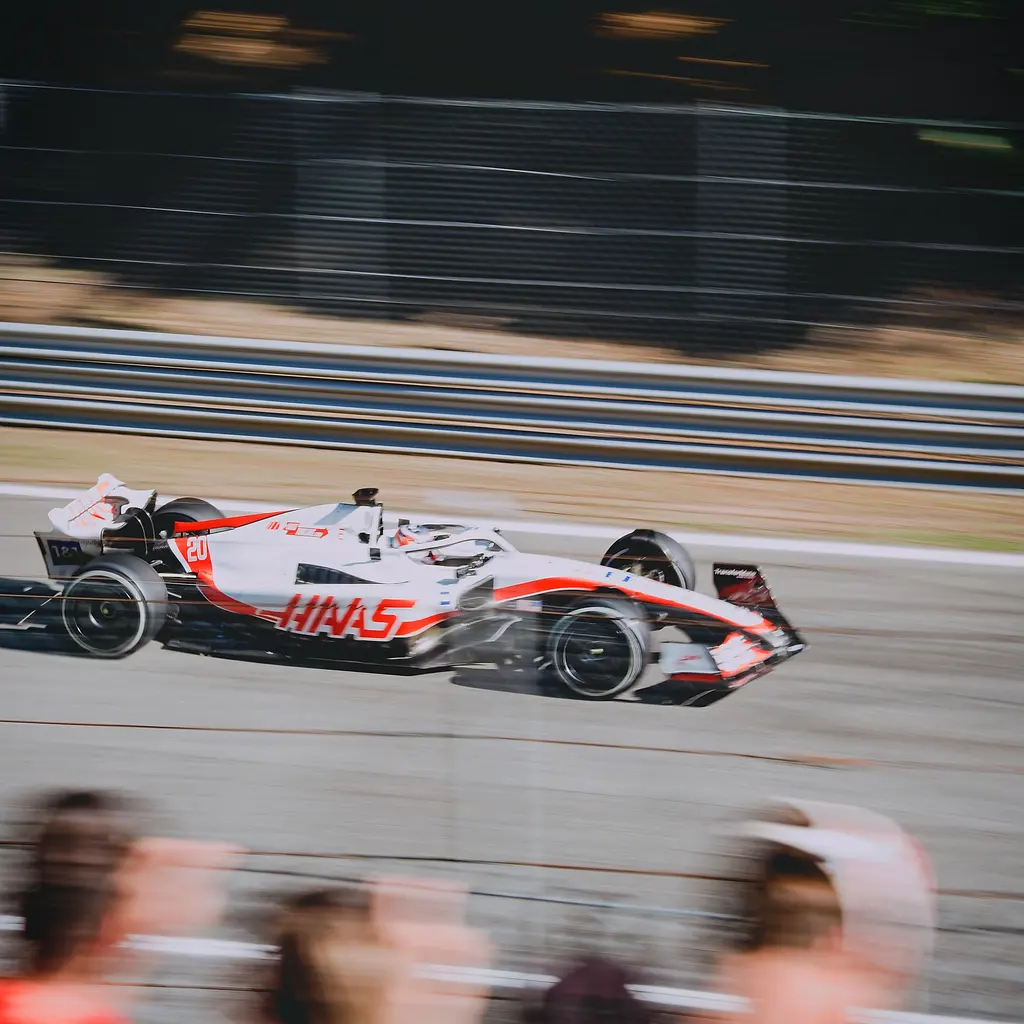
You manage a race track where vehicles, crews, and spectators gather, often involving high-speed operations in pit areas. A crash could send debris beyond the track, while a fall in the stands introduces different safety concerns.
Tell The Southern Agency which racing formats you host, who promotes them and how the pits and spectator areas are operated. We can review participant and spectator terms alongside crew injury arrangements, fuel incidents and the insured values of stands, barriers and timing equipment.
A crash may injure spectators or crews beyond the track.
Driver and crew injuries can fall outside ordinary spectator liability.
Refueling introduces fire, explosion, and contamination concerns.
Grandstands, parking, concessions, and any bar create event-day exposure.
Surface, fencing, timing equipment, and garages have different insured interests.
Policies to ask about. Which ones fit depends on your operations, your contracts, and the carrier’s forms.
These hypothetical examples are not agency claim results. Whether a loss is covered depends on the facts, policy terms, and applicable exclusions.
Suppose debris crosses a barrier during a race and injures spectators. Claims may concern the track's barriers, event management or another party's conduct. Review acceptance of the actual racing format and spectator exposure, plus any exclusions or limits; the crash does not by itself establish the track's fault.
Suppose a refueling spill reaches soil beside the pits. Pollution terms determine whether cleanup at that site and any third-party claim qualify, including who handled the fuel and when the incident was reported. Competitors' vehicle repairs and routine spill prevention are not automatically part of the same grant.
Suppose a patron falls on a damaged grandstand step and alleges that it was left unrepaired. General liability may address the covered allegation based on the actual conditions and your maintenance duties. Review the described event and site rather than assume either that all racing claims are excluded or that every spectator accident is insured.
Start with the work you do and the questions your current policies leave unanswered. Carrier options depend on your location, risk, and underwriting. Explore our approach.
Severe spectator claims can involve several people; compare primary and excess limits with the actual racing exposure.
Waivers may affect legal responsibility but do not remove the need to examine participant coverage.
Cleanup needs a qualifying pollution trigger and insured material and location.
Review the bar operator's role and liquor wording even for occasional race-day service.
Stands, fencing, and surfaces need specific property descriptions; do not assume identical treatment.
Employee status and duties determine injury benefits. Contract or volunteer labels alone do not settle them.
Bring your questions, current policies, and relevant contracts. An agent can review coverage terms, exclusions, and the information carriers ask for, then explain the options available to you.