

Data breach and account takeover
Stored credentials, payment data, and personal information make the platform a target for breaches and large-scale account takeover.
Try a different word, or check the spelling.
Your app is a trading service, not just software with customer accounts. Professional protection needs to accept the brokerage and execution work behind the interface, separately from cyber response or insurance for customer funds.
Map platform, broker, clearing and custody responsibilities before comparing outage, data and funds protection.
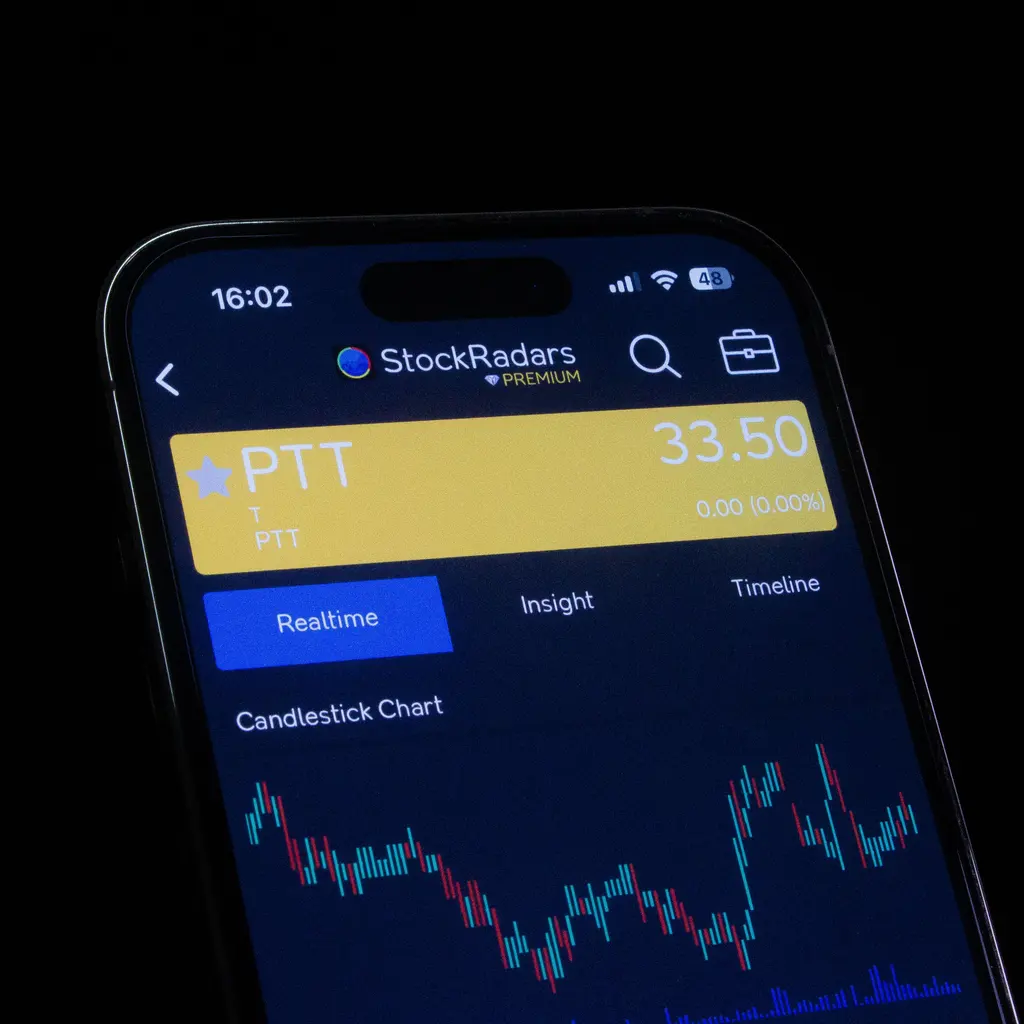
You provide retail trading services via apps where customers place orders and manage their funds. Market volatility, order-routing glitches, or a security breach during high-traffic periods can trigger customer claims and regulatory scrutiny.
The Southern Agency can review your brokerage execution roles and platform operations to help you select appropriate insurance. We can discuss how to coordinate cyber, E&O, and management liability coverage around your actual trading and custody practices.
Stored credentials, payment data, and personal information make the platform a target for breaches and large-scale account takeover.
Downtime or latency when markets move sharply can lead to customer claims that trades could not be placed or exited.
Execution glitches, mispriced quotes, or routing failures can cause customer losses and technology errors-and-omissions claims.
Customer deposits and withdrawals create exposure to fraudulent transfers and insider misappropriation.
An attack encrypting trading systems can halt operations and trigger extortion demands and recovery costs.
Questions about execution quality, recordkeeping, or customer protection can lead to inquiries and defense costs.
Policies to ask about. Which ones fit depends on your operations, your contracts, and the carrier’s forms.
These hypothetical examples are not agency claim results. Whether a loss is covered depends on the facts, policy terms, and applicable exclusions.
Suppose an outage during a volatile market prompts customer claims that orders could not be placed. Identify the platform's and broker's actual execution duties and which technology or financial services are insured. A covered service allegation differs from promising a better exit price or reimbursing every market loss.
Suppose attackers use compromised logins to withdraw customer money. Cyber response may address an insured security event, while recovery of funds needs the applicable crime or transfer grant, insured interest and verification facts. An account compromise does not establish both benefits or duplicate payment.
Suppose ransomware encrypts trading systems and stops the service. Cyber terms may address covered restoration and interruption costs, with waiting periods and approved response arrangements. Any extortion benefit has its own consent and legal conditions; neither a payment nor uninterrupted trading is guaranteed.
Start with the work you do and the questions your current policies leave unanswered. Carrier options depend on your location, risk, and underwriting. Explore our approach.
Cyber liability is central, supported by technology E&O and crime programs. The structure depends on data held, fund flows, and architecture, subject to underwriting.
Identify platform versus broker/clearing duties, accepted technology/financial services, and covered loss. Ordinary latency, market losses, SLA credits, and every vendor outage are not automatically insured; cyber interruption has separate trigger and waiting-period terms.
Separate actual credential/data response from theft of customer or firm funds. Review insured ownership/interest, actual withdrawal/transfer grant, verification, and discovery/notice terms; cyber/crime policy labels do not establish reimbursement or duplicate payments.
Cyber policies may respond to ransomware recovery, extortion, and interruption, subject to the specific policy terms, sublimits, and security requirements.
Strongly. Underwriters weigh authentication, monitoring, and redundancy because they shape cyber risk. Coverage availability depends on underwriting and demonstrated controls.
Bring your questions, current policies, and relevant contracts. An agent can review coverage terms, exclusions, and the information carriers ask for, then explain the options available to you.