Skip to content

Fats And Oils Refinery Insurance

Your refined oil may become an ingredient in another manufacturer's finished food. Product protection for that downstream use is a different need from replacing tank stock, repairing hot-process equipment or handling oily wastewater.

The Southern Agency can help you evaluate your refining hazards and liability exposures to select appropriate insurance.

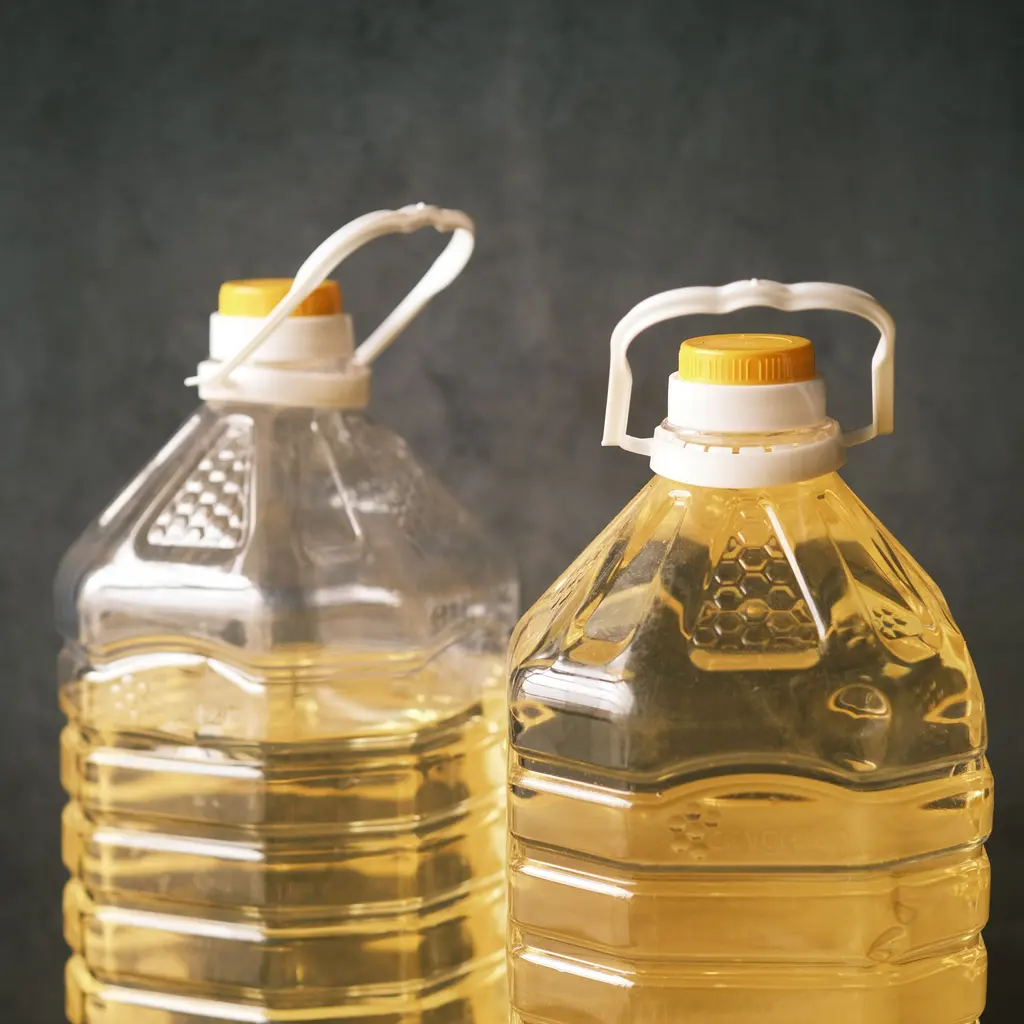
Plastic bottles filled with golden cooking oil.

Industry overview

You refine crude fats or oils into edible ingredients through the treatment stages your plant performs. Hot oil, steam, vacuum equipment and concentrated tank stock create fire and shutdown exposures. A contaminated batch may also enter another manufacturer's food, while oily wastewater or spent bleaching clay raises separate environmental questions.

The Southern Agency can review your industrial processes and environmental risks to help select appropriate insurance, such as pollution liability for oil spills or equipment breakdown for your pumps and boilers.

Risks worth discussing

Fire and explosion from hot oil

Heated edible oils are combustible, and hot-process leaks can feed a fire. Hydrogen used for hydrogenation or solvent residues, if present, add different ignition hazards; do not assume every refining line uses either. Describe actual temperatures, feedstocks and processing stages.

Steam and vacuum equipment failure

Boilers, heat exchangers and deodorizer vacuum systems support refining. Failure of steam supply or vacuum equipment can damage machinery or stop treatment. Identify the failed component and cause; vacuum operation and pressurized steam utilities are different equipment conditions.

Pollution and spill liability

Oil-laden wastewater, spent bleaching clay, and tank leaks can contaminate soil or water, triggering cleanup obligations and environmental claims.

Bulk storage tank loss

Bulk tanks concentrate oil values, with fire, collapse and leakage capable of causing stock loss and supply disruption. Identify tank contents, temperatures, construction and containment rather than classify all edible oil as a flammable liquid.

Product contamination or rancidity

Off-spec, rancid, or cross-contacted oil reaching food manufacturers can lead to recalls and product-liability claims downstream.

Process equipment breakdown

Failure of deodorizers, pumps, or heat exchangers can idle the refinery and spoil in-process oil, interrupting customer supply.

Worker burn and chemical exposure

Employees handling hot oil, caustics, and confined spaces face burn, chemical, and confined-entry injury exposure.

Situations to think through

These hypothetical examples are not agency claim results. Whether a loss is covered depends on the facts, policy terms, and applicable exclusions.

  1. Hypothetical: Hypothetical: deodorizer fire

    A high-temperature deodorizer ignites and damages adjacent equipment. Property and business income coverage may help with repairs and lost production, depending on policy terms and exclusions. Check covered fire and included income/restoration terms; off-spec oil disposal is a separate question.

  2. Hypothetical: Hypothetical: wastewater discharge claim

    Oil-laden wastewater is discharged beyond permitted limits and requires remediation. Environmental liability coverage may respond to cleanup and third-party claims, subject to the specific policy and facts. Review release/cleanup, known/noncompliance exclusions, and reporting; fines or process upgrades are not automatic cover.

  3. Hypothetical: Hypothetical: boiler tube rupture

    A boiler tube ruptures, damaging the steam system and halting refining. Equipment breakdown coverage may respond to repair and resulting downtime, depending on policy terms. Check covered tube/steam event and income terms; missed buyer commitments are not automatically paid.

Before you talk to an agent

What to have ready

Tick items as you gather them. Nothing here is saved or sent.

Questions to raise

  • Describe actual oil temperatures, combustible stock and any hydrogen or solvent hazards for property review.
  • Secure environmental coverage for spills and wastewater
  • Review boiler and equipment breakdown limits
  • Assess business income for deodorizer or boiler outages
  • Consider umbrella limits for catastrophic exposures

Contract terms to check

  • Allocate feedstock acceptance, tanker/tote custody, and disposal contractor duties.
  • Review quality refunds, customer batches, recall, and spill indemnities against actual covered harm and pollution terms.

What the agent conversation looks like

Start with the work you do and the questions your current policies leave unanswered. Carrier options depend on your location, risk, and underwriting. Explore our approach.

  1. ListenReview your operations, current coverage, and past claims.
  2. AssessIdentify potential hazards and discuss ways to reduce risk.
  3. BuildDiscuss policy and carrier options, premium costs, and audits.
  4. SupportReview changes and help you plan ahead as your needs develop.

Questions owners ask

Why is a fats and oils refinery considered high-hazard?

Hot combustible oil, steam utilities and large tank values can make a fire or process failure severe. Identify actual refining stages and whether hydrogen or solvents are present rather than assume a uniform flammable-liquid classification. Maintenance, containment, fire protection and restart dependencies help an insurer assess the plant.

Do we need environmental coverage?

Oil spills, wastewater, and spent bleaching clay create pollution exposure that standard liability often excludes. Environmental liability may respond to cleanup and claims, subject to policy terms and facts.

How is our boiler and pressure equipment covered?

Equipment breakdown coverage may respond when boilers, deodorizers, or heat exchangers fail, helping with repair and downtime, depending on policy terms and underwriting inspection.

Can refined oil create product liability?

A buyer can allege that your oil caused injury or damaged its finished food. That differs from oil rejected for taste or specifications alone. Products and impaired-property terms affect the response; refunds, buyer rework and withdrawal expenses need separate review rather than an assumption that product liability pays the entire demand.

Why might an umbrella policy be recommended?

A refinery fire or product event can lead to third-party claims exceeding primary limits. Review accepted underlying liability policies and any pollution exclusions; added liability limits do not automatically cover refinery property, cleanup or recall costs.

What injuries do refinery workers face?

Employees handle hot oil, caustics, and confined spaces, creating burn, chemical, and confined-entry exposure. Workers' compensation is commonly required and often legally mandated, subject to state rules.

Talk through your fats and oils refinery coverage

Bring your questions, current policies, and relevant contracts. An agent can review coverage terms, exclusions, and the information carriers ask for, then explain the options available to you.

How can we help you get started?

Choose the quote that fits, and we’ll take it from there.

Have a question? Contact us