

Product contamination and spoilage
Improper acidification, seal failures, or pathogen growth in a sauce batch can sicken consumers and lead to liability claims across an entire production run.
Try a different word, or check the spelling.
A buyer's continuing guarantee can ask more of your business than ordinary product liability promises to pay. Your sauce recipes, co-packing role and actual endorsements need consideration alongside any withdrawal or rework costs.
The Southern Agency can help you evaluate the production, labeling, and contractual risks inherent in your sauce manufacturing business.
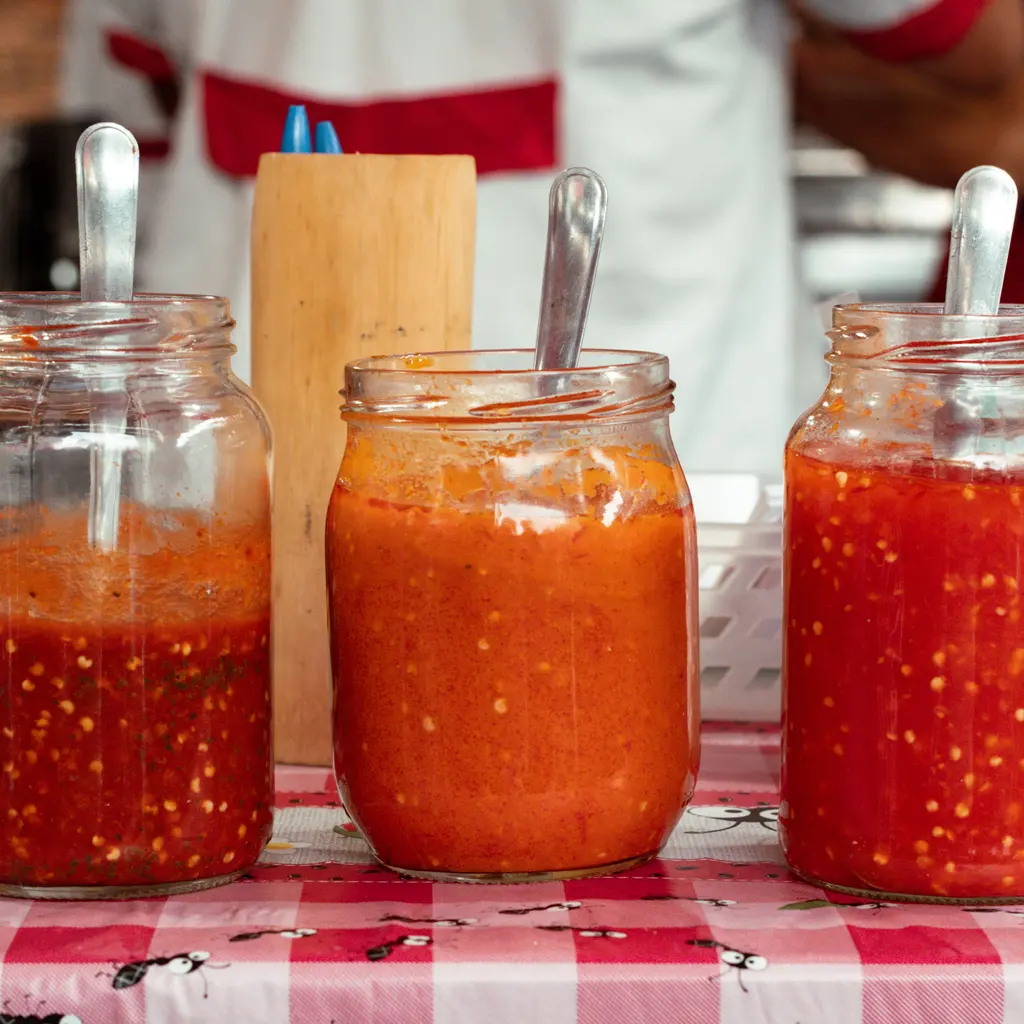
You produce sauces through heating, blending, and filling, where even a small labeling error or allergen cross-contact can affect many retail units. A breakdown of your pasteurizers or bottling equipment can lead to significant production delays, while your high-volume output increases your recall and contamination risks.
The Southern Agency can review your production process, including your private-label contracts and continuing-guarantee requirements, to help select appropriate insurance. We can discuss how to align your product liability and equipment coverage with the actual operation of your facility.
Improper acidification, seal failures, or pathogen growth in a sauce batch can sicken consumers and lead to liability claims across an entire production run.
Allergen cross-contact involving soy, dairy, nuts, or wheat, and errors in gluten-related formulation or labeling, can prompt recalls and injury claims from sensitive consumers.
Removing affected jars from distributors and retailers, plus notification and disposal, can generate sizable first-party expenses.
Failure of steam kettles, pasteurizers, or filling lines can halt production, spoil in-process batches, and delay customer orders.
Bulk oils, packaging, and heat-driven processes raise fire risk to the plant, ingredients, and finished inventory.
Burns from hot product, conveyor pinch points, and wet floors expose blending and bottling staff to injury.
Private-label buyers and co-pack partners often require continuing guarantees, vendor coverage, and added-insured status.
Policies to ask about. Which ones fit depends on your operations, your contracts, and the carrier’s forms.
These hypothetical examples are not agency claim results. Whether a loss is covered depends on the facts, policy terms, and applicable exclusions.
A labeling change omits a soy allergen and affected jars reach retailers. A product recall and product liability policy may respond to withdrawal and injury costs, depending on policy terms and the facts. Separate eligible withdrawal/replacement expenses from covered injury; label omission does not establish all costs.
A pasteurizer fails mid-run, spoiling a batch and stopping the line for days. Equipment breakdown and business income coverage may help with repairs and lost income, subject to the specific policy. Confirm covered machine event, batch and income terms; a process deviation/rework alone is different.
A worker is burned by hot sauce while transferring from a steam kettle. Workers' compensation may respond to medical and wage costs, depending on policy terms and jurisdiction. Review employment/jurisdiction and benefits; contract penalties are not worker benefits.
Start with the work you do and the questions your current policies leave unanswered. Carrier options depend on your location, risk, and underwriting. Explore our approach.
Because bottled sauces reach many consumers, a contaminated or mislabeled batch can lead to injury claims. Product liability may help respond, subject to policy terms and the facts of the claim.
Use approved formula/thermal or acidification and label versions to identify affected jars. Products liability concerns covered harm to others, not automatically withdrawal. Recall/contamination cover needs an eligible event, insured product and purchased expenses; quality rejection, refunds, rework and routine spoilage are not automatic cover.
Equipment breakdown coverage may respond to sudden mechanical or electrical failure of fillers, kettles, and pasteurizers, and business income may address lost production, depending on policy terms.
Often yes. Brand owners commonly require continuing guarantees, added-insured status, and minimum limits. We can help structure coverage to meet those terms, subject to underwriting.
An undeclared allergen that causes injury may be addressed under product liability, and related recall costs under recall coverage. Coverage depends on the specific policy and circumstances.
Most states require workers' compensation for employees, and sauce production involves burn and machinery exposure. Requirements depend on your state and operations.
Bring your questions, current policies, and relevant contracts. An agent can review coverage terms, exclusions, and the information carriers ask for, then explain the options available to you.