

Combustible fiber and wood dust
Fiber, wood, and packaging dust accumulate on production lines, elevating fire and dust-related hazards in the plant.
Try a different word, or check the spelling.
Your tufting line needs blades and routine servicing as well as repairs after a sudden failure. Breakdown and product protection should distinguish those costs from correcting brushes whose handles or bristles do not meet expectations.
The Southern Agency can help you evaluate the insurance needed to protect your brush and mop production and finished inventory.
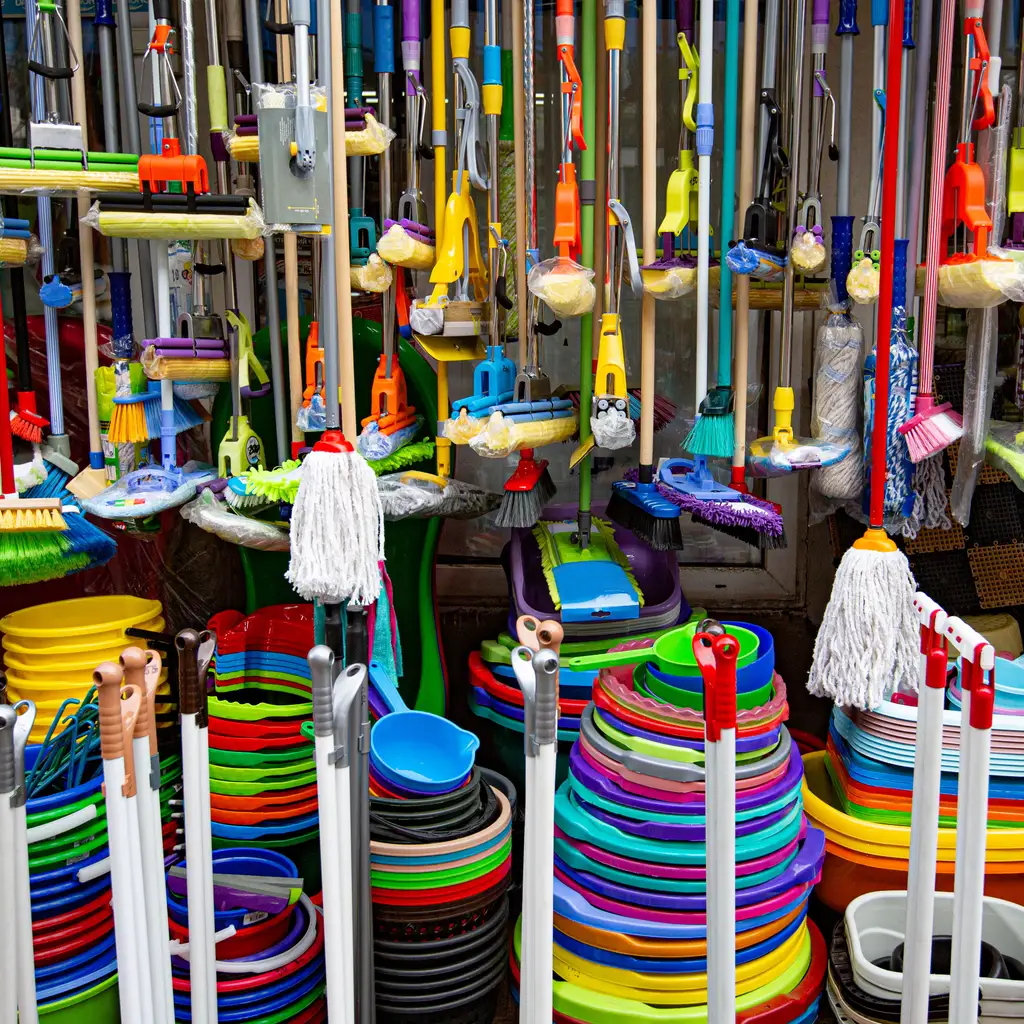
You make brushes, brooms or mops using fibers, bristles, handles and fasteners suited to different jobs. Combustible materials and packaging can concentrate fire exposure, while tufting and trimming machines bring pinch and cutting hazards. A broken handle or shedding bristle can also lead to injury allegations after shipment.
The Southern Agency can review your materials, production lines and distribution duties to help you choose insurance. We can check products coverage within or alongside general liability, separate tool replacement or withdrawal from injury claims, and compare stock and machinery protection with your restart needs.
Fiber, wood, and packaging dust accumulate on production lines, elevating fire and dust-related hazards in the plant.
A shedding bristle, failed handle, or contaminated material can generate product liability claims spread across many retail and commercial customers.
Tufting machines, trimmers, and presses expose workers to laceration, pinch, and repetitive-motion injuries.
Stacks of finished goods, fibers, and packaging concentrate property values that a fire could quickly consume.
Automated tufting and molding lines are production-critical, and a breakdown can interrupt high-volume order fulfillment.
Bulk shipments to retailers and distributors can be damaged in transit or at staging, affecting orders, and revenue.
Policies to ask about. Which ones fit depends on your operations, your contracts, and the carrier’s forms.
These hypothetical examples are not agency claim results. Whether a loss is covered depends on the facts, policy terms, and applicable exclusions.
A push-broom handle allegedly breaks during use and injures a customer. Product liability may help with defense and damages, depending on the policy and claim facts. Check that the product and use are included and identify the injured party. Replacing the handle, withdrawing products, and meeting other contract obligations need separate review.
Accumulated fiber dust contributes to a fire that damages production lines and inventory. Property coverage may help with repair and replacement, subject to policy terms. Identify the combustible fiber, wood or other material and check the fire cause, insured property and stock interests, and valuation. Dust exposure or handling breakage without a covered fire is a different loss question.
An automated tufting line fails mechanically, stalling order fulfillment. Equipment breakdown may help with repair and resulting income loss if the internal failure is covered. Review the income protection purchased, waiting and restoration periods, and limits. Late-order penalties, routine tooling, and rejected runs are separate costs, not payments assured by a stopped line.
Start with the work you do and the questions your current policies leave unanswered. Carrier options depend on your location, risk, and underwriting. Explore our approach.
Yes. Because they are mass-distributed and used daily, even a small defect can spread across many customers. Product liability may help respond, subject to policy terms and underwriting.
Fibers, wood, and packaging create combustible dust and material. Strong housekeeping and fire protection matter, and commercial property coverage may help with covered fire losses.
Review covered internal failures of tufting, molding and trimming equipment, repair costs and affected stock. Compare any purchased income and extra-expense terms, waiting, and restoration periods with restart needs. Wear, scheduled blade work, process defects and missed orders alone do not assure payment or restored capacity.
Workers' compensation commonly responds to work-related injuries, including lacerations and repetitive-motion conditions, subject to the policy and the applicable jurisdiction.
Identify who owns the goods and bears the risk of loss, the carrier and routes, and values at yard, loading, and storage handoffs. Review proposed cargo or inland-marine scope, theft, packing and security conditions, valuation and limits. Delivery auto insurance, shipping documents and carrier liability alone are not proof that the goods are insured or that a matching program is available.
Business income coverage may respond when a covered property loss interrupts manufacturing, helping with lost earnings. Coverage depends on the specific policy and exclusions.
Bring your questions, current policies, and relevant contracts. An agent can review coverage terms, exclusions, and the information carriers ask for, then explain the options available to you.