

Press crush and burn injuries
High-clamp-force presses and hot molten plastic expose operators to crush, amputation, and burn hazards during mold changes and part removal.
Try a different word, or check the spelling.
Your press may be yours while the mold inside it belongs to a customer. Property and custody protection need to identify both interests, separately from sorting off-size parts or correcting a wrong setting.
The Southern Agency can help you align your property and liability coverage with the technical requirements of your molding and finishing operations.
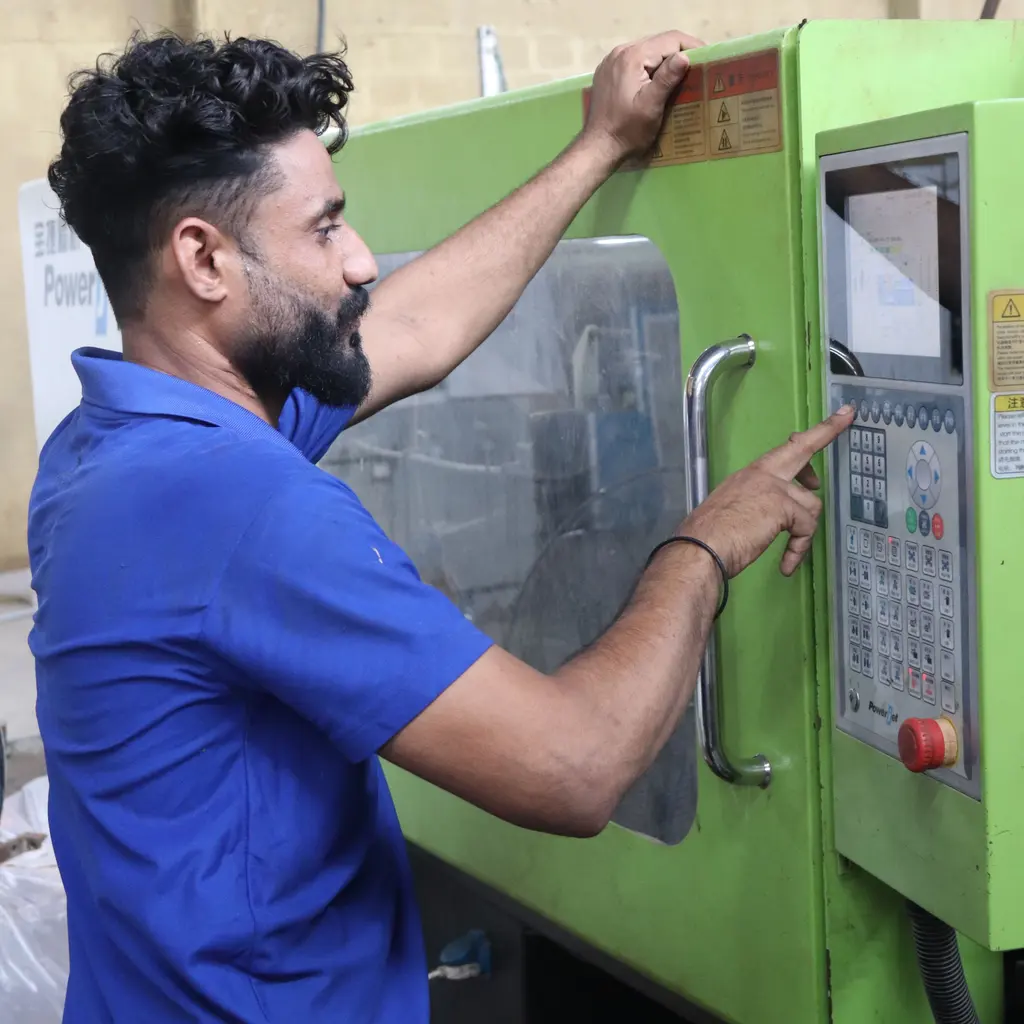
Your injection molding shop produces plastic components using high-pressure presses, custom molds, and molten resin. The heat and force involved create fire risks and worker hazards, while defects in your parts can lead to serious claims from customers in automotive or medical sectors.
The Southern Agency can review your press operations, mold custody, and resin fire load to help you select appropriate insurance. For instance, we can evaluate whether your property policy accounts for the high value of customer-owned molds versus your own machinery.
High-clamp-force presses and hot molten plastic expose operators to crush, amputation, and burn hazards during mold changes and part removal.
Valuable molds and tooling held for customers can be damaged or destroyed by fire or mishandling, raising bailee responsibility.
Stored resin, regrind, and hydraulic oil near hot presses create fire exposure across the molding floor.
Molded components built to spec can fail dimensionally or materially and cause downstream loss in automotive, medical, or consumer products.
Failure of press drives, hydraulics, heaters, or robots can stop production and disrupt just-in-time customer schedules.
Moving resin, totes, and finished parts, plus operating dryers and conveyors, exposes workers to additional injury risk.
Medical and food-contact parts carry contamination and traceability exposure that can trigger recalls.
Policies to ask about. Which ones fit depends on your operations, your contracts, and the carrier’s forms.
These hypothetical examples are not agency claim results. Whether a loss is covered depends on the facts, policy terms, and applicable exclusions.
An operator is injured during a mold change when a press cycles unexpectedly. Workers' compensation may help with medical care and lost wages, subject to the policy and applicable law. Identify employer, jurisdiction, and qualifying benefit facts separately from property or third-party interests.
A molded part fails dimensional specifications and causes assembly issues for an automotive customer. Product liability may help with a covered injury or other-property damage claim, but the stated assembly problem alone does not prove either. Separate own-part replacement, sorting, rework, impaired assemblies, and delay, and review any offered automotive recall cover separately.
A fire damages customer-owned molds stored at the shop. Property or inland marine with the customer interest included may help repair or replace covered mold damage, subject to the policy. Check direct customer-property versus bailee legal-liability triggers, owner-approved values, reconstruction time, custody, processing, and valuation limits. Entrustment alone does not assure full replacement.
Start with the work you do and the questions your current policies leave unanswered. Carrier options depend on your location, risk, and underwriting. Explore our approach.
Start with presses, resins, stock values, customer molds, product end uses, and employee duties. Compare property, internal breakdown and income, direct mold property versus bailee liability, product and premises terms individually. A package name does not prove regulated-use or rejected-lot cover.
Identify owner, value, reconstruction time and shop, repair, and transit stages. Compare direct customer-property and bailee legal-liability terms, processing and mold-change causes, and limits. Customer ownership and entrustment alone do not prove all damage, legal liability or full replacement value insured.
Describe the component's function, end use, design versus build-to-print duties and alleged injury or other-property damage. Own-part replacement, dimensional rejection, impaired assemblies and recalls differ from product injury, including in medical and automotive uses. Regulated end uses need express acceptance.
Describe actual clamp-force access, mold changes, purging, hot resin, robots, and auxiliaries with qualified safety advisers. Applicable state employee rules and qualifying injury facts determine benefits; the molding label or a listed injury does not guarantee every payment.
Identify internal failure versus wear, setting or material error and quality holds. Compare equipment included, purchased stock and income, waiting periods and press or robot repair and restart time separately from a missed just-in-time schedule.
Present press and auxiliary values, resin and stock, customer molds, custody and processing duties, end uses, payroll and claims. Design versus build-to-print and regulated-product roles matter to a real quote; a shop label promises no generic premium, availability or favorable terms.
Bring your questions, current policies, and relevant contracts. An agent can review coverage terms, exclusions, and the information carriers ask for, then explain the options available to you.