

Equipment breakdown and downtime
A failure of a CNC mill, lathe, or control system can be costly to repair and can halt production until the machine is restored.
Try a different word, or check the spelling.
When a key machining center stops, several customer orders can stop with it. Review protection for the machine and interrupted production, as well as liability for the parts you deliver.
Call with your machine values, the parts and end markets you serve, and any customer-owned stock or tooling.
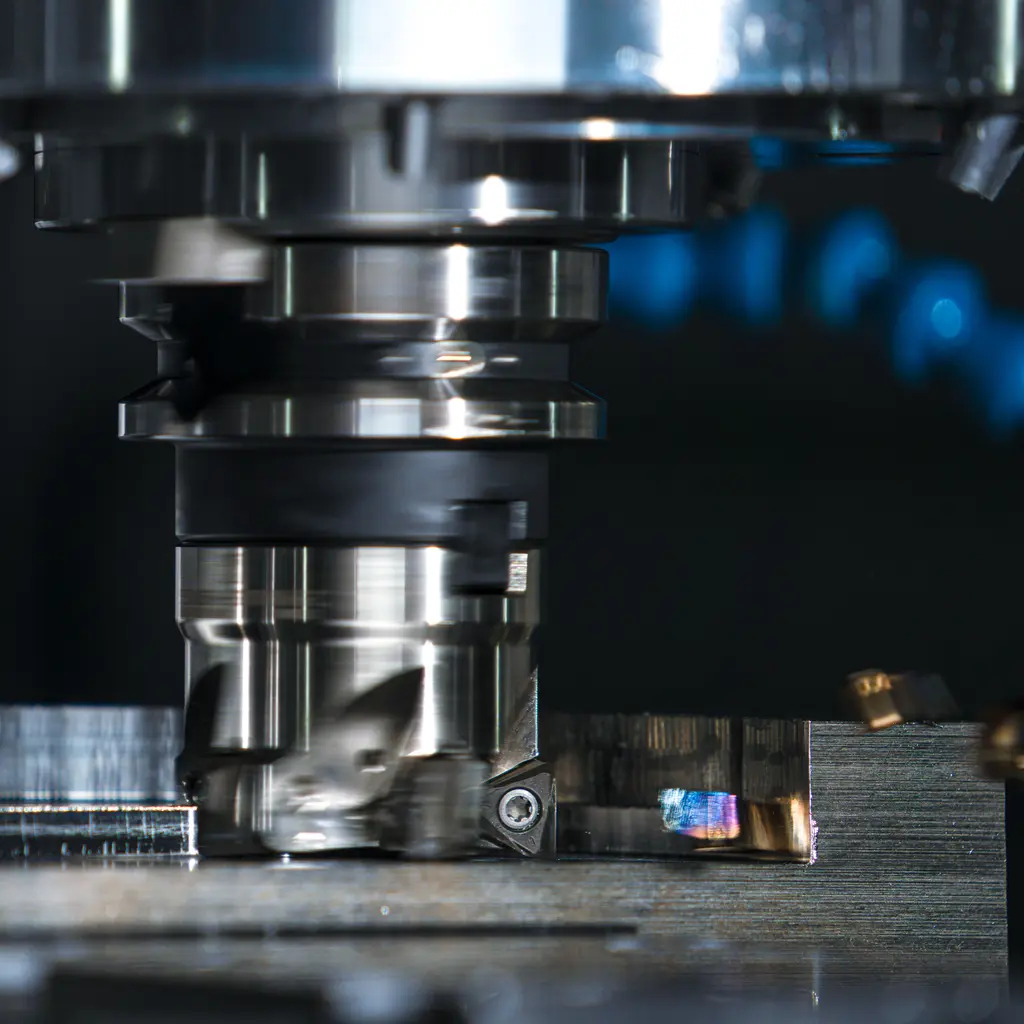
You run CNC mills, lathes, and grinders to produce precision metal parts. A major machinery breakdown can halt your production, while a defective part may cause injury or damage when it reaches your customer's assembly.
The Southern Agency can review your machining work, customer end uses and critical machines to help you compare insurance. We can discuss customer tooling and stock separately from your own property, then review product liability and the breakdown or income terms needed for a production interruption.
A failure of a CNC mill, lathe, or control system can be costly to repair and can halt production until the machine is restored.
A machined part that fails specification can contribute to a downstream failure, creating product liability and recall-related exposure.
Rotating tooling, metal chips, heavy material handling, and forklifts create real injury exposure for machinists and operators.
Fire hazards depend on the metals, cutting fluids and residues from your actual process. Combustible dust or oil can expose machines and stock to fire; do not assume every coolant or metal dust has the same properties.
Customer-supplied stock and partially machined parts can be damaged, scrapped, or destroyed before delivery.
Expensive cutting tools, gauges, and finished parts are portable and valuable, making them a target for theft.
Policies to ask about. Which ones fit depends on your operations, your contracts, and the carrier’s forms.
These hypothetical examples are not agency claim results. Whether a loss is covered depends on the facts, policy terms, and applicable exclusions.
An electrical failure damages the control on your main machining center, stopping several customer orders. Equipment breakdown may help repair the control. Income and extra-expense coverage need to include that type of failure and allow for the time needed to source parts and restart production.
A shaft machined by the shop fails in a customer's assembly and damages surrounding equipment. Products liability may help with the resulting damage claim. Replacing the shaft, recalling the batch and paying late-delivery penalties are different costs that should be discussed separately.
A machinist is injured handling material near a running lathe. Workers' compensation may help with medical costs and lost wages, depending on the policy and circumstances. Confirm employee status, state and lathe, or material-handling duties and whether the injury qualifies as occupational. Those benefits differ from contract or pay disputes and third-party claims.
Start with the work you do and the questions your current policies leave unanswered. Carrier options depend on your location, risk, and underwriting. Explore our approach.
CNC machines are costly and downtime stops production. Equipment breakdown coverage may respond to sudden mechanical or electrical failure, depending on policy terms, exclusions, and the facts of the loss.
Often, yes. Even when machining to a print, a part alleged to be out of tolerance can contribute to a downstream failure. A product liability policy may respond depending on the specific policy and facts.
List stock, work in progress and tooling by owner, peak value and fabrication or repair stage. Review any purchased entrusted-property or bailee coverage, processing and workmanship terms, custody provisions, valuation and limits. General liability exclusions for property in your care or being worked on, and coverage for your own stock, do not assure payment for scrapped customer parts.
Business income and extra-expense coverage may help after a covered loss or breakdown if that cause is included. Discuss the lead time for replacement controls, specialist repairs, and restarting production. Check waiting periods and limits; routine wear, programming corrections and customer delay penalties are not automatically covered.
Bring supply, print and design terms, indemnities, customer-property responsibilities, limits and additional-insured requests. Keep quality and certification duties separate. Compare the end uses, services and endorsements included; a print, certification or certificate alone does not assure matching protection or payment for scrap and customer shutdowns.
Premiums commonly reflect machine values, revenue, the parts and industries served, staffing, fire protection, and claims history. Pricing is based on your specific shop and underwriting.
Bring your questions, current policies, and relevant contracts. An agent can review coverage terms, exclusions, and the information carriers ask for, then explain the options available to you.