Skip to content

Tool And Die Maker Insurance

Your tool-design service can create a customer financial claim that differs from a damaged mold or an injured visitor. Professional, product, and entrusted-property protection should follow those duties, separately from rejected output and customer delay penalties.

The Southern Agency can help you protect your tool-making business by aligning your insurance with your engineering and machining responsibilities.

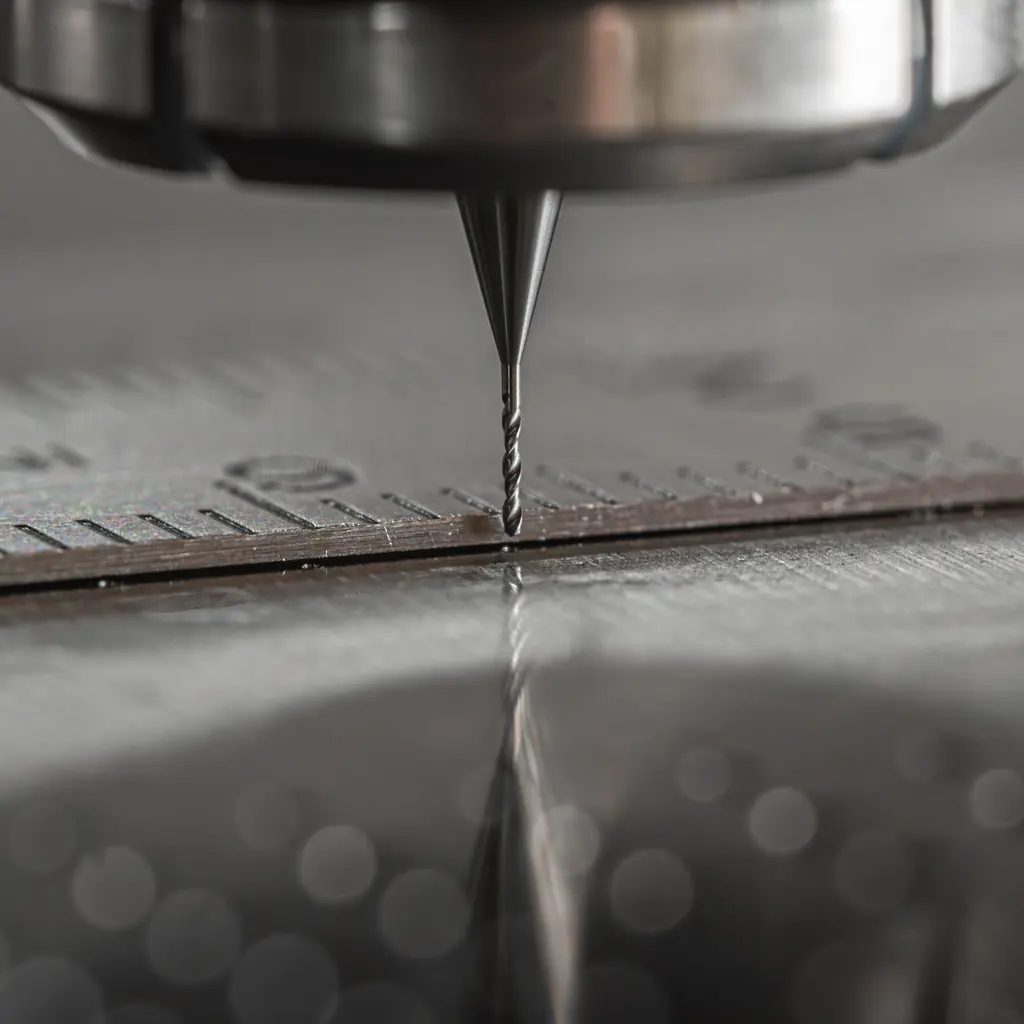
A CNC milling head is set over a metal work surface beside a measuring rule.

Industry overview

You build precision dies, molds and gauges, working to customer drawings or accepting design duties where your shop offers them. Tight tolerances make an error costly: the buyer may reject parts or lose production, while a customer die in your care creates a separate property interest.

The Southern Agency can help you evaluate your design and manufacturing risks to select the appropriate insurance. We can help you discuss the difference between a property claim for your shop equipment and a professional liability claim related to your engineering services.

Risks worth discussing

Design or fabrication error in tooling

A design or fabrication error can produce out-of-tolerance parts, scrap, and customer financial demands. Identify any injury or damage beyond the tool and rejected output rather than treating every specification failure as product liability.

Damage to customer-owned tooling

Customer dies and molds can be damaged during storage, lifting, or repair. Ownership, maximum value, the cause, and processing restrictions affect direct property and legal-liability protection differently.

Precision equipment breakdown

An internally damaged EDM, grinder, or CNC mill can delay precision work. Repair and recalibration time, available capacity, and purchased income terms determine the interruption review.

Skilled-worker injuries

Cutting, grinding, and lifting expose machinists to injury. Qualifying employee benefits differ from the cost of recruiting or replacing skilled workers.

Downtime claims from late tooling

A customer may demand lost production revenue or late-tooling penalties. Those financial or contractual demands differ from the shop’s own insured machine repair and income loss.

Fire from oils and dust

Describe cutting oils, coolant chemistry and the metal and physical form of dust. Use material-specific fire data and assess storage and ignition conditions with qualified advisers.

Intellectual property and design data

Customer drawings and CAD/CAM files carry confidentiality and security responsibilities. File loss, a design mistake, and an ownership or infringement dispute require different terms.

Coverage worth discussing

Policies to ask about. Which ones fit depends on your operations, your contracts, and the carrier’s forms.

Situations to think through

These hypothetical examples are not agency claim results. Whether a loss is covered depends on the facts, policy terms, and applicable exclusions.

  1. Hypothetical: Defective mold delivered

    Suppose a buyer rejects parts made with your mold as out of specification and seeks scrap and production-delay costs. The buyer alleges no injury or damage to other equipment. Separately offered manufacturers E&O may help defend a covered customer financial claim if it includes the tooling and duties. Own-mold correction and performance guarantees need their own terms.

  2. Hypothetical: Customer die damaged in the shop

    Suppose a customer die is damaged during a toolroom repair. Included customer-property or bailee protection may help with eligible die damage or insured legal liability. Check the repair cause, processing restrictions, owner-agreed value, and limit; a policy for tools in transit does not establish cover while they are being repaired.

  3. Hypothetical: EDM breakdown delays a job

    Suppose internal electrical damage disables the primary EDM and stops a tooling job. Equipment breakdown may help with eligible machine repairs, with purchased income protection for the insured interruption. Repair and restart time, waiting periods, and limits matter; the customer’s late-delivery claim is separate.

Before you talk to an agent

What to have ready

Tick items as you gather them. Nothing here is saved or sent.

Questions to raise

  • Separate design responsibility from machining to supplied drawings, and describe the tool’s production use.
  • Value customer dies through storage, repair, testing, and transport; compare direct property and legal-liability protection.
  • Keep own-tool correction, rejected customer parts and customer shutdown demands apart from injury or damage to other equipment.
  • Estimate EDM, grinder and CNC repair and restart time, including recalibration and alternative capacity.
  • Map access, backups, and confidentiality duties for customer drawings and CAD/CAM files.

Contract terms to check

  • Allocate tool design, drawing approval, fabrication, testing, repair, ownership, and transport duties. Compare the obligation to replace a customer die with direct property or bailee legal-liability terms, processing restrictions, and agreed values.
  • Separate a defect causing injury or other-property damage from correcting the tool, rejected runs, impaired machinery, and customer lost revenue. Any manufacturers E&O offered must include the tooling, services, and financial claim. Professional and product exclusions and claims-made continuity need their own review.
  • Compare buyer limits, additional-insured requests, indemnities, and financed-machine interests with issued endorsements. A certificate does not change a policy. Confidentiality, output guarantees, and withdrawal promises do not establish corresponding insurance benefits.

What the agent conversation looks like

Start with the work you do and the questions your current policies leave unanswered. Carrier options depend on your location, risk, and underwriting. Explore our approach.

  1. ListenReview your operations, current coverage, and past claims.
  2. AssessIdentify potential hazards and discuss ways to reduce risk.
  3. BuildDiscuss policy and carrier options, premium costs, and audits.
  4. SupportReview changes and help you plan ahead as your needs develop.

Questions owners ask

Do tool and die makers need professional liability?

Describe who designs and approves the die or mold and whether you engineer it or build to supplied drawings. A design error can lead to customer financial claims. Compare professional or manufacturers E&O terms that include the activities and tooling; generic consultant wording may exclude manufactured products. Check guarantees, own correction and, for claims-made terms, prior acts and reporting.

Are customer dies in my shop covered?

Identify owner, agreed value, maximum concentration, and storage, repair, testing, and transit stages. Compare direct customer-property protection with bailee legal liability and processing restrictions. Ordinary contents and GL custody wording do not establish protection for every die damaged during repair.

What if a die I built produces bad parts?

Find out what happened beyond the rejected parts: was anyone injured, other equipment damaged, or production simply rejected or stopped? Product liability, impaired-property restrictions, and any offered financial-loss terms can treat these differently. Remaking your tool, scrap, refunds, and shutdown guarantees need their own terms.

How is my precision equipment protected?

Property may help after an insured fire; equipment breakdown addresses eligible internal failures. Identify EDM, grinder and CNC causes, repair and recalibration time and purchased stock, income and extra-expense extensions. Routine wear, programming correction and a late tooling order do not themselves establish an insured interruption.

Should I worry about customer design data?

Drawings and CAD/CAM files create access, backup, and confidentiality responsibilities. Compare any offered security and privacy response and design-service terms with the event and loss. Recovering corrupted files, correcting a design, and defending an ownership dispute are different questions; a confidentiality promise alone does not insure them.

Is workers' compensation required in a toolroom?

Requirements and qualifying benefits depend on state law, employment arrangements, and duties. Describe cutting, grinding, lifting, and maintenance, including labor-provider or contractor roles. Clarify who employs the workers; a contractor invoice alone does not decide their status.

Talk through your tool and die maker coverage

Bring your questions, current policies, and relevant contracts. An agent can review coverage terms, exclusions, and the information carriers ask for, then explain the options available to you.

How can we help you get started?

Choose the quote that fits, and we’ll take it from there.

Have a question? Contact us