

Water intrusion and seal failure claims
Windows or doors that leak or whose insulated-glass seals fail can lead to building-envelope damage and widespread product and completed-operations claims.
Try a different word, or check the spelling.
Your glass can be cut, built into a unit and handed to a dealer before anyone installs it. Stock and transit terms need clear ownership and handling provisions, separately from a window rating or warranty promise.
The Southern Agency can help you align your insurance with the risks of manufacturing and distributing doors and windows.
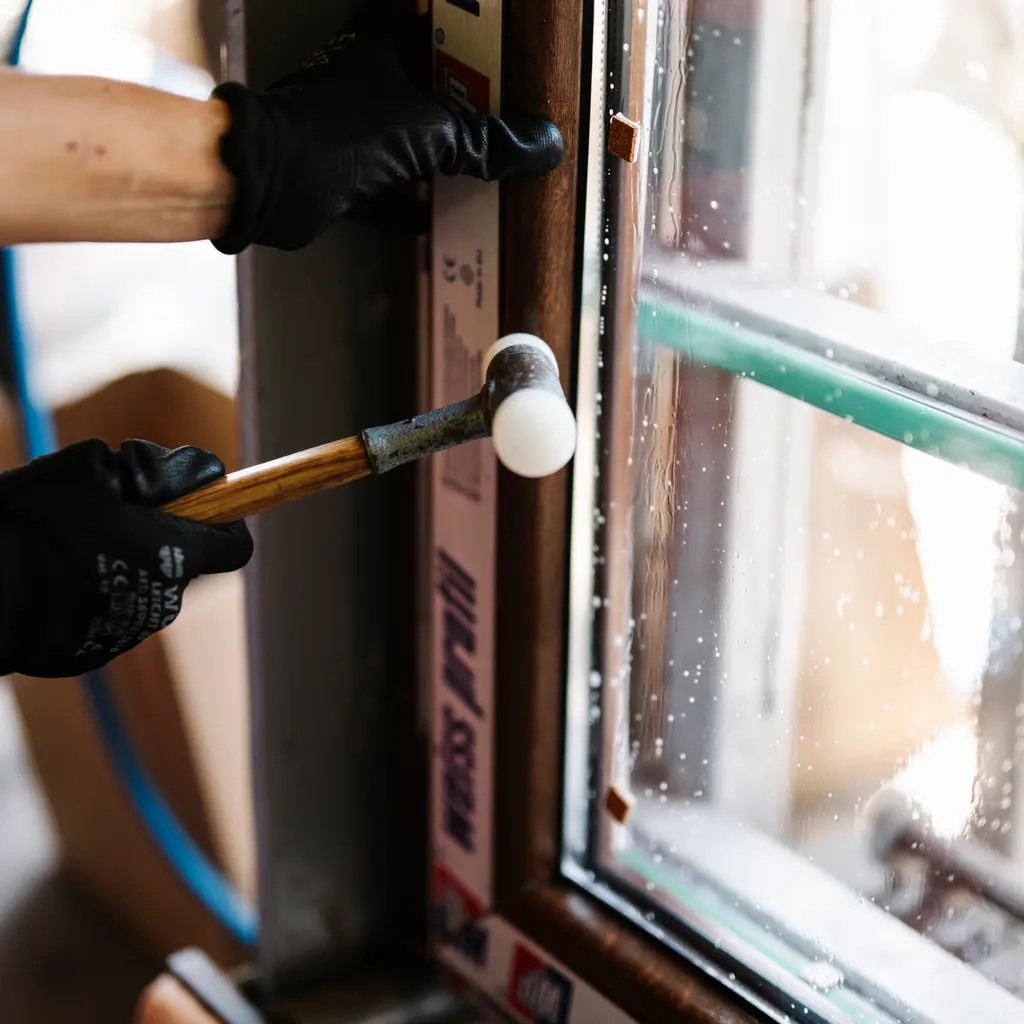
You assemble window and door units that must perform within a building envelope, meaning a seal failure or rating issue can lead to widespread moisture damage claims. Your plant also involves glass cutting and milling, which are high-hazard activities for your staff and production equipment.
The Southern Agency can review your assembly lines and dealer shipping methods to help you select appropriate insurance. We can discuss how your product liability coverage handles completed-operations claims and how equipment breakdown might help protect your insulated-glass lines.
Windows or doors that leak or whose insulated-glass seals fail can lead to building-envelope damage and widespread product and completed-operations claims.
Units alleged to fall short of thermal, impact, or wind-rating standards can trigger claims, recalls, and warranty disputes across many installations.
Cutting, moving, and assembling glass exposes workers to laceration and breakage injuries throughout the production process.
Frame mills, presses, and finishing lines create amputation, dust, and fire exposure common to door and window plants.
IG lines, presses, and finishing systems are critical to output, and a breakdown can stall production and threaten delivery schedules.
Stocks of glass, frames, and finished doors and windows concentrate value vulnerable to breakage, fire, and water damage.
Policies to ask about. Which ones fit depends on your operations, your contracts, and the carrier’s forms.
These hypothetical examples are not agency claim results. Whether a loss is covered depends on the facts, policy terms, and applicable exclusions.
Insulated-glass units in a new development are alleged to have failed seals, causing fogging and damage. Product and completed-operations coverage may respond to defense and damages, depending on the policy and facts. Separate supplied seals and fogging from any resulting building damage. Check uses included, own-product, own-work, moisture, impaired-property, and contract terms; replacing units and removing them need their own review.
The insulated-glass line fails and halts production during peak season. Equipment breakdown may help with repair and resulting income loss, subject to the policy and exclusions. Identify the covered internal line event and purchased stock and income terms, waiting periods and restoration. Bad seals, peak orders or supply delays alone do not establish that response.
A shipment of finished windows is damaged en route to a dealer. Inland marine may help, depending on the policy and where the loss occurred. Check ownership, the packing, carrier or handoff cause, glass and handling provisions, valuation and limits. Neither every fragile-unit loss nor full contract sales price is automatically insured.
Start with the work you do and the questions your current policies leave unanswered. Carrier options depend on your location, risk, and underwriting. Explore our approach.
A defective glazed or exterior-envelope unit may be alleged to damage a building across multiple installations; interior-door duties can differ. Check the unit, use, design, installation, and resulting injury or damage, limits, aggregate and exclusions. A failed seal or rating alone is not proof of coverage.
Establish whether only supplied seals or fogged glass are affected or whether building damage or injury resulted. Check units, uses, and design or installation included, own-product, own-work, impaired-property, moisture, and contract provisions. Failed ratings or water intrusion alone do not insure every replacement, removal, warranty or recall cost.
Inland marine coverage may help protect glass and finished units shipped to dealers and builders, depending on policy terms and where the loss occurs.
Equipment breakdown coverage may help repair IG lines and presses and address resulting lost income, subject to the specific policy and exclusions.
Bring dealer and builder limits, additional-insured, warranty, removal, and indemnity requests. Compare included units, design and installation duties and issued endorsements. A supply contract or certificate does not amend terms, prove availability or guarantee every performance promise.
A common defect can lead to claims involving many installations, so bring unit types, uses, claim history, and dealer or builder requests to a limits review. Compare the products and underlying duties included, occurrence, and aggregate limits, and the excess trigger, attachment, and exclusions. Multiple installations do not automatically multiply limits or make a higher limit suitable or available. Own-unit replacement, removal, warranties, and withdrawal need their own terms.
Bring your questions, current policies, and relevant contracts. An agent can review coverage terms, exclusions, and the information carriers ask for, then explain the options available to you.