

Fire from wood dust and finishes
Combustible wood dust and flammable stains, lacquers, and solvents make fire one of the most serious property hazards in a millwork shop.
Try a different word, or check the spelling.
Your casework may be made, delivered and installed before the project owner formally accepts it. Transit and installation protection need clear stopping points, alongside any builders-risk participation and liability for damage to the surrounding space.
The Southern Agency can help you review the specific insurance needs for your shop fabrication and on-site project work.
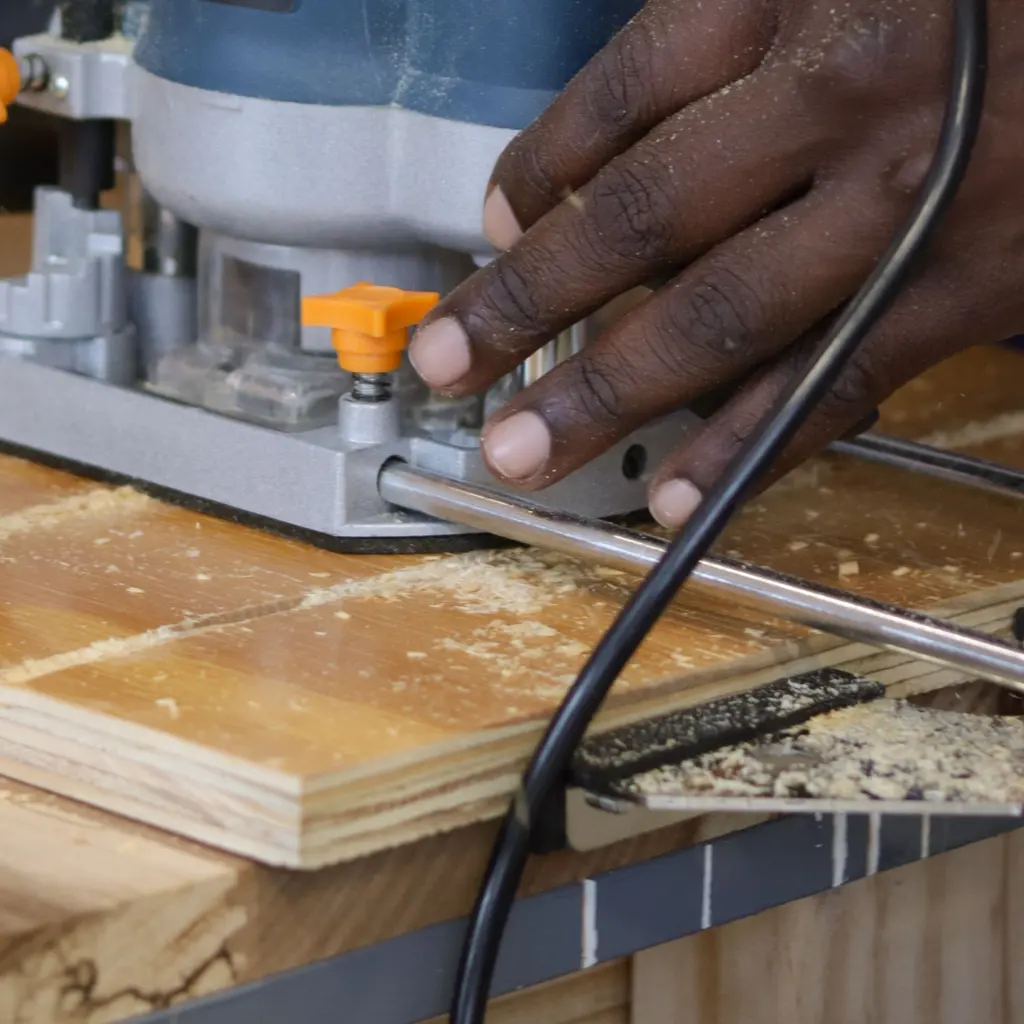
Your shop creates fine woodwork using flammable finishes and combustible dust, where a fire could destroy your inventory and high-value CNC equipment. Field installation at customer sites also exposes you to liability for damage to a client's building.
The Southern Agency can review your fabrication and installation processes to help you select appropriate insurance. We can discuss coverage for your delicate casework while it is in transit or being installed in a project space.
Combustible wood dust and flammable stains, lacquers, and solvents make fire one of the most serious property hazards in a millwork shop.
Saws, shapers, routers, and sanders expose woodworkers to amputation and laceration hazards on the shop floor.
Delivering and installing casework can damage a customer's newly finished space or injure others working on the construction site.
Delicate, high-value cabinetry and paneling can be scratched, broken, or damaged in transit to the job site.
Portable saws, routers, and installation tools moved to job sites can be lost, stolen, or damaged off premises.
Millwork built to the wrong dimension or that fails to meet the drawings can require costly rework or replacement on a project.
General contractors often require specific limits, additional-insured status, and sometimes builders-risk participation on projects.
Policies to ask about. Which ones fit depends on your operations, your contracts, and the carrier’s forms.
These hypothetical examples are not agency claim results. Whether a loss is covered depends on the facts, policy terms, and applicable exclusions.
A fire starts in the spray-finishing area and damages the shop and pending casework. Property coverage may help with repairs and inventory, depending on the policy and exclusions. Check the covered fire cause, ownership and valuation of stock and work in progress, and purchased income protection. The commission's contract price and the full cost of redoing the work are not automatically insured amounts.
Installers scratch newly finished flooring while setting cabinetry at a job site. General liability may respond, depending on the policy and facts. Check the installation duties included, whether the floor was property being worked on, any other damage, and own-work or custody exclusions.
Custom paneling is broken in transit to a project. Inland marine coverage may help replace the millwork, subject to the policy and limits. Check whose panels are insured, the handling, packing or transit cause, carrier responsibilities, and valuation. Delicate-work damage and the full project price are not automatically covered.
Start with the work you do and the questions your current policies leave unanswered. Carrier options depend on your location, risk, and underwriting. Explore our approach.
Combustible wood dust and flammable finishes are property hazards. Property coverage and fire protection measures are often considered, and terms depend on underwriting.
If you deliver and install, general liability with completed-operations may respond to jobsite injury or property damage, subject to policy terms and underwriting.
Inland marine coverage may help protect tools in transit and on site against theft or damage, depending on the specific policy and limits.
Read the actual owner, general-contractor or project policy for covered participants and millwork interests, transit, staging, and installation. Check occupancy, acceptance and end dates and deductibles. Construction status or a contract alone does not insure every commission, faulty-work correction, delay, or final project value.
Inland marine coverage may help with damage to delicate millwork in transit, depending on the specific policy and limits.
Bring the contractor's limits, indemnity, additional-insured, and builders' risk or installation requests. Compare them with the duties included and issued endorsements. Contracts, certificates, and drawings do not guarantee matching availability or project-property acceptance, or insure every assumed obligation.
Bring your questions, current policies, and relevant contracts. An agent can review coverage terms, exclusions, and the information carriers ask for, then explain the options available to you.