

Damage to customers' garments
Mis-cuts, stains, pressing burns, or ruined alterations to a customer's suit or gown can lead to costly claims and replacement demands.
Try a different word, or check the spelling.
Your customer needs the altered gown or suit for a particular date, not simply whenever a replacement is ready. Garment-custody protection deserves attention beyond shop contents, while sentimental value and event costs are not automatic benefits.
The Southern Agency can help you protect your shop’s equipment, cash, and the valuable garments entrusted to you by your clients.
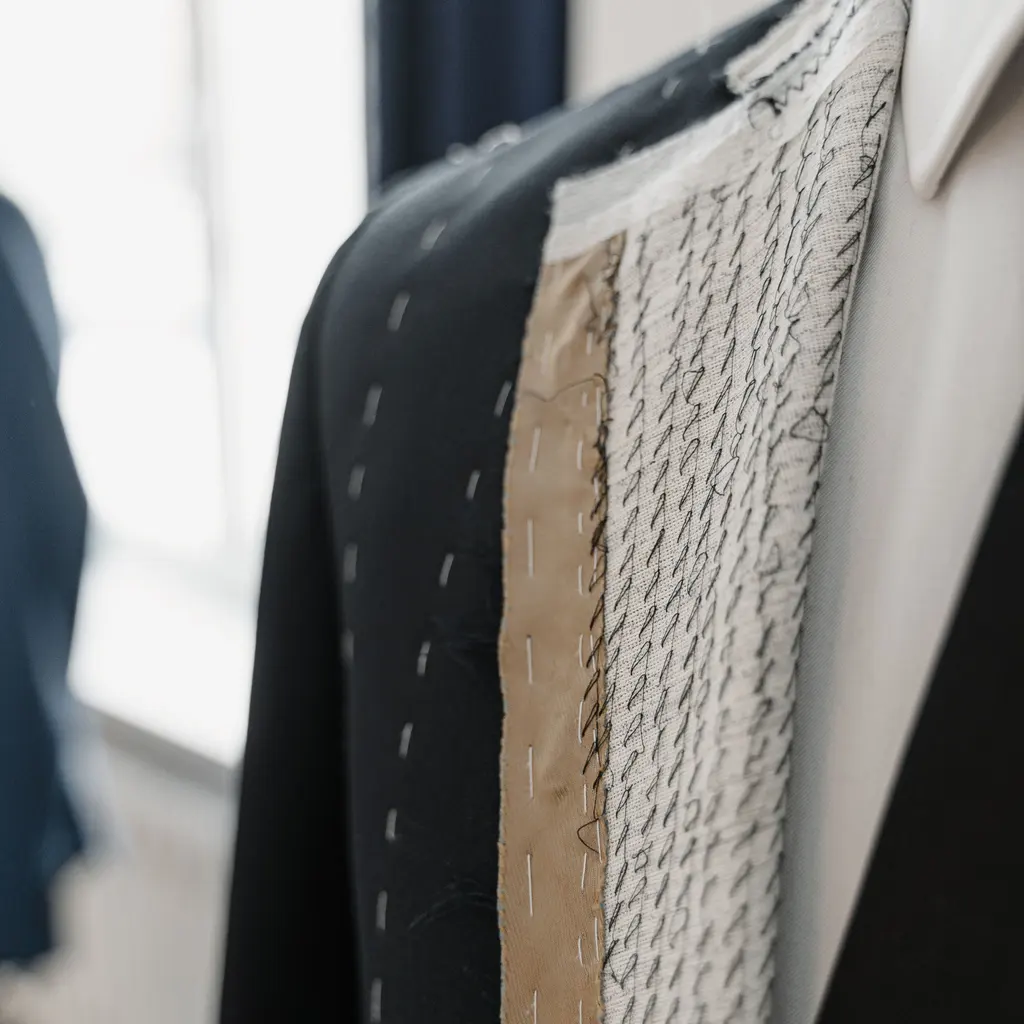
You take custody of suits and gowns for fitting and alterations, sometimes close to an important event. Damage or loss can bring replacement demands, while visiting clients and essential sewing or pressing equipment create different injury and property exposures.
The Southern Agency can review your shop operations, including your bailee responsibilities, to help you select appropriate insurance. For instance, we can discuss how inland marine coverage can help protect customer garments and how a business owner's policy might cover your shop equipment.
Mis-cuts, stains, pressing burns, or ruined alterations to a customer's suit or gown can lead to costly claims and replacement demands.
Racks of customer clothing awaiting pickup can be destroyed by fire or water or stolen, creating bailee liability beyond the shop's own property.
Wedding gowns and formalwear tied to specific dates raise the stakes of any damage, delay, or loss before the event.
Clients visiting for measurements and try-ons can trip, slip, or be injured by pins and equipment in the shop.
Sewing machines, sergers, and pressing equipment are essential, and a breakdown can stall work against firm deadlines.
Counter transactions and stored payment information create theft and cyber exposure for the shop.
Policies to ask about. Which ones fit depends on your operations, your contracts, and the carrier’s forms.
These hypothetical examples are not agency claim results. Whether a loss is covered depends on the facts, policy terms, and applicable exclusions.
A gown is damaged during alteration shortly before the wedding and must be replaced. Coverage for customer property in your care may respond, depending on the policy and facts. Check ownership, the alteration or processing cause, workmanship provisions and direct-goods versus legal-liability terms, valuation and limits. Replacement demands do not insure every gown, sentimental or wedding cost.
Several customer suits awaiting pickup are stolen overnight. Bailee or property terms may respond, subject to the policy, endorsements, and exclusions. Check the suits' owners, theft evidence, and security, covered causes, valuation and peak limits. Client garments need terms separate from the shop's own stock.
A client is injured stepping on or off a fitting platform. General liability may respond to medical and liability costs, depending on the policy and circumstances. Review the actual injury and fitting or premises duties included. Damage to a garment and correcting an alteration are separate questions.
Start with the work you do and the questions your current policies leave unanswered. Carrier options depend on your location, risk, and underwriting. Explore our approach.
Custody can create responsibility, but the facts, contract and law matter. Check whether proposed cover protects client goods directly or requires legal liability. Review alteration, pressing, and workmanship provisions, covered causes, valuation and limits. A miscut, stain or replacement demand alone does not insure every garment, fee, sentimental or event expense.
Coverage for customers' property in your care may respond to theft or fire affecting garments awaiting pickup, depending on the specific policy and exclusions.
Peak formalwear and wedding work raises the value of garments you hold, so reviewing bailee limits seasonally is wise. The right amount depends on your volume and underwriting.
General liability commonly responds to client injuries in the shop, such as slips or trips during fittings, subject to policy terms and underwriting.
Read the lease's limits, additional-insured, property, and indemnity requests and compare included shop duties and issued endorsements. A certificate or lease does not change cover, prove availability, or insure all client garments and alteration remedies.
Requirements vary by state, but coverage is commonly needed for employees facing needle injuries, cuts, and pressing burns, subject to local rules and policy terms.
Bring your questions, current policies, and relevant contracts. An agent can review coverage terms, exclusions, and the information carriers ask for, then explain the options available to you.