

High-value inventory accumulation
Fabric, work-in-process, and finished garments build up to large, fluctuating values that are vulnerable to fire, water, and theft.
Try a different word, or check the spelling.
Your seasonal stock can build up before dispatch and move through a finisher or warehouse that does not own it. Insuring that stock is a different question from the contractor's liability or a buyer's chargeback for poor seams.
The Southern Agency can help you review peak stock, contractor custody and production dependencies against actual property, transit and selected income terms.
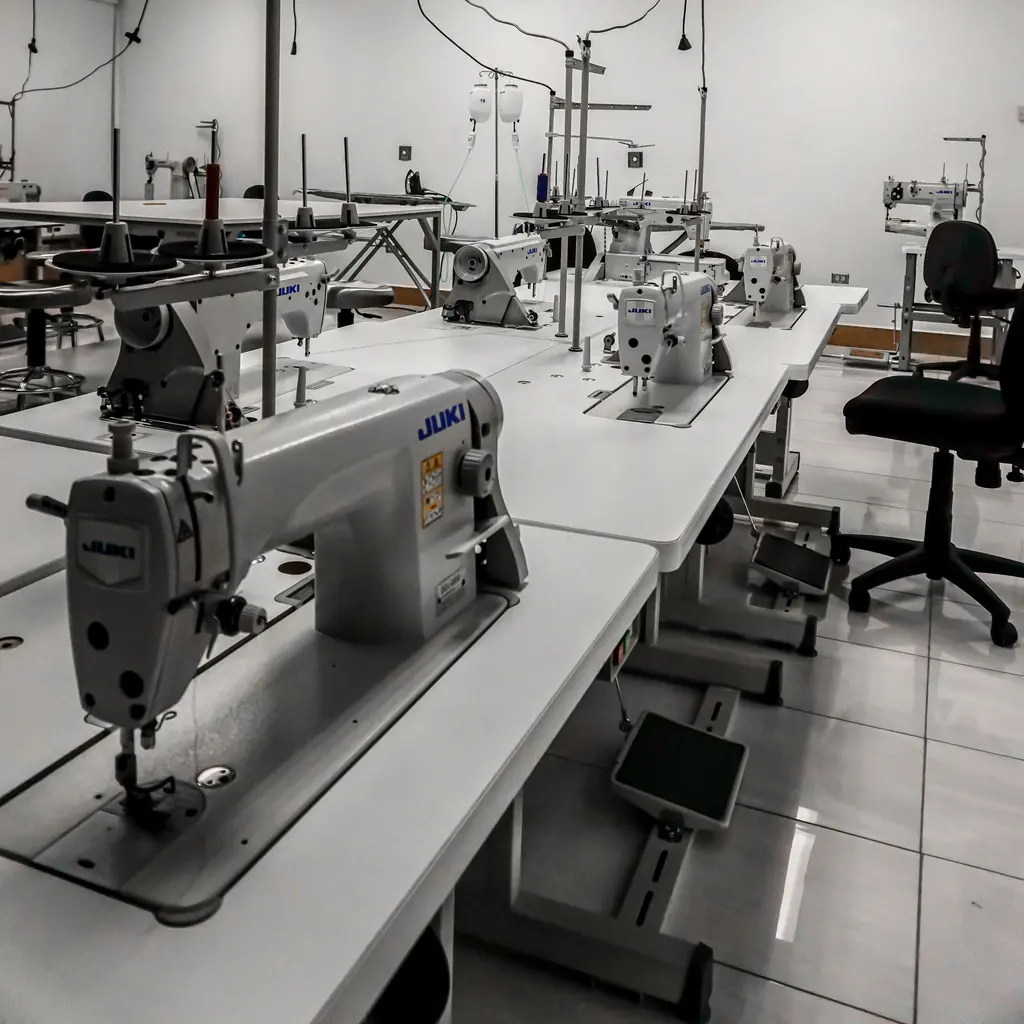
You sew and finish garments for various brands, dealing with seasonal inventory and high-volume production. Your stock frequently moves between your plant and outside contractors, creating complex transit and ownership exposures.
The Southern Agency can review your inventory handoffs, machine dependencies, and shipping contracts to help you select appropriate insurance. For example, we can clarify that while your machinery breakdown coverage helps after a sudden failure, it does not compensate for lost business due to routine needle maintenance or poor seam quality.
Fabric, work-in-process, and finished garments build up to large, fluctuating values that are vulnerable to fire, water, and theft.
Cutting, sewing, and pressing equipment is central to output, and a breakdown can halt a line and jeopardize seasonal deadlines.
Apparel moving to finishers, warehouses, or carriers can be lost or damaged while off the factory premises.
Seam failures, mislabeled fiber content, or defective garments can lead to claims and chargebacks from buyers.
Operators face needle sticks, cuts, burns from pressing, and repetitive-strain injuries across long production shifts.
A fire or flood can stop production entirely, costing revenue and threatening relationships with deadline-driven customers.
Policies to ask about. Which ones fit depends on your operations, your contracts, and the carrier’s forms.
These hypothetical examples are not agency claim results. Whether a loss is covered depends on the facts, policy terms, and applicable exclusions.
A steam pressing system fails mid-run and stalls a finishing line ahead of a ship date. Equipment breakdown and business income may help with repairs and lost output, depending on the policy. Check the covered internal steam or press failure and stock and income protection purchased, including waiting and restoration periods. Missed seasonal dates and customer penalties need separate review.
A truckload of finished apparel is damaged en route to a distribution center. Inland marine may respond, subject to the policy, endorsements, and exclusions. Identify the goods owner and risk of loss, carrier, route, and location, then check the covered cause, valuation, and limits. A shipment or contractor schedule alone does not show that every loss is insured.
A buyer alleges a production run has failing seams and pursues damages. Establish whether any injury or damage to other property resulted, then review the apparel and design duties included and own-product, own-work, impaired-property, and contract exclusions. Faulty garments, chargebacks, refunds, and rework alone are not proof of insured product liability.
Start with the work you do and the questions your current policies leave unanswered. Carrier options depend on your location, risk, and underwriting. Explore our approach.
Property limits should reflect peak values, and some policies offer reporting forms or peak-season endorsements. The right approach depends on your cycle and underwriting.
Identify the goods owner, contractor or finisher location, processing stage, and transit or storage handoffs. Check purchased stock, entrusted-property, or bailee terms, including processing and workmanship exclusions, covered causes and limits. Your owned-stock protection or a carrier's liability alone does not insure every contractor loss or rejected garment.
Equipment breakdown coverage may respond to repair costs, and business income coverage may help with lost production, subject to policy terms and waiting periods.
Describe the garments, wearer ages, trims, design, and labeling duties when reviewing injury or damage-to-other-property allegations. Check the products included and own-product, own-work, impaired-property, design, contract, and recall terms. Seam or label errors and buyer chargebacks alone do not assure defense, refunds, or replacement.
Bring buyer and landlord requests for limits, indemnity, additional-insured status, locations, and products. Compare the duties included and issued endorsements. A purchase order, request or certificate neither assures matching availability nor insures every penalty or indemnity.
It is commonly required for operators facing cuts, needle injuries, and repetitive strain, with terms varying by state and your classification and payroll.
Bring your questions, current policies, and relevant contracts. An agent can review coverage terms, exclusions, and the information carriers ask for, then explain the options available to you.