

Product defects causing injury or fire
An appliance that overheats, shorts or fails in a home can cause burns, shocks or fire. The resulting injury or damage to the home differs from the failed unit itself.
Try a different word, or check the spelling.
Your purchased component can appear in several appliance models and batches. Product protection should reflect that shared responsibility, while notification, retrieval, unit repair, and injury claims remain different costs rather than one assumed recall benefit.
The Southern Agency can help you trace supplier components and finished stock to identify appropriate insurance for your assembly and distribution operations.
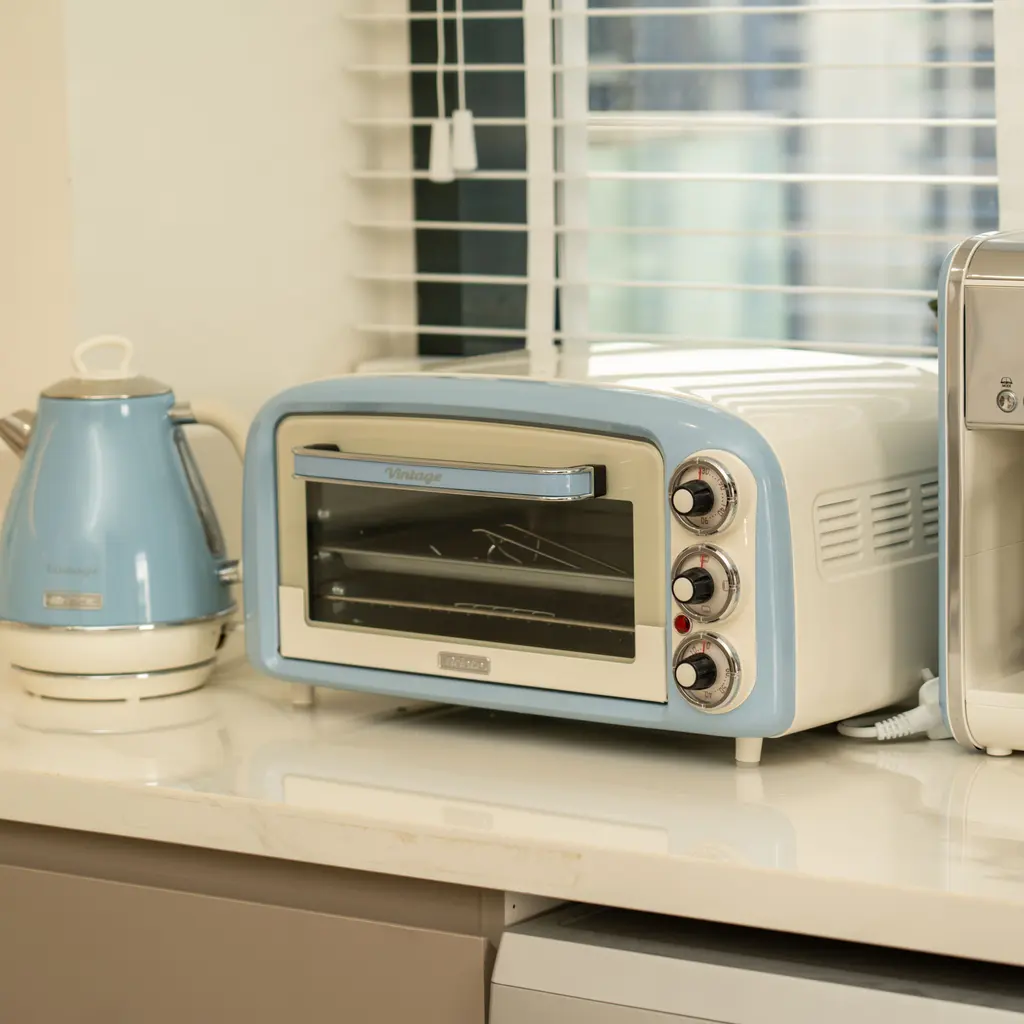
You design and assemble appliances, creating products like toasters and blenders. Electrical or heating failures in your units can result in burns, shock, or fires for consumers, while production and storage operations face machinery risks and stock loss.
The Southern Agency can help you review your production, testing, and component sourcing to select appropriate insurance. We can discuss how to separate liability for consumer injuries from the costs of repairing your own products or conducting batch notifications, as well as protecting your factory assets and staff.
An appliance that overheats, shorts or fails in a home can cause burns, shocks or fire. The resulting injury or damage to the home differs from the failed unit itself.
A safety issue affecting a production run can prompt notification and retrieval of units. Recall response, repair or replacement, refunds, and lost sales are different expenses; a routine quality return need not be an insured recall.
A shared design or purchased component can affect several batches or models. Supplier records and design and testing responsibilities help distinguish resulting harm from correcting the affected products.
Fire can damage assembly lines, testing gear, components, and finished goods. Internal machinery failure, faulty processing, and ordinary wear need different cause-of-loss treatment.
Finished appliances can be damaged, lost or stolen between the plant, warehouses, and retail buyers. Ownership, carrier responsibility, locations, and acceptance stages determine which direct-goods interests need insuring.
Repetitive assembly, machinery, and material handling expose workers to injury during production and packaging.
Policies to ask about. Which ones fit depends on your operations, your contracts, and the carrier’s forms.
Ready to compare options?
Get a quote for Small Kitchen Appliance Manufacturer Or call 1-800-777-1TSAThese hypothetical examples are not agency claim results. Whether a loss is covered depends on the facts, policy terms, and applicable exclusions.
A consumer alleges a coffee maker overheated and caused a kitchen fire. Product liability may respond to defense and covered liability for the alleged home fire damage. Repairing or refunding the coffee maker and withdrawing other units are different expenses from the kitchen damage claimed.
A faulty heating element is found across a batch of appliances, prompting a recall and costs to notify buyers and retrieve units. Purchased consumer-goods recall cover may pay eligible response expenses if the fault meets its insured-event trigger, even before anyone is hurt. Unit replacement, refunds and lost sales depend on the expense grants purchased.
An electrical fault sparks a fire at the plant, damaging assembly lines and finished inventory. Commercial property may pay covered repair and replacement according to insured owners, values, and causes. Any internal-failure claim and purchased income benefit need their own terms; delayed orders do not establish payment of their full sales value.
Start with the work you do and the questions your current policies leave unanswered. Carrier options depend on your location, risk, and underwriting. Explore our approach.
A toaster, blender, coffee maker or air fryer is used around people and property at home. An electrical, heat or mechanical fault can lead to a burn, shock, or fire claim. Product liability may address covered injury or home damage and defense; the unit’s warranty and recall expenses involve different terms.
Ordinary product liability does not by itself pay the costs of withdrawing suspect appliances. Purchased consumer-goods recall cover may address specified response costs under its insured-event definition. Notification and retrieval, unit replacement, or refunds and lost sales need separate attention; routine returns or a retailer demand alone do not establish an insured recall.
Yes. A purchased heater, control or other part can be alleged to cause harm through your finished unit, so identify the supplier, affected models and design and testing duties. Supplier indemnity and insurance requests do not automatically remove your liability or reimburse unit rework, warranty and recall costs.
The answer depends on whose goods and which transit or storage interests are insured. Identify component and finished-unit values, carrier responsibility, packing, routes, warehouse locations, and title and acceptance terms. A carrier’s liability limit may not equal the full stock value, and plant contents cover does not establish every off-site interest.
A covered internal mechanical or electrical failure may bring equipment repair and purchased income benefits. The assembly or test machine, cause, wear exclusions, waiting period, and restoration time matter. Rejected appliances, a supplier delay or buyer penalty are different issues from that covered breakdown.
The quote information includes product types and volume, design versus assembly duties, and sales channels and territories. Plant and equipment values, fire protection, production and warehouse staffing, testing, quality controls, and recall history also matter. Traceability and prior losses help explain the exposure; output alone does not establish a premium or required limit.
Bring your questions, current policies, and relevant contracts. An agent can review coverage terms, exclusions, and the information carriers ask for, then explain the options available to you.