

Large-scale product recall
Even a low defect rate across mass-produced appliances can trigger a nationwide recall with high notification, repair, and replacement costs.
Try a different word, or check the spelling.
Your warranty team may be asked to repair an appliance while a household also claims damage to floors or furnishings. Those are different costs: product liability, own-unit repair, and any recall benefit need distinct terms.
The Southern Agency can help you manage assembly-line hazards, refrigerant handling, and product-liability considerations.
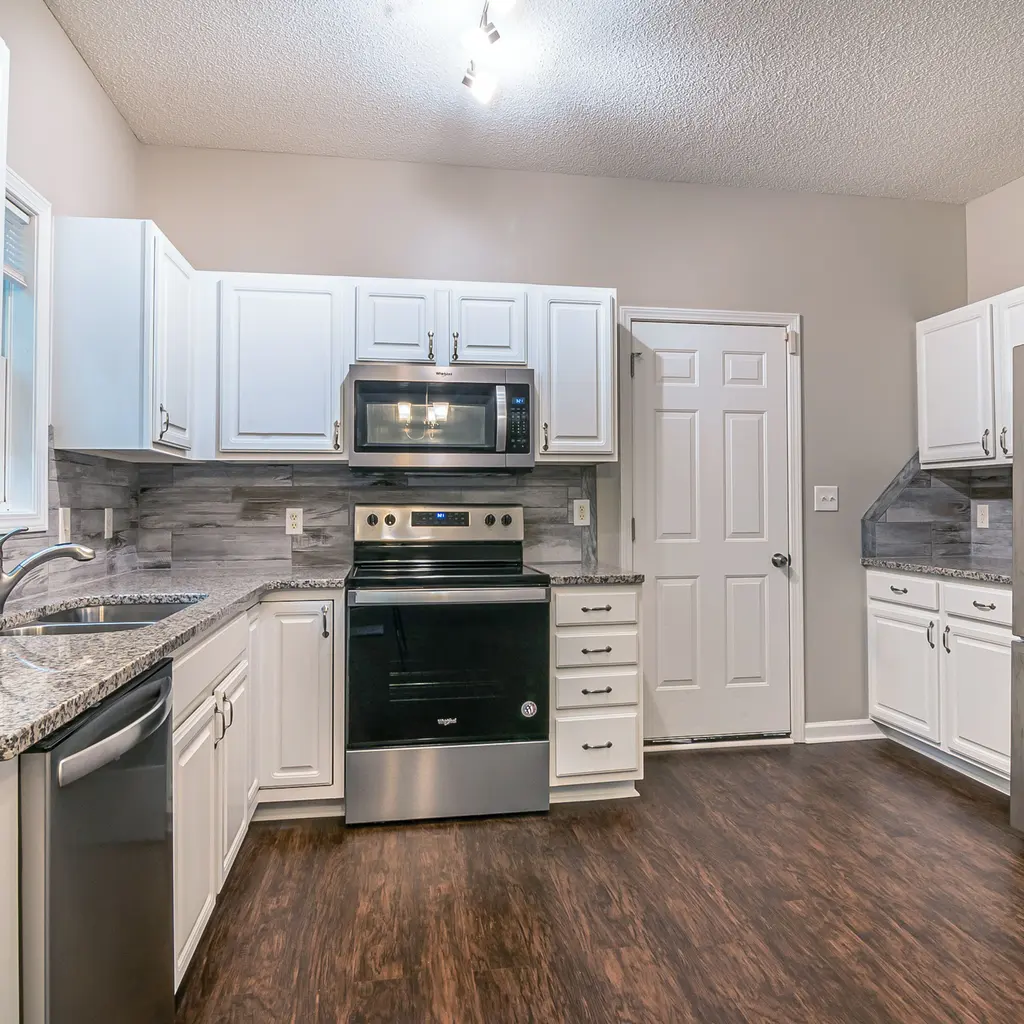
You operate assembly lines for appliances like refrigerators and ranges, which combine metal, plastic, electrical, and refrigerant systems. These products enter homes, meaning defects can lead to significant fire or flooding claims.
The Southern Agency can review your assembly and testing environment to help you select appropriate insurance. For example, we can help you differentiate between recall expenses for a product line and liability for a specific household injury.
Even a low defect rate across mass-produced appliances can trigger a nationwide recall with high notification, repair, and replacement costs.
A defective control board, heating element, or wiring can cause an appliance to overheat or ignite in a customer's home.
A failed hose, valve, or seal in a washer or dishwasher can flood a home, generating widespread property-damage claims.
Defective gas valves or improper grounding in ranges and dryers can create leak, fire, or shock exposure for users.
Presses, conveyors, robotics, and material handling on high-volume lines create caught-in and struck-by hazards for workers.
Refrigerant charging and enamel or paint lines create environmental release and worker-exposure risk if mishandled.
High-throughput assembly equipment is production-critical, and a breakdown can idle output and strand work in process.
Policies to ask about. Which ones fit depends on your operations, your contracts, and the carrier’s forms.
These hypothetical examples are not agency claim results. Whether a loss is covered depends on the facts, policy terms, and applicable exclusions.
A buyer alleges a defective hose caused a washer to flood and damage their home. Product liability may respond to defense and damages, depending on policy terms and the facts of the claim.
An overheating control board is identified across an appliance line and prompts a nationwide recall. Establish affected units and the expenses sought, then check the recall terms, if purchased, including trigger, notification, field work, consent, and limits. Liability for injury or damage to a home is a separate question from repairing or replacing appliances.
A refrigerant release at the charging station requires reporting and cleanup. Environmental coverage may help with response costs, depending on the specific policy, endorsements, and exclusions.
Start with the work you do and the questions your current policies leave unanswered. Carrier options depend on your location, risk, and underwriting. Explore our approach.
Trace a safety issue through the affected units and distributors, rather than annual output alone. Compare recall triggers, expenses, consent, and limits separately from injury liability and warranty costs. Distribution scale does not establish either a nationwide recall or payment.
A hose, valve, heater or control defect may be alleged to injure users or damage their homes. Check the appliance and use insured, cause and exclusions. Repairing the appliance, refunding its price, and withdrawing suspect units are separate expenses.
Describe charging and finishing substances, sites, release history, and waste routes. Compare cleanup and third-party terms and reporting conditions. Ordinary recharge, treatment, compliance upgrades, and fines are not necessarily insured pollution losses.
Bring installed-unit numbers, channels, territories, traceability, and claims. Compare product aggregates and related-loss terms separately from recall limits. Sales volume informs the discussion but does not set a mandatory limit or guarantee terms.
Identify covered internal failure and the repair and restart period, then the income and stock extensions purchased. A quality hold, wear or buyer delay penalty alone does not establish insured interruption.
Compare the appliances and underlying injury or property liability covered, attachment and exclusions. Excess provides additional limits as written; it does not by itself pay recall, appliance replacement, plant loss, or refrigerant cleanup.
Bring your questions, current policies, and relevant contracts. An agent can review coverage terms, exclusions, and the information carriers ask for, then explain the options available to you.