Skip to content

Tent And Tarpaulin Maker Insurance

Your responsibility can continue past sewing and delivery if you also rent or erect the tent. Product, venue and off-site property protection should identify setup, anchoring, and dismantling duties, without treating the rented tent as ordinary shop inventory.

The Southern Agency can help you align your insurance with the specific risks of your tent-making and event-setup operations.

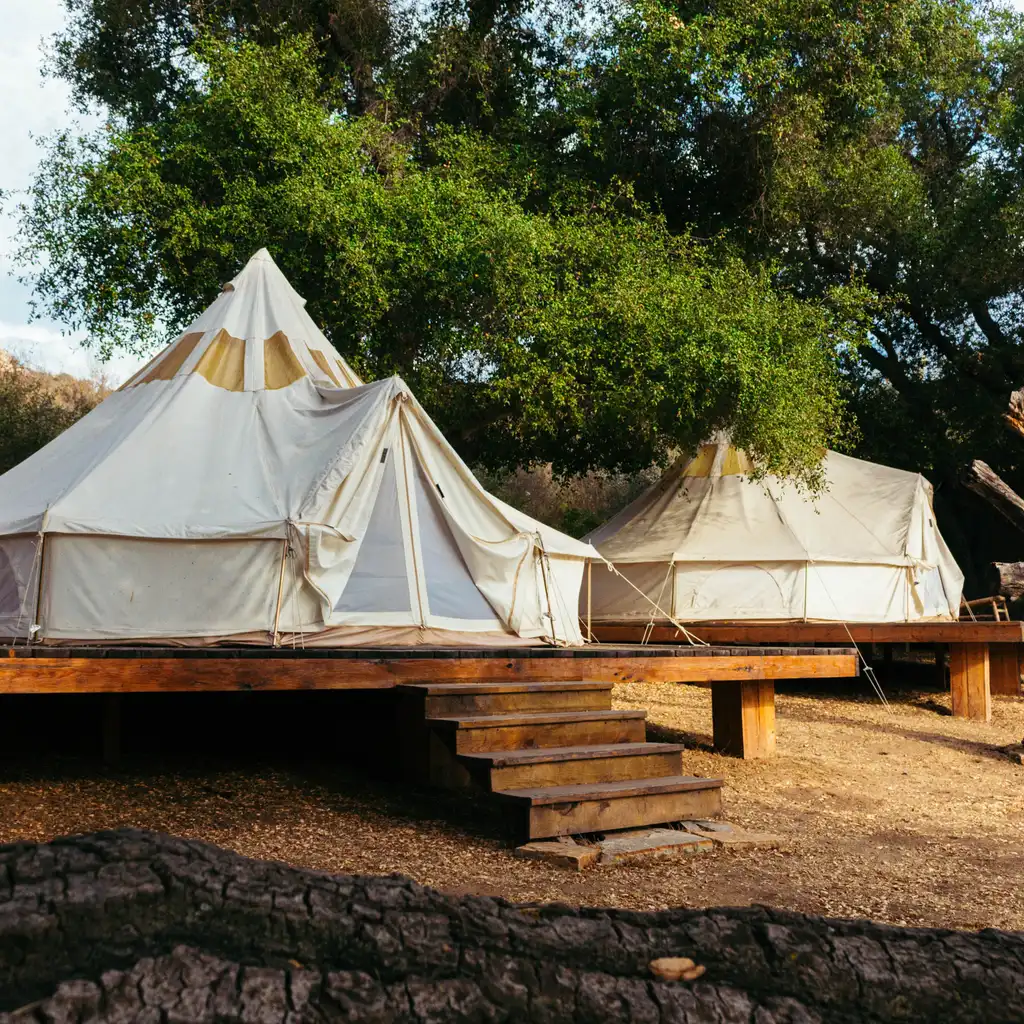
Canvas bell tents standing on raised wooden platforms.

Industry overview

You cut and assemble heavy fabrics into canopies, covers, and industrial tarps using large cutting tables, welders, and industrial sewing machines. Your work involves varying uses like sheltering people or protecting cargo, which means a failed seam or anchor can cause property damage or injury.

The Southern Agency can help you review your specific production, installation, and rental duties to select appropriate insurance. For example, we can help distinguish between a standard property claim for a shop fire and a complex liability claim resulting from a tent collapse at a public event.

Risks worth discussing

Structural product failure

Seams, grommets, hardware or a support system can be alleged to fail in wind or under load and injure guests or damage cargo. Product selection, stated use and any installation duties matter; replacing a weak or rejected tarp alone is a different loss.

Heat and RF welding fire

RF and heat-sealing equipment works near fabric rolls and coated materials. Have the fabric and coating fire properties assessed with the heating method, temperatures, and storage layout.

Heavy fabric stock losses

Rolls, work in process, and finished tents concentrate value in storage and seasonal shipping. Identify material and finished-product owners, covered fire or water causes and valuation; rental tents away from the plant are a separate property interest.

Cutting and sewing machine injuries

Cutters, sewing heads, and grommet presses create blade, needle, pinch, and crush hazards. Include heat-sealing and handling large fabric assemblies, and any field erection tasks actually performed.

Transit and delivery damage

Finished goods and installation tools can be damaged during loading, shipment, unloading, or site staging. Ownership and risk of loss may change before the tent is erected or the buyer accepts the tarps.

On-site installation liability

If the maker also erects or rents tents, anchoring, setup, use instructions, and dismantling add duties at the venue. Liability for an injured guest, damage to the maker’s tent and an employee’s lifting injury involve different protections.

Situations to think through

These hypothetical examples are not agency claim results. Whether a loss is covered depends on the facts, policy terms, and applicable exclusions.

  1. Hypothetical: Event tent collapse

    An event tent collapses in high wind and guests are injured. Product or operations liability may address covered defense and injury damages, depending on the alleged manufacturing or setup fault, insured activities, and policy terms. Identify who supplied and erected the tent; replacing the tent and cancelling the event are different expenses from the guests’ claims.

  2. Hypothetical: Welding-area fire

    A fire starts in the RF-welding area and spreads to fabric and finished stock, damaging the work area. Commercial property may address covered building, equipment, and stock loss according to insured ownership and values. The fire does not by itself establish internal-breakdown benefits, and any production-income protection needs its purchased trigger and time terms.

  3. Hypothetical: Tarps lost in transit

    A shipment of industrial tarps is damaged en route to the buyer. Goods-in-transit protection may address eligible physical loss if the owner, route, carrier, cause, and values fit the form. Carrier liability is a different basis of recovery; the buyer’s deadline penalties are separate from the covered value of the tarps.

Before you talk to an agent

What to have ready

Tick items as you gather them. Nothing here is saved or sent.

Questions to raise

  • Describe public-event tents separately from cargo and equipment covers, including represented wind, weather, and load uses. Compare resulting injury or damage with seam correction, replacement, and refund demands.
  • Allocate fabric and hardware selection, assembly, anchoring, and setup duties. If you rent or erect, identify who controls the site, gives use instructions, and takes the tent down.
  • Value coated fabric, work in process, and finished goods by owner and peak season. Keep new stock for sale and rental-fleet tents apart, especially goods erected away from the plant.
  • Follow each shipment through loading, carrier handoff, staging, and acceptance, then check any subsequent erection, on-hire, and return stages. Direct goods protection differs from a carrier’s or installer’s liability.
  • Assess actual welding materials and ignition controls and estimate welder, sewing-line, or compressor repair and restart time. Use guest or cargo loss scenarios and written customer requests to discuss limits without assuming a standard limit or guaranteed seasonal output.

Contract terms to check

  • Allocate responsibility for fabric, seams, hardware, support-system selection, product instructions, and setup or anchoring. Describe any separate engineering or specification advice. A proposed professional policy must fit those services; product, injury and property exclusions may leave a manufactured-tent claim outside its scope. Check prior acts and reporting if the form is claims-made.
  • Record who owns and bears loss of new goods, customer material, and rental tents through transport, staging, erection, the event and dismantling. Compare the insured property and stages with any installer, carrier or renter responsibility; a certificate does not turn liability cover into direct protection for your fleet.
  • Compare buyer, venue, and lessor limits, additional-insured requests, and indemnities with issued endorsements and insured activities. Replacement, repair, withdrawal, rental refunds, event cancellation, and delivery penalties require their own terms. A contract or a higher liability limit does not supply every requested benefit or product-performance guarantee.

What the agent conversation looks like

Start with the work you do and the questions your current policies leave unanswered. Carrier options depend on your location, risk, and underwriting. Explore our approach.

  1. ListenReview your operations, current coverage, and past claims.
  2. AssessIdentify potential hazards and discuss ways to reduce risk.
  3. BuildDiscuss policy and carrier options, premium costs, and audits.
  4. SupportReview changes and help you plan ahead as your needs develop.

Questions owners ask

Why is product liability emphasized for tent makers?

A tent collapse or tarp failure can injure people or damage the property protected. Describe the public-event, cargo or other use, stated wind and load limits and who selected and assembled the components. Review covered injury and damage separately from replacing your tent, repairing seams, refunding a buyer or withdrawing other goods.

Are we covered if we also set up tents at events?

Manufacturing-only wording does not establish erection or rental protection. Disclose anchoring, setup, site supervision, use instructions, and dismantling, including subcontracted work, and compare actual operations and completed-work terms. Guest injury, the part of the site being worked on, and damage to your own rental tent are different coverage questions.

Does insurance address fire from our welding operations?

Commercial property may address a covered fire that damages insured equipment or stock, including a fire starting near RF or heat-sealing work. Describe the actual fabrics, coatings, temperatures, and storage and have controls assessed. A weld defect or incorrect setting is not itself a fire claim; income and internal breakdown have separate triggers.

Can we insure tents and tarps while they ship?

Identify the owner, values, loading, and unloading responsibilities, carrier, and acceptance point. Check transit and staging terms and any subsequent erection, on-hire or return protection. Insuring the delivery vehicle or buying ordinary cargo cover does not establish every tent or rental loss after arrival.

Is breakdown of our welders and sewing lines covered?

Eligible repair depends on an insured internal event affecting the welder, sewing machinery or compressor. Stock, income and extra expense depend on the extensions purchased and waiting and restoration terms. Wear, poor seam settings, rejected products or a missed seasonal event are separate from covered repair and interruption.

Do we need workers' compensation for the shop floor?

Check state law and employment arrangements for cutters, sewing, and sealing operators and any erection crews. Include blade, needle, heat, crush, handling, and field duties with payroll and work states. Qualifying employee benefits are separate from public injury liability or repairing the tent.

Talk through your tent and tarpaulin maker coverage

Bring your questions, current policies, and relevant contracts. An agent can review coverage terms, exclusions, and the information carriers ask for, then explain the options available to you.

How can we help you get started?

Choose the quote that fits, and we’ll take it from there.

Have a question? Contact us