

Load-bearing product failure
Rope and cordage sold for lifting, rigging, towing, or mooring can cause serious injury or property loss if it parts under load, driving significant product liability exposure.
Try a different word, or check the spelling.
Your cordage may be sold for lifting, mooring, towing, or a less demanding task. Product protection should match the intended use and stated strength, without treating a weak-coil replacement, late shipment, or rating dispute as an automatic liability payment.
The Southern Agency can help evaluate your factory's production and transit risks.
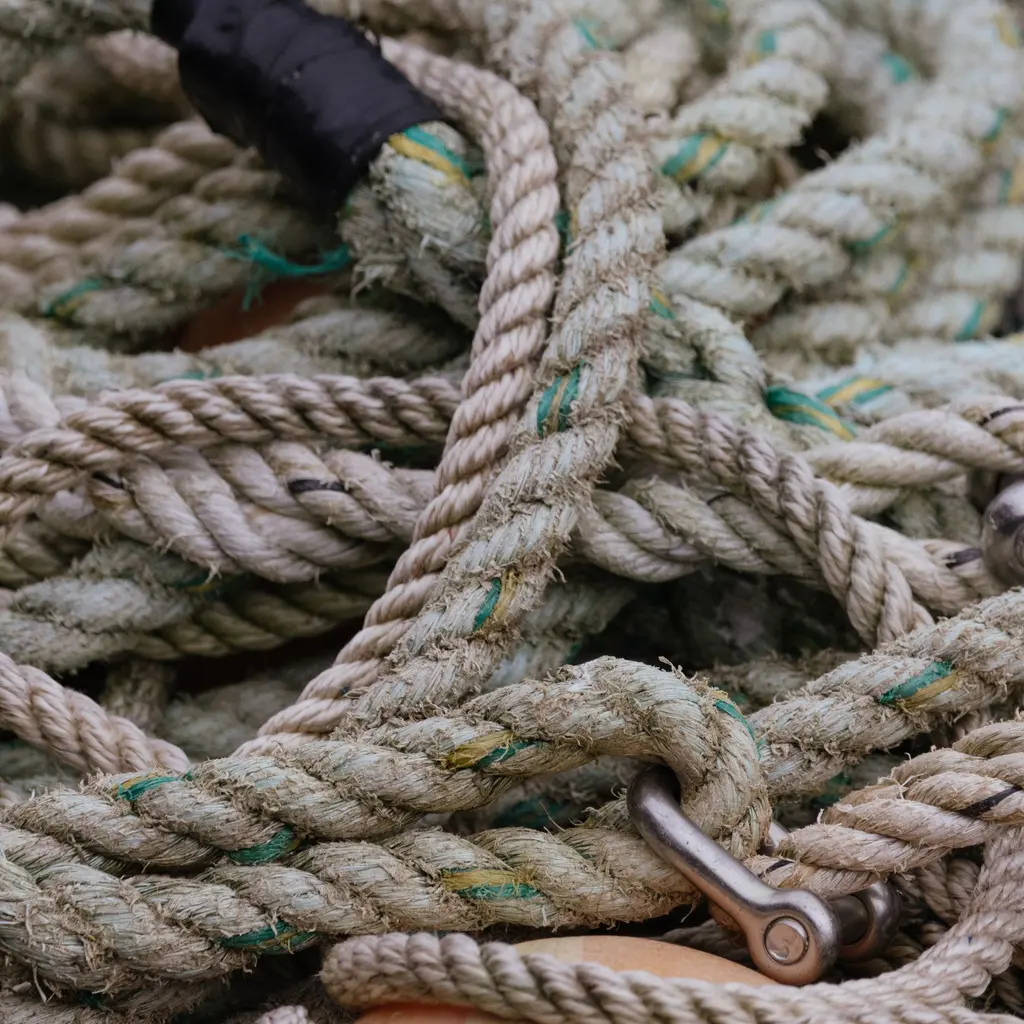
You twist, braid or wind natural and synthetic fibers into rope and twine. A rope that parts under load can injure someone or damage equipment, while a rejected coil may simply need replacing. Fiber storage fires and a failed braiding line can also leave your own production idle.
The Southern Agency can review your fiber stocks, machine dependencies, and product applications to help select appropriate insurance. For example, we can identify how coverage for a lift-failure injury is distinct from a claim regarding a shipment of twine that did not meet a customer's strength requirement.
Rope and cordage sold for lifting, rigging, towing, or mooring can cause serious injury or property loss if it parts under load, driving significant product liability exposure.
Heavy twisting frames, braiders, and winders create entanglement, pinch, and crush hazards for operators working near moving fiber and rotating parts.
Bulk natural and synthetic fiber plus stored coils form a substantial combustible load that a single ignition source can spread through the plant.
Failure of a primary twisting or braiding line can idle continuous production and delay contracted shipments to industrial and agricultural buyers.
Cordage supplied below stated breaking strength or with incorrect rating labels can lead to liability and contract claims from commercial customers.
Inbound fiber bales and outbound coils shipped nationally are exposed to loss while in transit between suppliers, the plant, and customers.
Policies to ask about. Which ones fit depends on your operations, your contracts, and the carrier’s forms.
These hypothetical examples are not agency claim results. Whether a loss is covered depends on the facts, policy terms, and applicable exclusions.
Rigging rope is alleged to have parted under its rated load and caused injury. Review the cordage, construction, test and intended-use records and product liability terms. Replacing the rope, recalling other coils and a contractual performance promise require separate consideration from the injury.
Stored fiber bales and finished coils ignite and fire spreads within the plant. Check the covered fire, insured machinery and stock ownership, peak values and any purchased income extension. Natural and synthetic materials and their storage need their own assessment.
The main braiding-line drive motor fails during a contracted run. Identify covered internal damage and the stock and income extensions purchased, including waiting and restoration terms. Worn machinery and penalties for a delayed shipment are separate from that review.
Start with the work you do and the questions your current policies leave unanswered. Carrier options depend on your location, risk, and underwriting. Explore our approach.
A rope used to lift, tow, support or moor can cause injury or other damage if it parts. Declare those uses separately from packaging or agricultural twine. A strength complaint alone does not establish insured harm or payment for your coils, refunds, withdrawal, or every contract loss.
Discuss end uses, plausible injury or property claims, customer limits, and risk tolerance with qualified advisers. Compare underlying and excess coverage, attachment and exclusions. Load-bearing use does not establish a quote, capacity or additional recall, professional or owned-stock benefits.
List fiber bales, work in process and finished coils by owner, location and peak value. Review covered causes, storage and valuation for the materials used. Check deterioration and quality-defect exclusions as well as stock limits.
Identify a covered internal frame, braider or motor event and any purchased stock and income extension. Match waiting and restoration terms to repair and restart. Wear, a defective rope run and deadline penalties are separate expenses.
Keep the lot, stated rating, intended use, test, and customer records. Determine whether a failure caused injury or damaged other property or whether the demand is for rejected coils, refunds, or lost use of undamaged equipment. Review product, impaired-property, professional, and contract restrictions and withdrawal expenses separately.
Identify stock ownership, route, carrier, loading stage, and value. Review direct goods protection and covered causes separately from the carrier’s liability. Rejected ratings, a late order and deterioration without an insured cause are different from covered cargo damage.
Bring your questions, current policies, and relevant contracts. An agent can review coverage terms, exclusions, and the information carriers ask for, then explain the options available to you.