

Cast and crew injuries on set
Rigging, lighting, elevated work, vehicles, stunts, and effects can injure cast or crew during a shoot.
Try a different word, or check the spelling.
Your location agreement, rented camera package and cast schedule create different responsibilities on the same shoot. Production liability, gear and worker protection should fit those arrangements, with location damage and any key-cast interruption reviewed separately from content claims.
The Southern Agency can review your shoot dates, location and rental duties, worker arrangements and film rights before comparing terms.
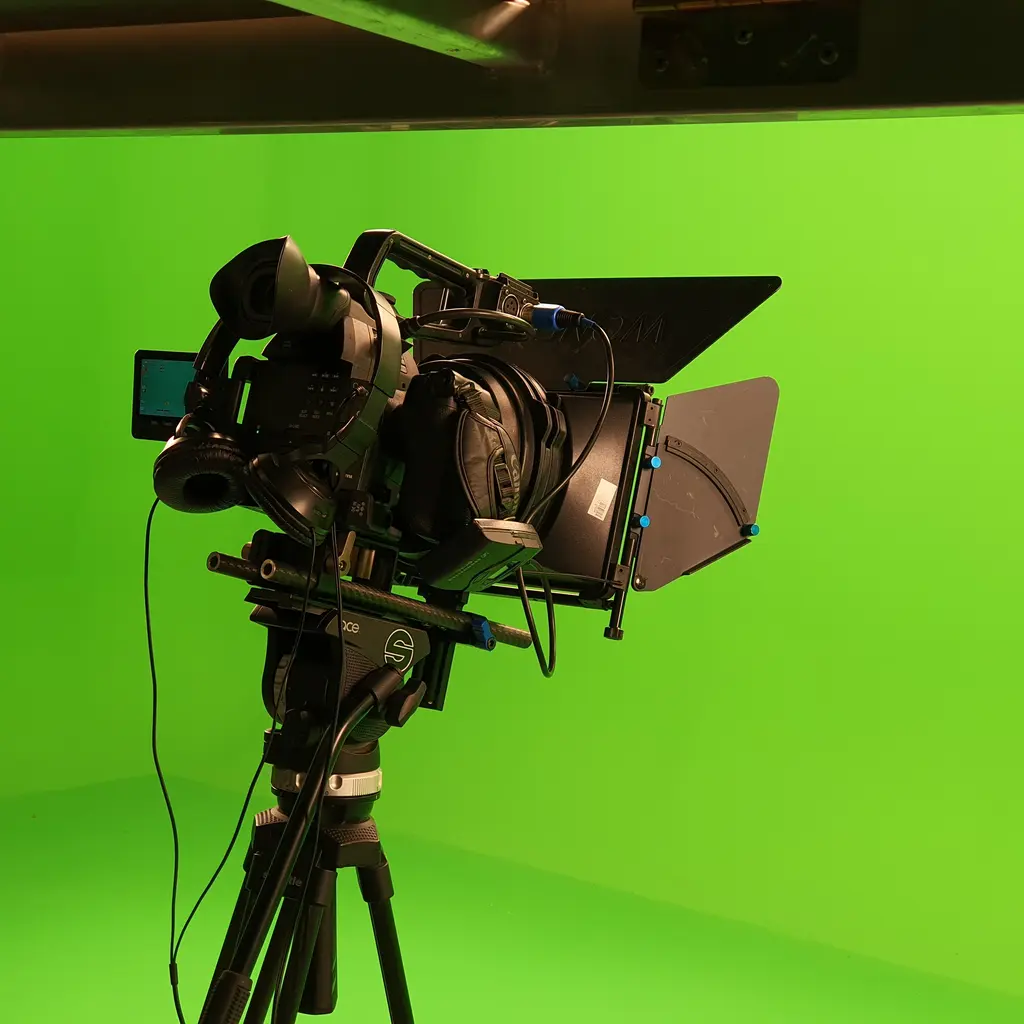
You coordinate film shoots that involve cast, crew, and rented production equipment. A crew member might sustain an injury during a set change, or the loss of rented cameras could disrupt your shooting schedule.
The Southern Agency can review your shoots, people, equipment and rights agreements with you. We can compare visitor liability with actual employee-injury arrangements, owned or rented gear through the shooting period and specialist media terms for the films you deliver.
Rigging, lighting, elevated work, vehicles, stunts, and effects can injure cast or crew during a shoot.
Camera, lighting and grip packages travel between stages and locations and can be damaged, lost or stolen.
A released film can prompt defamation, infringement or clearance claims about scripts, music, likenesses or trademarks.
The loss of a key cast member, set, prop, or location can stop the production schedule and add costs.
A shoot on rented property can lead to a claim for damage to the location or nearby property.
Vehicles moving cast, crew and equipment create crash and physical-damage exposure.
Policies to ask about. Which ones fit depends on your operations, your contracts, and the carrier’s forms.
These hypothetical examples are not agency claim results. Whether a loss is covered depends on the facts, policy terms, and applicable exclusions.
A crew member is hurt while moving a lighting rig on a stage. Workers’ compensation may pay eligible benefits for a covered work injury under the rules that apply to the production.
A rented camera package is stolen from a location overnight. Inland-marine coverage may help pay for eligible damage or theft if the rented gear, location and production period are included.
A third party alleges that a film used protected material without clearance. Media or professional-liability coverage may defend a covered claim and may pay eligible damages if liability is established; the content, rights and reporting terms matter.
Start with the work you do and the questions your current policies leave unanswered. Carrier options depend on your location, risk, and underwriting. Explore our approach.
The mix depends on the shoot. Studios commonly review premises liability, mobile gear, employee injuries, vehicles, and claims about the finished content.
Owned and rented gear may be covered if it is included and the locations, transit, and production period fit the policy. Check rented-equipment values and deductibles.
A media form may defend a covered claim about produced content and may pay eligible damages if liability is established. Confirm the film, rights, and timing terms.
Stunts and effects can change the risk review and policy terms. Describe them accurately; no activity is covered merely because it was disclosed.
Stage and location owners may request proof of insurance and specific terms. A certificate reports coverage; it does not change the issued policy.
Prepare budgets, locations, gear values, crew details, rights agreements, and loss history for an insurer’s review. The insurer determines whether it will offer terms.
Bring your questions, current policies, and relevant contracts. An agent can review coverage terms, exclusions, and the information carriers ask for, then explain the options available to you.