

Physical production
Rigging, electrical work, vehicles, or stunts can injure people.
Try a different word, or check the spelling.
A complaint about an episode can arrive after release. Review media E&O for the content you deliver, as well as protection for the crews and locations that change through a season.
The Southern Agency can review the season's locations and crew roles alongside equipment responsibilities and the content terms your buyer requests.
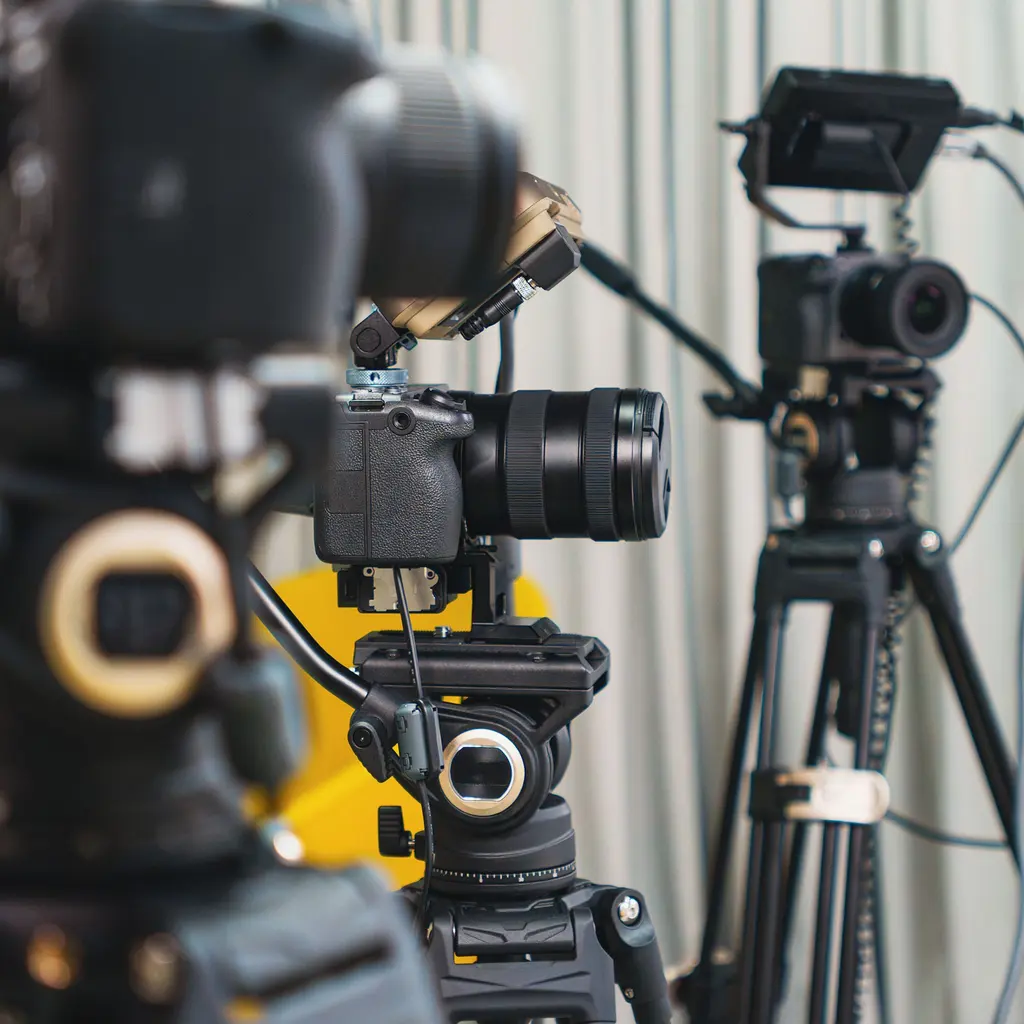
You organize and develop television episodes, often managing crews and equipment across multiple locations. A damaged camera can stop a shoot; a complaint about an episode can arrive after release.
The Southern Agency can review each production's dates and locations, crew arrangements and buyer requirements to help compare insurance. That review can separate on-set injury or equipment protection from media E&O for the episodes delivered.
Rigging, electrical work, vehicles, or stunts can injure people.
Episodes can generate privacy, infringement, or defamation allegations.
Gear can be damaged or stolen in transit or on location. A rental agreement may leave you responsible for a camera or lighting kit owned by someone else.
Loss of a person, footage, or location can disrupt delivery.
Contract labels do not alone determine employee injury treatment.
Policies to ask about. Which ones fit depends on your operations, your contracts, and the carrier’s forms.
These hypothetical examples are not agency claim results. Whether a loss is covered depends on the facts, policy terms, and applicable exclusions.
Hypothetical: a person featured in an episode alleges the edit falsely harmed their reputation after release. Media E&O may help with covered defense and damages if the content, producer, distribution and claim/reporting dates fit. Review releases, source material and clearance records with the actual exclusions; buyer acceptance or an appearance release does not itself resolve defamation or guarantee defense.
Hypothetical: a crew member hired for a location day injures a shoulder moving lighting gear. Workers compensation may provide covered medical and wage benefits if the actual employer, duties and jurisdiction fit. A freelancer label, location release or payroll-service contract does not decide injury entitlement; a suit against another production party raises separate liability questions.
Hypothetical: a rented camera kit is damaged when the production van crashes between shoots. Accepted equipment terms may help fund qualifying repair or replacement if the rental interest, value, transit and cause fit. Van damage and road-accident liability need auto terms; lost footage, reshoots and late delivery are not automatic consequences of a gear payment.
Start with the work you do and the questions your current policies leave unanswered. Carrier options depend on your location, risk, and underwriting. Explore our approach.
A buyer may request media E&O and production liability limits, insured parties or evidence for specified periods. Bring its actual schedule and compare it with proposed forms and issued endorsements. Network or streaming delivery does not establish one universal package, and a certificate does not add missing protection.
An episode can prompt privacy, infringement or defamation allegations after release. Accepted media E&O may help with covered defense and damages, but the producer, content, distribution and reporting terms must fit. Crew injury, damaged equipment and contractual delivery penalties are different losses.
Accepted equipment terms may help with covered transit or location loss. Confirm ownership or rental interests, values, locations, vehicle transport and security conditions under the actual blanket or item-specific arrangement. Gear payment does not establish footage restoration or the cost of reshooting an episode.
Workers compensation may provide medical and wage benefits for covered work injuries. Identify actual employers, crew duties, payroll arrangements and work jurisdictions rather than relying on a freelance label or certificate. A worker's benefits and liability alleged against another production party need separate review.
Ask about actual dates, activities, locations and entities rather than assuming a season or single episode is automatically eligible. Any production-specific offer still needs confirmation of worker, equipment and media terms, including reporting after release.
Bring your questions, current policies, and relevant contracts. An agent can review coverage terms, exclusions, and the information carriers ask for, then explain the options available to you.